Prioritizing AI Agents: Humans Step Aside
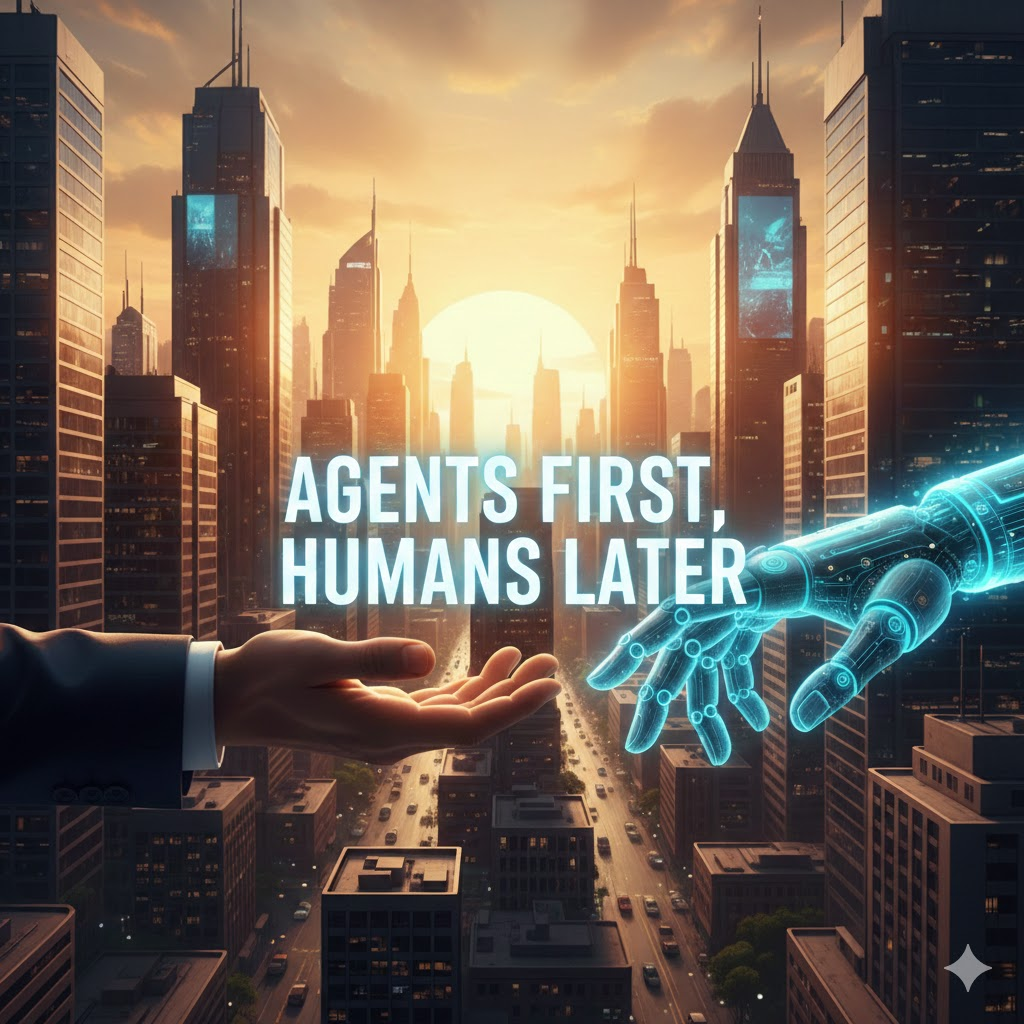
The modern workplace is undergoing a major AI-driven transformation. Artificial intelligence (AI) agents are no longer just support tools; they are becoming the core drivers of business operations. From customer service automation and data analytics to workflow optimization and predictive decision-making, AI agents are taking the lead, reshaping the roles humans play in organizations.
The term “Agents First, Humans Later” reflects a strategic shift where AI handles repetitive, time-consuming tasks, enabling humans to focus on creative problem-solving, strategic planning, and leadership—areas where human intelligence still outperforms machines. This AI-human collaboration is redefining the future of work.
Why AI Agents Are Leading the Workplace Revolution
AI agents are rapidly becoming indispensable because they provide capabilities beyond human limits:
-
24/7 Productivity and Automation – AI agents operate continuously, ensuring constant workflow efficiency without breaks or errors.
-
Advanced Data Processing & Analytics – They process massive datasets, delivering actionable business insights, trend analysis, and predictive modeling faster than human teams.
-
Accuracy and Reliability in Operations – AI ensures error-free task execution, process standardization, and operational consistency.
-
Scalability & Resource Optimization – AI agent development platforms allow businesses to scale operations rapidly, reducing dependency on manual labor while enhancing efficiency.
By leveraging AI-driven tools and intelligent automation, organizations can optimize performance, reduce costs, and improve operational efficiency while allowing humans to focus on strategic and innovative tasks.
Humans and AI: Building a Collaborative Ecosystem
Even in an agent-first environment, human expertise remains critical. This is a model of complementary collaboration, not replacement. Humans provide:
-
Strategic Planning & Vision: Defining goals, shaping AI-driven strategies, and steering organizational growth.
-
Ethical Oversight & Compliance: Ensuring AI decisions follow ethical standards, regulatory compliance, and fairness guidelines.
-
Emotional Intelligence & Customer Experience: Managing client interactions, team leadership, and negotiations, where empathy and human judgment are essential.
In this hybrid model, humans supervise AI agents, drive innovation, and ensure operational decisions are responsible and value-driven, while AI handles data-intensive, repetitive, and analytical tasks.
Industries at the Forefront of the Agent-First Shift
Several sectors are already leveraging AI agents to transform operations:
-
Customer Service & Support: AI chatbots and virtual assistants developed using AI agent builder platforms, provide instant query resolution, automated ticketing, and personalized customer experiences.
-
Finance & Banking: Predictive AI models help with fraud detection, risk assessment, and investment decision-making, improving accuracy and speed.
-
Healthcare & Diagnostics: AI assists doctors with medical imaging analysis, patient monitoring, and treatment recommendations, enhancing healthcare efficiency.
-
Supply Chain & Logistics: AI optimizes inventory management, route planning, and delivery operations, ensuring timely and cost-effective distribution.
These applications demonstrate how AI-powered automation is enhancing organizational agility, productivity, and customer satisfaction across multiple industries.
Challenges of an AI-First Approach
Adopting an agent-first strategy requires careful planning due to potential risks:
-
Workforce Transition & Reskilling: Preparing employees for AI supervision, strategic roles, and creative tasks.
-
Bias & Algorithmic Transparency: Ensuring AI systems are fair, explainable, and free from discriminatory bias.
-
Integration & Technology Alignment: Implementing AI requires system compatibility, IT infrastructure, and effective change management.
-
Data Security & Privacy Compliance: Protecting sensitive business and customer information while using AI tools.
Proactively addressing these challenges ensures AI adoption enhances efficiency without compromising trust, ethics, or business continuity.
Steps to Implement AI Agents Successfully
-
Start Small, Scale Smartly: Pilot AI-driven solutions before enterprise-wide implementation.
-
Upskill Human Teams: Train employees for AI supervision, creative problem-solving, and strategic decision-making.
-
Define AI Ethics & Governance: Establish guidelines for responsible AI use, monitoring, and decision accountability.
-
Leverage AI Insights for Business Growth: Use predictive analytics, process automation, and workflow optimization to inform strategic planning.
By combining AI automation with human intelligence, organizations can embrace an agent-first paradigm while maximizing efficiency, innovation, and employee engagement.
Looking Ahead: The Agent-First Future of Work
The workplace of tomorrow will be a hybrid ecosystem, where AI agents lead operational efficiency, scalability, and analytical tasks, and humans focus on strategic thinking, creativity, and emotional intelligence. Companies adopting this approach with tools like Rubikchat will gain a competitive edge with faster decision-making, improved customer experiences, and optimized workforce productivity.
The concept of “Agents First, Humans Later” is not a threat to human workers—it is a blueprint for smarter, collaborative, and future-ready organizations, where humans and AI complement each other to achieve unprecedented business outcomes.
