Notifications

9 minutes, 4 seconds
-69 Views 0 Comments 0 Likes 0 Reviews
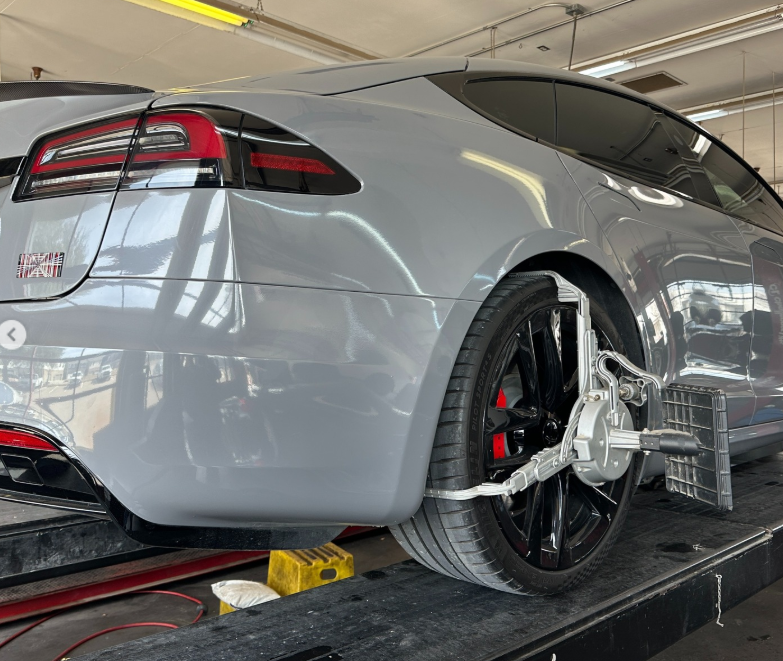
Your vehicle’s braking system is one of the most critical safety components, yet it’s often overlooked until something feels off. Regular brake services are essential not only for your safety but also for maintaining the overall performance of your car. Knowing when to schedule maintenance can help you avoid unexpected failures, costly repairs, and dangerous situations on the road.
This practical guide breaks down the key indicators, timelines, and factors that influence brake maintenance, helping you make informed decisions as a responsible car owner.
Why Timely Brake Maintenance Matters
Brakes are constantly exposed to friction, heat, and pressure. Over time, this leads to wear and tear on components like brake pads, rotors, and fluid systems. Ignoring routine inspections can reduce stopping power, increase braking distance, and even cause total brake failure in extreme cases.
Timely maintenance ensures that every part of your braking system functions properly. It also helps extend the lifespan of components, improves driving confidence, and reduces long-term repair costs.
Common Signs Your Brakes Need Attention
Recognizing early warning signs can save you from serious trouble. Here are some clear indicators that it’s time to schedule a brake check:
1. Squeaking or Grinding Noises
High-pitched squeaking often means your brake pads are wearing thin. Grinding sounds usually indicate that the pads are completely worn out, causing metal-to-metal contact, which can damage the rotors.
2. Reduced Responsiveness
If your car takes longer to stop or the brake pedal feels soft, there could be an issue with the brake fluid or air in the brake lines.
3. Vibrations While Braking
A vibrating steering wheel or brake pedal often points to warped rotors. This can happen due to excessive heat or uneven wear.
4. Pulling to One Side
If your vehicle drifts to one side when braking, it could be due to uneven brake pad wear or a problem with the brake caliper.
5. Warning Lights
Modern vehicles are equipped with dashboard warning lights that alert you to brake system issues. Ignoring these signals can lead to more severe damage.
Recommended Brake Service Intervals
There’s no one-size-fits-all schedule for brake maintenance, but general guidelines can help:
Regular inspections during routine servicing can help identify wear early, even if your brakes seem fine.
Driving Habits That Affect Brake Wear
How you drive has a significant impact on how often you’ll need brake servicing.
Aggressive Driving
Frequent hard braking generates excess heat, which wears down pads and rotors faster.
City Driving
Stop-and-go traffic requires constant braking, leading to quicker wear compared to highway driving.
Carrying Heavy Loads
Driving with extra weight increases the pressure on your braking system, accelerating wear.
Riding the Brakes
Keeping your foot on the brake pedal unnecessarily can cause continuous friction and overheating.
Adopting smoother driving habits can help extend the life of your braking components.
Seasonal and Environmental Factors
External conditions also play a role in brake performance and maintenance frequency.
Wet and Humid Conditions
Moisture can lead to rust on brake components, especially rotors. While light rust is normal, prolonged exposure can cause damage.
Dust and Debris
Driving on dusty or unpaved roads can introduce particles into the braking system, affecting performance.
Extreme Temperatures
Both very high and very low temperatures can impact brake fluid performance and component durability.
Regular inspections become even more important if you frequently drive under such conditions.
The Role of Brake Fluid in Maintenance
Brake fluid is often overlooked, but it’s essential for transferring force from the brake pedal to the braking components.
Over time, brake fluid absorbs moisture, which can reduce its effectiveness and lead to corrosion within the system. This can result in a soft brake pedal or decreased braking efficiency.
Ensuring your brake fluid is clean and at the correct level is a simple yet crucial part of brake maintenance.
Professional Inspection vs. DIY Checks
While some basic checks can be done at home, professional inspections provide a more thorough evaluation.
What You Can Check Yourself:
What Professionals Handle:
Relying on trained technicians ensures that no underlying issue goes unnoticed.
Cost Considerations and Long-Term Savings
Delaying brake maintenance may seem like a way to save money, but it often leads to higher costs later. Replacing worn brake pads is relatively affordable, but ignoring them can damage rotors and other components, significantly increasing repair expenses.
Routine servicing helps you address minor issues before they escalate, ultimately saving you both time and money.
How to Create a Brake Maintenance Schedule
Staying proactive is the best way to ensure your brakes are always in top condition. Here’s a simple approach:
Maintaining a service record can also help you keep track of past repairs and upcoming needs.
Choosing the Right Service Provider
Selecting a reliable mechanic or service center is just as important as scheduling maintenance.
Look for:
A trustworthy service provider will not only fix issues but also guide you on proper maintenance practices.
Final Thoughts
Understanding when to schedule brake maintenance is essential for every car owner. From recognizing early warning signs to following a consistent service routine, staying proactive ensures your vehicle remains safe and reliable.
Ignoring brake issues can lead to serious consequences, both in terms of safety and repair costs. By paying attention to your driving habits, environmental factors, and maintenance schedules, you can extend the life of your braking system and enjoy peace of mind on the road.
Regular inspections and timely repairs make all the difference. Whether it’s replacing worn pads or addressing deeper issues within the system, staying attentive helps prevent major failures. In some cases, more advanced solutions such as brake line repair may be required to restore full braking efficiency and ensure complete safety.


