Notifications

5 minutes, 51 seconds
-25 Views 0 Comments 0 Likes 0 Reviews
Food trucks have become a popular choice for festivals, corporate gatherings, weddings, and community events, but success depends on more than just booking the right vendor. From years of working alongside planners and venues, one thing is clear: proper setup and space planning make or break the experience. When done right, food trucks can support large group catering smoothly and efficiently. When overlooked, they can create bottlenecks, delays, and frustrated guests.
Understanding the space requirements ahead of time helps event organizers avoid last-minute problems and deliver a better experience for everyone involved.
Start With the Right Location on the Site
Where a food truck is positioned matters more than many organizers expect. Trucks need to be accessible without interrupting foot traffic or emergency routes. Ideally, the food area should feel central but not crowded.
When planning space, consider:
Clear entry and exit paths for trucks
Proximity to seating or gathering areas
Distance from stages, entrances, and restrooms
For events relying on large group catering, the food area should support steady flow without guests bunching up in one spot.
Allow Enough Space for Each Truck
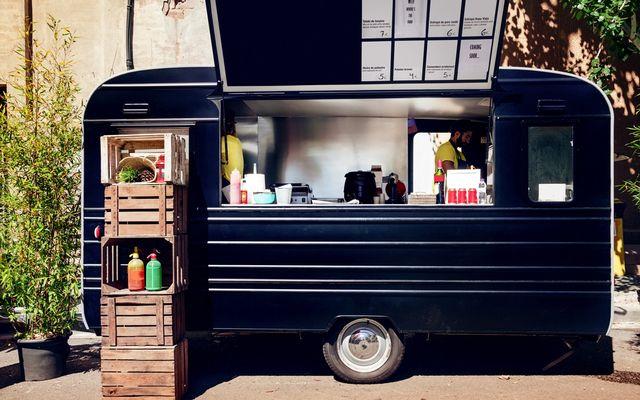
Food trucks vary in size, but most require more room than just their parking footprint. In addition to the truck itself, there needs to be space for service windows, lines, and staff movement.
A good rule of thumb is to allow:
Space in front for customer lines
Clearance behind or beside the truck for generators or prep access
Safe distance between multiple trucks
When booking food truck rentals in Orlando, experienced vendors can provide exact space requirements, which should be factored into your site layout early.
Plan for Guest Flow and Queue Management
Lines are inevitable, especially at peak meal times. Without planning, those lines can block walkways or interfere with other event activities.
Smart organizers manage this by:
Angling trucks to guide lines away from main paths
Using stanchions or signage to control queues
Spreading trucks out instead of clustering them too tightly
Well-managed flow keeps the event moving and reduces guest frustration.
Don’t Overlook Power and Utilities
Some food trucks are fully self-contained, while others may require access to power or water. This varies by vendor and menu.
Before finalizing setup:
Confirm whether trucks use generators or require hookups
Plan for generator noise and placement
Ensure access to water if needed
These details are essential for smooth large group catering, especially at multi-hour events.
Think About Staff and Safety Zones
Food trucks need space not just for guests, but for their teams to work safely. Tight setups increase the risk of accidents and slow down service.
Create clear zones for:
Staff movement
Food preparation and storage
Emergency access if needed
Safety-conscious layouts protect both vendors and attendees.
Consider Weather and Surface Conditions
In Orlando, weather plays a big role in event planning. Heat, rain, and humidity all affect how food trucks operate.
Organisers should:
Choose level, stable surfaces for trucks
Provide shade or coverings where possible
Plan drainage to avoid water pooling
Weather-aware planning supports smoother service and keeps guests comfortable.
Coordinate Setup and Breakdown Timing
Food trucks need time to arrive, set up, and test equipment before guests arrive. Likewise, they need a clear exit plan after service.
Build in:
Early arrival windows
Clear communication with venue staff
Post-event exit routes
When using food truck rentals in Orlando, coordination is key to avoiding delays and disruptions.
Match the Number of Trucks to the Crowd
One of the biggest mistakes in large events is underestimating food demand. Too few trucks lead to long waits and unhappy guests.
A general guideline:
One truck can serve 100–150 guests per hour, depending on menu speed
Larger events benefit from multiple trucks with varied menus
This approach keeps large group catering efficient and enjoyable.
Conclusion
Food trucks can be an excellent solution for feeding crowds—but only when setup and space are planned with care. From positioning and power to guest flow and safety, these details directly affect the success of your event. By understanding the practical needs of large-group catering and working closely with experienced food truck rental companies, event organizers can create a smooth, enjoyable dining experience that guests will remember for the right reasons.