Notifications

10 minutes, 14 seconds
-14 Views 0 Comments 0 Likes 0 Reviews
Chronic nasal congestion, breathing difficulty, and persistent sinus pressure can significantly affect quality of life. For many patients, these symptoms are linked to enlarged nasal turbinates or structural issues within the nose. In Beverly Hills and Los Angeles, patients have access to some of the most advanced ENT care in the country, particularly for procedures such as turbinate reduction and related nasal airway surgeries. Understanding what sets top ENT specialists apart can help patients make informed decisions about their care.
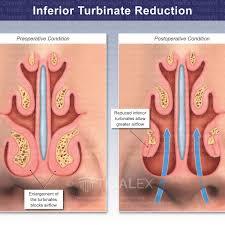
Nasal turbinates are long, narrow structures inside the nose that humidify and filter the air we breathe. When these turbinates become enlarged—often due to allergies, chronic inflammation, or sinus conditions—they can obstruct airflow. This condition, known as turbinate hypertrophy, may cause symptoms such as:
When conservative treatments like medications or allergy management fail, turbinate reduction becomes a clinically effective option.
Turbinate reduction is a minimally invasive procedure designed to decrease the size of the turbinates while preserving their essential function. Modern techniques focus on improving airflow without removing excessive tissue, resulting in faster recovery and long-term relief.
Patients seeking turbinate reduction Los Angeles services often benefit from advanced technologies such as radiofrequency ablation, microdebrider-assisted reduction, or submucosal techniques. These methods are typically performed on an outpatient basis and are tailored to the patient’s anatomy and underlying condition.
Beverly Hills and greater Los Angeles are recognized globally for excellence in medical and surgical specialties, including otolaryngology (ENT). Several factors contribute to the region’s reputation:
This environment allows ENT physicians to address both functional breathing issues and aesthetic considerations when needed.
Leading ENT specialists in Beverly Hills often have extensive training in nasal airway surgery, sinus disorders, and facial plastic surgery. Their experience allows them to accurately diagnose complex nasal obstruction issues and determine whether turbinate reduction alone is sufficient or if additional procedures are required.
Top physicians do not treat symptoms in isolation. A thorough evaluation may include nasal endoscopy, imaging studies, and airflow assessment. Conditions such as deviated septum or nasal valve weakness are carefully assessed, as they may coexist with turbinate hypertrophy.
In some cases, turbinate reduction is combined with Nasal valve collapse surgery to achieve optimal breathing outcomes. This comprehensive approach ensures long-term success rather than temporary relief.
ENT specialists in Los Angeles frequently utilize state-of-the-art, tissue-sparing techniques. These methods minimize discomfort, reduce downtime, and preserve the natural function of the nasal lining. The goal is not only to open the airway but also to maintain healthy nasal physiology.
Improved breathing can dramatically enhance sleep quality, exercise tolerance, and overall well-being. Top ENT clinics emphasize measurable functional improvement while also considering patient comfort, recovery time, and long-term satisfaction.
The nasal valve is the narrowest part of the nasal airway and plays a critical role in airflow resistance. Even minor structural weakness or collapse in this area can cause significant breathing difficulty. Many patients with persistent nasal obstruction may not realize that nasal valve dysfunction is contributing to their symptoms.
When turbinate hypertrophy and valve issues occur together, addressing only one component may not fully resolve the problem. This is why experienced ENT specialists evaluate whether Nasal valve collapse surgery should be incorporated into the treatment plan. When performed by skilled surgeons, this procedure can restore structural support and significantly improve airflow.
One of the defining characteristics of leading ENT practices in Beverly Hills is individualized care. No two nasal anatomies are identical, and treatment plans are customized based on:
Patients considering turbinate reduction Los Angeles clinics often appreciate detailed consultations where treatment options, risks, and expected outcomes are clearly explained.
Most patients undergoing turbinate reduction experience mild discomfort and congestion for a short period following the procedure. Recovery protocols are designed to promote healing while minimizing disruption to daily life. When performed correctly, turbinate reduction offers durable improvement in nasal airflow.
Long-term success is highest when the procedure is part of a comprehensive nasal airway strategy. This includes addressing septal deviation, valve collapse, or chronic inflammation when necessary.
Selecting the right physician is a critical step toward successful treatment. Patients should look for:
Beverly Hills and Los Angeles offer a unique concentration of specialists who meet these criteria, making the region a top destination for advanced ENT care.
Turbinate reduction is a highly effective solution for patients suffering from chronic nasal obstruction, but outcomes depend heavily on proper diagnosis and surgical expertise. In Beverly Hills and Los Angeles, top ENT specialists distinguish themselves through advanced training, comprehensive evaluation, and a patient-focused approach.
By addressing not only enlarged turbinates but also related conditions such as nasal valve dysfunction, these specialists help patients achieve lasting relief and improved quality of life. For individuals seeking trusted care for turbinate reduction Los Angeles services, choosing an experienced ENT physician can make all the difference in achieving optimal breathing and long-term comfort.
Top ENT specialists in Beverly Hills combine advanced medical training with extensive experience in nasal airway surgery. They use modern, minimally invasive techniques and perform comprehensive evaluations to identify all causes of nasal obstruction, ensuring long-lasting and personalized results for each patient.
Patients who experience chronic nasal congestion, difficulty breathing through the nose, or frequent sinus infections despite medication or allergy treatment may be candidates for turbinate reduction. A thorough ENT evaluation is required to determine whether turbinate hypertrophy or other structural issues are causing the symptoms.
Yes. In many cases, turbinate reduction is performed alongside procedures such as septoplasty or Nasal valve collapse surgery. Addressing multiple airway issues at the same time can significantly improve breathing outcomes and reduce the chance of persistent nasal obstruction.
Most patients recover quickly, with mild congestion lasting one to two weeks. Because modern turbinate reduction Los Angeles procedures are minimally invasive, many patients return to normal activities within a few days, following their physician’s post-procedure care instructions.
When performed by an experienced ENT specialist, turbinate reduction provides long-term improvement in nasal airflow. Maintaining results may also depend on managing underlying conditions such as allergies or chronic inflammation, which your ENT specialist will address as part of a comprehensive treatment plan.


