Notifications

2 minutes, 22 seconds
-406 Views 0 Comments 0 Likes 0 Reviews
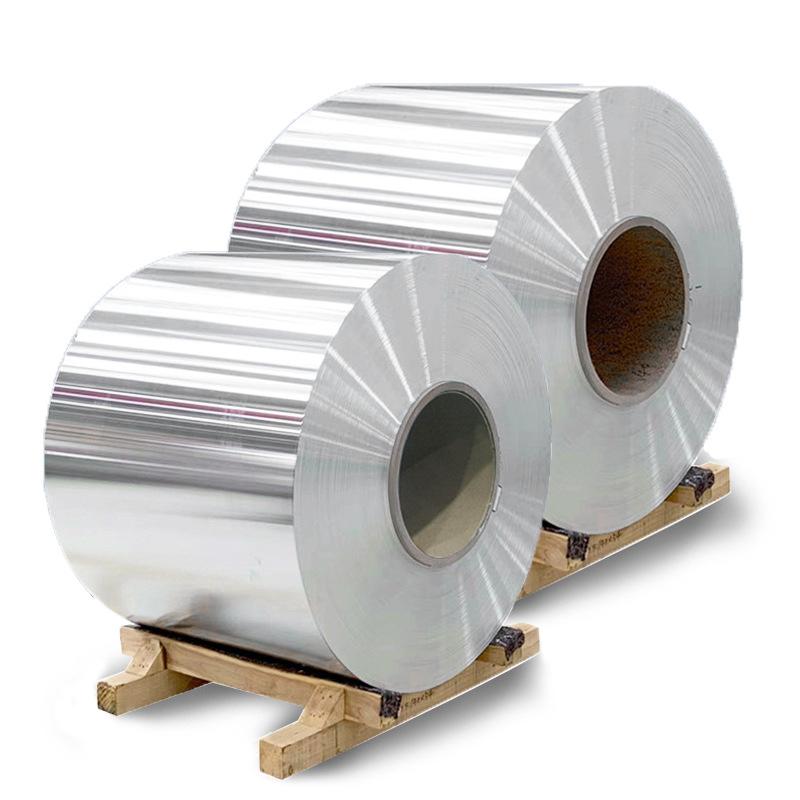
As electric vehicles (EVs) dominate the automotive industry, battery safety and efficiency have become critical. One unsung hero in EV design? 5052 aluminum coil, widely used in battery enclosures due to its unique properties. This blog explores why automakers favor 5052 over other materials for protecting high-voltage battery systems.
EV batteries require:
✔ Lightweight materials to maximize range.
✔ Thermal conductivity to manage heat.
✔ Crash resistance for safety.
While steel is strong, it’s too heavy. Carbon fiber is lightweight but costly. 5052 aluminum strikes the perfect balance.
Better Formability Than 6061: Battery enclosures often need intricate shapes, and 5052’s superior formability allows for deep-drawn designs without cracking.
Higher Fatigue Strength Than 3003: EV battery housings endure constant vibration; 5052’s magnesium content improves fatigue resistance.
Superior Weldability: Laser welding is common in EV production, and 5052 produces clean, strong welds without weakening the structure.
Lithium-ion batteries generate heat, and 5052 helps dissipate it efficiently. Additionally, aluminum’s non-combustible nature provides an extra layer of safety against battery fires.
While Tesla doesn’t disclose exact alloys, industry experts suggest 5052 is used in Model 3 and Y battery trays due to its weldability and corrosion resistance (important for underbody components).
As solid-state batteries emerge, their enclosures will need even better thermal properties. 5052 is well-positioned to remain a key material due to its adaptability.
From corrosion resistance to crash safety, 5052 aluminum coil plays a pivotal role in EV battery technology. As automakers push for lighter, safer, and more efficient designs, 5052 will continue to be a critical material in the EV revolution.


 Battery Enclosures)
 Battery Enclosures)