Notifications

8 minutes, 8 seconds
-11 Views 0 Comments 0 Likes 0 Reviews
Proper ventilation is essential for maintaining healthy, comfortable, and productive indoor environments. Whether in residential kitchens, commercial buildings, warehouses, or industrial facilities, effective airflow management helps remove stale air, excess moisture, odors, smoke, and airborne contaminants. Without a reliable ventilation system, indoor air quality can decline quickly, leading to discomfort, structural damage, and potential health concerns.
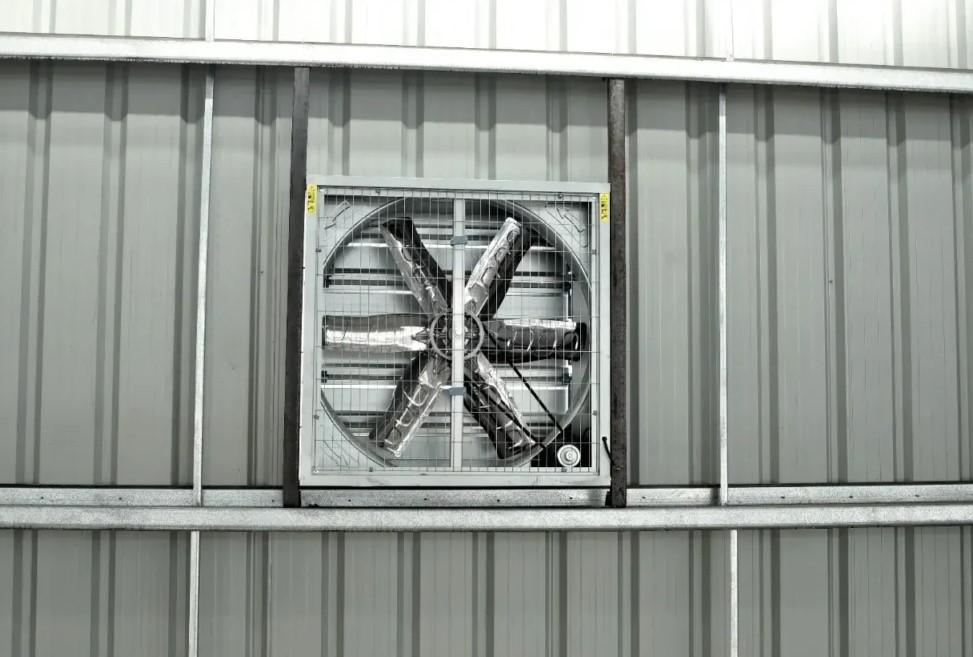
One of the most practical and efficient solutions for improving airflow is installing wall mounted exhaust fans. These systems are designed to extract unwanted air directly through an exterior wall, ensuring continuous circulation and preventing the buildup of heat and humidity. Their compact design, easy installation, and strong performance make them an ideal choice for a wide range of applications.
Good ventilation goes beyond simply moving air. It plays a critical role in regulating temperature, controlling humidity levels, and maintaining a clean indoor atmosphere. In environments such as kitchens and factories, heat and fumes can accumulate rapidly. In bathrooms and storage areas, excess moisture can cause mold growth and material deterioration.
An effective exhaust system helps balance indoor and outdoor air exchange. By removing contaminated air and allowing fresh air to enter, it creates a healthier and more comfortable space. This process is particularly important in commercial and industrial settings where continuous operations generate heat and airborne particles throughout the day.
Selecting the right exhaust fan requires careful evaluation of several factors. Airflow capacity is one of the most important considerations. Measured in cubic meters per hour or cubic feet per minute, airflow determines how effectively the fan can ventilate a specific space. Larger rooms or high-heat areas require higher airflow capacity to ensure efficient performance.
Noise level is another crucial aspect. In offices, retail stores, or residential spaces, excessive noise can cause disturbance. Choosing a fan with low operational noise ensures comfort without compromising ventilation performance.
Energy efficiency should also be taken into account. Modern ventilation systems are designed to consume less electricity while delivering consistent airflow. Opting for an energy-efficient model reduces operational costs and supports sustainability goals.
The durability of materials is equally important. Industrial or high-humidity environments demand corrosion-resistant bodies and strong motor components to withstand constant exposure to moisture, dust, and heat.
Wall-mounted exhaust systems are versatile and suitable for various environments. In residential settings, they are commonly installed in kitchens and bathrooms to remove smoke, steam, and odors. Their ability to quickly extract moist air helps prevent mold growth and keeps interiors fresh.
In commercial establishments such as restaurants, retail outlets, and offices, these fans contribute to maintaining comfortable working conditions. They ensure consistent air exchange, especially in areas with limited natural ventilation.
Industrial facilities benefit greatly from powerful exhaust systems. Manufacturing plants, workshops, and warehouses often generate heat, fumes, and airborne particles that require continuous extraction. Choosing the right model with adequate airflow capacity ensures that the workspace remains safe and compliant with health standards.
Correct installation significantly impacts ventilation performance. The fan should be positioned at a height and location that allows maximum air extraction. Typically, it is installed on an exterior wall where stale air can be expelled directly outdoors.
The size of the wall opening must match the fan dimensions to prevent air leakage. Proper sealing around the unit ensures optimal efficiency and prevents unwanted air infiltration. Electrical connections should be handled professionally to guarantee safety and long-term reliability.
For industrial or large commercial setups, multiple units may be installed to create balanced airflow throughout the facility. Strategic placement ensures even ventilation and avoids dead zones where air can stagnate.
Regular maintenance ensures consistent operation and extends the lifespan of the ventilation system. Dust and debris can accumulate on blades and grills, reducing airflow efficiency. Routine cleaning keeps the fan operating smoothly and maintains strong air extraction.
Checking motor components, wiring, and mounting fixtures periodically helps prevent unexpected breakdowns. In high-use environments, scheduled inspections are recommended to ensure continuous and reliable performance.
Investing in quality equipment from trusted manufacturers often results in lower maintenance costs over time. Durable motors and high-grade materials contribute to long-term functionality and reduced operational disruptions.
As energy costs continue to rise, businesses and homeowners are increasingly seeking sustainable solutions. Modern exhaust systems are engineered with energy-saving motors and optimized blade designs to maximize airflow while minimizing electricity consumption.
Efficient ventilation not only lowers power usage but also reduces the need for excessive air conditioning. By removing hot air and maintaining proper circulation, these systems support overall climate control strategies.
Sustainable ventilation solutions contribute to environmentally responsible building management. Lower energy consumption leads to reduced carbon emissions, aligning with green building practices and long-term sustainability goals.
Indoor comfort directly influences productivity and well-being. In workplaces, poor air quality can cause fatigue, headaches, and decreased concentration. Proper ventilation ensures fresh air circulation, creating a more comfortable and motivating environment.
Employees working in well-ventilated spaces are more likely to remain focused and efficient. In residential settings, effective air extraction enhances daily comfort and supports a healthier living environment.
By investing in a well-designed ventilation system, property owners demonstrate a commitment to safety, comfort, and operational efficiency.
Choosing the right wall-mounted exhaust system requires careful consideration of airflow capacity, energy efficiency, durability, and installation requirements. Whether for residential, commercial, or industrial use, these ventilation solutions play a vital role in maintaining indoor air quality and comfort.
A properly selected and installed exhaust fan improves air circulation, reduces moisture buildup, and enhances overall environmental conditions. With thoughtful planning and regular maintenance, businesses and homeowners can enjoy long-lasting performance and healthier indoor spaces.
Smart ventilation is not just about removing stale air; it is about creating balanced, comfortable, and sustainable environments that support productivity and well-being.