Notifications

14 minutes, 20 seconds
-319 Views 0 Comments 1 Like 0 Reviews
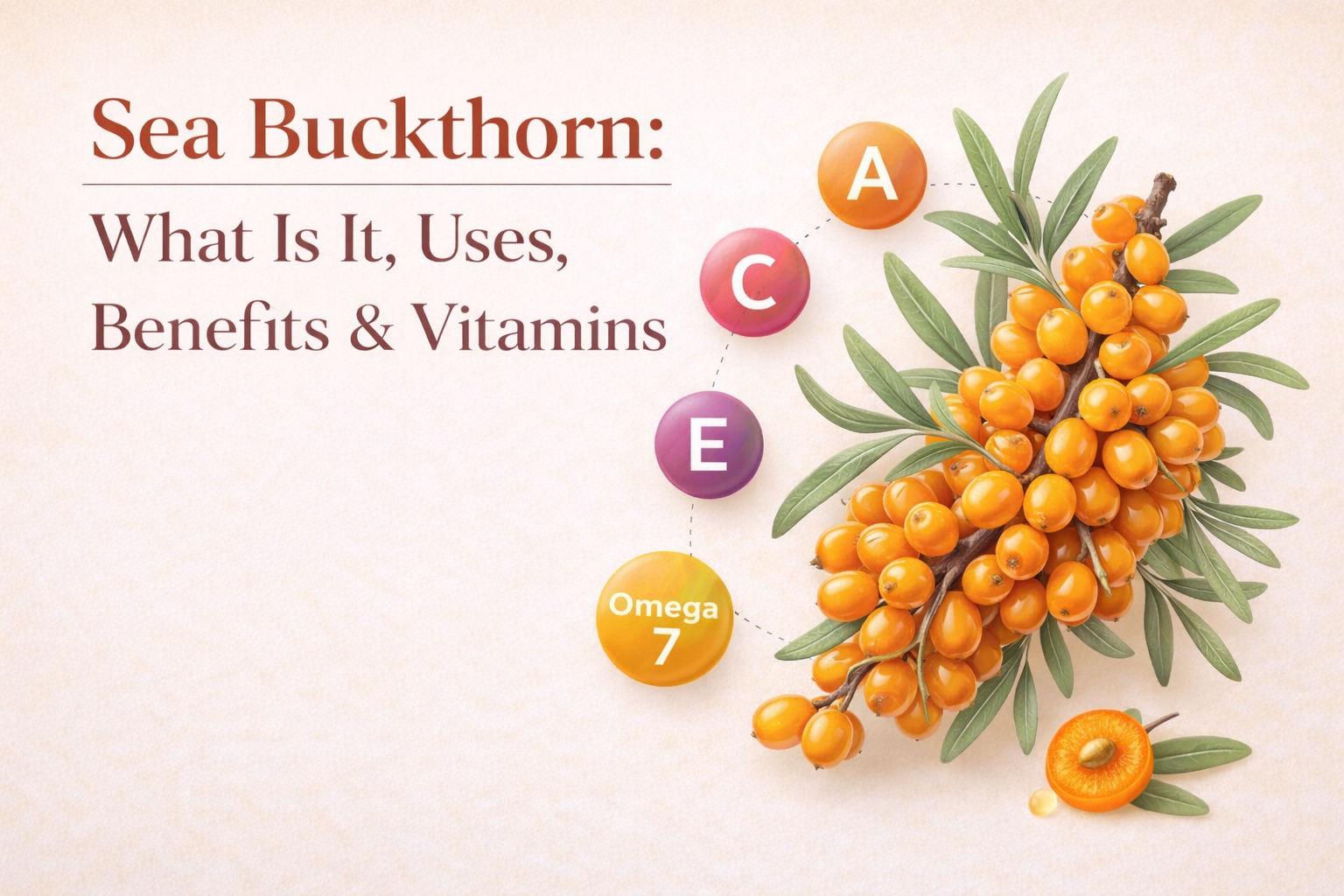
Sea buckthorn is a powerful medicinal plant that has gained popularity in recent years for its impressive nutritional profile and numerous health benefits. Known for its bright orange berries and rich oil, this plant has been used for centuries in traditional medicine across Asia and Europe. Today, sea buckthorn oil, juice, supplements, and skincare products are widely used for improving skin health, boosting immunity, and supporting overall wellness.
In this comprehensive guide, we will explore what sea buckthorn is, its nutritional value, vitamins, health benefits, uses, and possible side effects so you can understand why it is considered one of the most nutrient-dense plants in the world.
What Is Sea Buckthorn?
Sea buckthorn (scientific name: Hippophae rhamnoides) is a small shrub that produces bright orange berries. It grows naturally in regions of Europe, Central Asia, China, and the Himalayas. The plant is well known for its hardy nature and ability to survive in harsh climates.
The berries, leaves, and seeds of the plant are rich in nutrients and bioactive compounds. Because of this, sea buckthorn has been used for centuries in traditional Chinese medicine, Tibetan medicine, and Ayurvedic practices.
The fruit has a slightly sour and tangy taste and is commonly processed into:
What makes sea buckthorn unique is its exceptional nutrient composition, especially its high levels of vitamins, antioxidants, essential fatty acids, and plant compounds that support overall health.
What is history of sea buckthorn?
The history of sea buckthorn dates back thousands of years and spans several ancient civilizations. The plant was first recognized in ancient Greece, where it was used to improve the health and appearance of horses. In fact, the scientific name Hippophae comes from Greek words meaning “shiny horse,” because horses that ate the plant developed shiny coats.
Sea buckthorn was also widely used in Traditional Chinese and Tibetan medicine to support digestion, improve circulation, and treat skin problems. Ancient healers valued the berries and leaves for their nutritional and medicinal properties.
In the 20th century, Russian scientists studied sea buckthorn and discovered its rich content of vitamins, antioxidants, and essential fatty acids. Today, sea buckthorn is popular worldwide as a superfood and skincare ingredient due to its many health benefits.
Nutritional Value of Sea Buckthorn
Sea buckthorn berries are considered a nutritional powerhouse. They contain a wide variety of vitamins, minerals, antioxidants, and healthy fats that support multiple functions in the body.
Key Nutrients Found in Sea Buckthorn
One of the most remarkable features of sea buckthorn is its high concentration of Omega-7 fatty acid (palmitoleic acid), which is rarely found in plant sources and is extremely beneficial for skin and mucous membranes.
Vitamins in Sea Buckthorn
Sea buckthorn berries contain an impressive range of vitamins that support overall health and well-being.
Vitamin C
Sea buckthorn is extremely rich in vitamin C, sometimes containing more than oranges. Vitamin C supports immune function, collagen production, and skin health.
Vitamin A
The berries contain beta-carotene, which the body converts into vitamin A. This vitamin helps maintain healthy vision, skin regeneration, and immune strength.
Vitamin E
Sea buckthorn is also rich in vitamin E, a powerful antioxidant that protects cells from oxidative stress and supports skin repair and anti-aging.
╰┈➤ Read Also: https://www.ashpveda.com/blogs/skin-care/vitamin-e-capsules-for-face
Vitamin K
Vitamin K plays an important role in blood clotting and bone health.
B Vitamins
Sea buckthorn contains several B-complex vitamins that help support metabolism, energy production, and nervous system function.
Because of this diverse vitamin profile, sea buckthorn is often considered a natural multivitamin from nature.
Health Benefits of Sea Buckthorn
1. Supports Skin Health
One of the most popular uses of sea buckthorn is for skin care. The oil extracted from the berries and seeds is rich in omega fatty acids, antioxidants, and vitamins that nourish the skin.
Benefits for skin include:
The presence of Omega-7 fatty acid makes sea buckthorn oil particularly beneficial for maintaining healthy skin.
2. Boosts Immune System
Sea buckthorn berries contain high levels of vitamin C, flavonoids, and antioxidants that strengthen the immune system.
These nutrients help the body:
Regular consumption of sea buckthorn products may help improve overall immune resilience.
3. Promotes Heart Health
Sea buckthorn contains healthy fats including omega-3, omega-6, omega-7 and omega-9 fatty acids, which are beneficial for cardiovascular health.
Potential heart benefits include:
The antioxidants present in sea buckthorn may also help reduce the risk of oxidative stress related to heart disease.
4. Improves Digestive Health
Sea buckthorn has traditionally been used to support digestive system health.
The plant compounds found in the berries may help:
Sea buckthorn oil has also been studied for its potential to help protect the gastrointestinal tract.
5. Supports Eye Health
The beta-carotene and vitamin A in sea buckthorn play a key role in maintaining good vision.
These nutrients help:
Because of these benefits, sea buckthorn is sometimes included in supplements designed to support eye health.
6. May Help with Anti-Aging
Sea buckthorn is rich in antioxidants such as flavonoids and carotenoids that help protect cells from damage caused by free radicals.
These antioxidants may help:
This is why sea buckthorn is widely used in natural anti-aging skincare products.
╰┈➤ Read Also: https://www.ashpveda.com/blogs/health/panchakarma-treatment-guide
Uses of Sea Buckthorn
Sea buckthorn is used in many forms in health, nutrition, and skincare.
1. Sea Buckthorn Oil
Extracted from the seeds and pulp of the berries, this oil is widely used for skin care, hair care, and dietary supplements.
2. Sea Buckthorn Juice
The berries are processed into juice that is consumed for immune support and nutritional benefits.
3. Capsules and Supplements
Sea buckthorn supplements are commonly used to support skin health, digestion, and heart health.
4. Skincare Products
Many cosmetic products contain sea buckthorn oil due to its moisturizing and anti-aging properties.
5. Herbal Teas
Dried sea buckthorn berries or leaves are sometimes used to prepare herbal sea buckthorn tea.
How to Use Sea Buckthorn
There are several ways to include sea buckthorn in your daily routine.
However, it is recommended to use products according to recommended dosage or product instructions.
Possible Side Effects and Precautions
Sea buckthorn is generally considered safe when used in moderate amounts. However, some precautions should be kept in mind.
Possible considerations include:
Using high-quality and properly formulated products is important to ensure safety and effectiveness.
Final Thoughts
Sea buckthorn is a highly nutritious plant known for its impressive combination of vitamins, antioxidants, and essential fatty acids. From supporting skin health and immunity to promoting heart and digestive health, this powerful berry offers a wide range of potential benefits.
Because of its rich nutrient profile and traditional medicinal uses, sea buckthorn continues to gain recognition as a valuable natural superfood and skincare ingredient. When used responsibly and as part of a balanced lifestyle, sea buckthorn products can be a beneficial addition to your daily health and wellness routine.
FAQ
1. What is sea buckthorn?
Sea buckthorn is a small orange berry that grows on the plant Hippophae rhamnoides. It is known for its rich nutritional value and is widely used in traditional medicine, skincare, and dietary supplements due to its high levels of vitamins, antioxidants, and healthy fatty acids.
2. What are the main health benefits of sea buckthorn?
Sea buckthorn offers several health benefits, including:
3. What vitamins are found in sea buckthorn?
Sea buckthorn contains many essential vitamins such as:
These nutrients help support immunity, skin health, and overall wellness.
4. Is sea buckthorn good for skin?
Yes, sea buckthorn oil is widely used in skincare because it contains omega fatty acids and antioxidants that help:
5. How can sea buckthorn be used?
Sea buckthorn can be used in several forms, including:
Each form provides different health and nutritional benefits.
6. Is sea buckthorn good for hair?
Sea buckthorn oil may help improve hair and scalp health. Its vitamins and fatty acids nourish the scalp, strengthen hair follicles, and may help reduce dryness and hair damage.
7. Can sea buckthorn boost immunity?
Yes, sea buckthorn is rich in vitamin C and antioxidants, which help strengthen the immune system and protect the body against infections and inflammation.
8. Are there any side effects of sea buckthorn?
Sea buckthorn is generally safe when consumed in moderate amounts. However, some people may experience:
It is best to consult a healthcare professional before taking supplements.
9. Can sea buckthorn help with anti-aging?
Sea buckthorn contains powerful antioxidants that help fight free radicals, which are responsible for premature aging. Regular use may help improve skin texture and reduce signs of aging.
10. Is sea buckthorn safe to consume daily?
Sea buckthorn can usually be consumed daily in recommended amounts, especially in the form of juice, oil, or supplements. However, following dosage guidelines or consulting a healthcare professional is recommended.
Sea buckthorn sea buckthorn Juice sea buckthorn for Skincare What is sea buckthorn