Notifications

3 minutes, 54 seconds
-39 Views 0 Comments 0 Likes 0 Reviews
A common problem for agricultural facilities and businesses in rural areas is that their large spaces require an ongoing supply of comfortable working conditions year-round, which results in an ever-increasing expense due to rising fuel prices for heating. Traditional fuel sources such as oil or natural gas can impose massive operating costs. Therefore, many farming and rural sector businesses have begun utilizing alternative heating systems that can be used with readily available materials in their respective locations. In particular, Straw boilers are one of the best and most accessible methods of producing heat for agricultural operations due to their efficiency and cost-effectiveness.
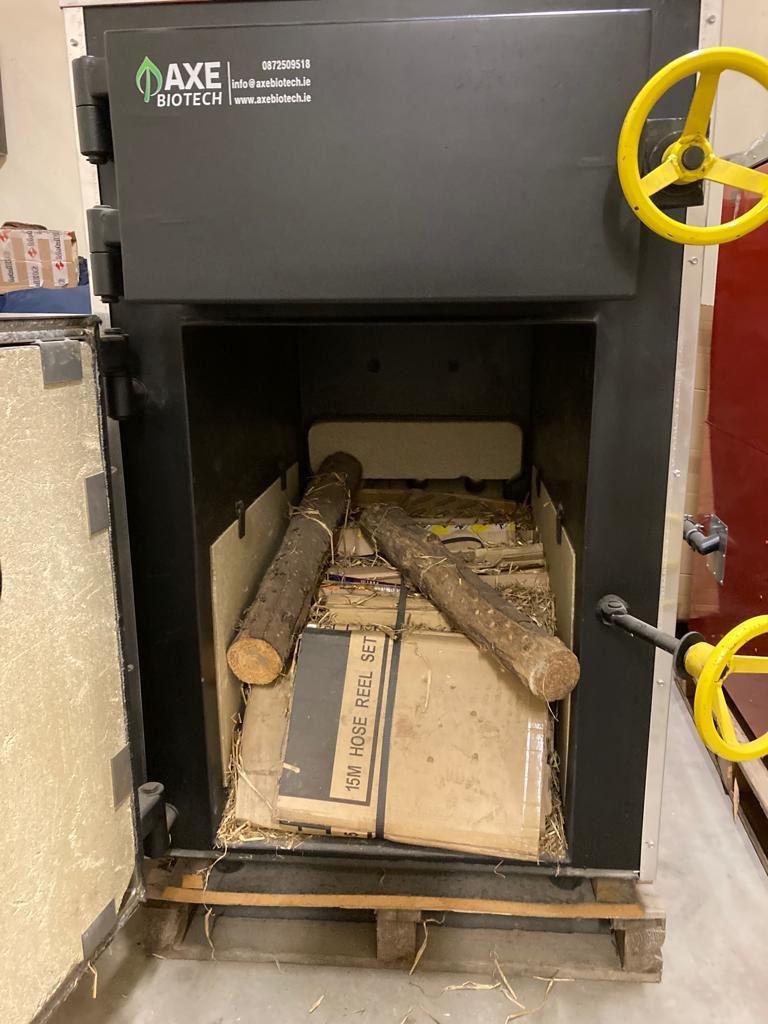
Straw boilers are designed as heating systems that use agricultural straw as fuel. Straw is produced as a by-product of crops such as wheat, barley and oats. Farmers can use their straw as a renewable fuel source rather than dispose of it after harvest.
The process of converting stored energy in the straw into heat to be used for heating buildings, producing hot water and for agriculture is accomplished with straw boilers. As straw is abundantly available to many farms, burning it reduces dependence on purchasing energy from other sources.
Straw boilers are considered a subtype of a CFB type solid fired boiler and use solid fuel combustion method to create thermal energy. In most cases with Solid fuel boilers Systems, the materials used for combustion may include logs, pellets, mineral coal or agricultural biomass.
Solid Fuel Systems Support many types of rural operations; this provides businesses with access to locally available combustible fuel sources. By doing this reduces their dependency from other sources (e.g., Utilities) & provides more predictable operations costs.
Certain types of heating systems are specifically designed to burn multiple types of fuel, and therefore called multi fuel boilers. This ability to use different types of fuel is especially useful for farming and other rural facilities that may have changing fuel supplies over their lifetime.
For instance, a heating system may primarily run using straw, but may also be able to switch to wood chips, pellets, or other types of biomass if necessary. The ability to burn multiple types of fuel ensures that the heating will continue without interruption even if one of the alternative sources has a temporary or permanent shortage.
Agricultural producers and their rural communities are currently considering alternative heating to facilities because of the increasing national cost of energy. An alternative to consider is straw boilers, which utilize agricultural waste (straw) as raw material to heat facilities, and reduce reliance on costly forms of energy. Additionally, agricultural producers and rural businesses can supplement straw boilers with Solid fuel boilers or multi fuel boilers for consistency and dependability in their heating needs.