Notifications

9 minutes, 50 seconds
-27 Views 0 Comments 0 Likes 0 Reviews
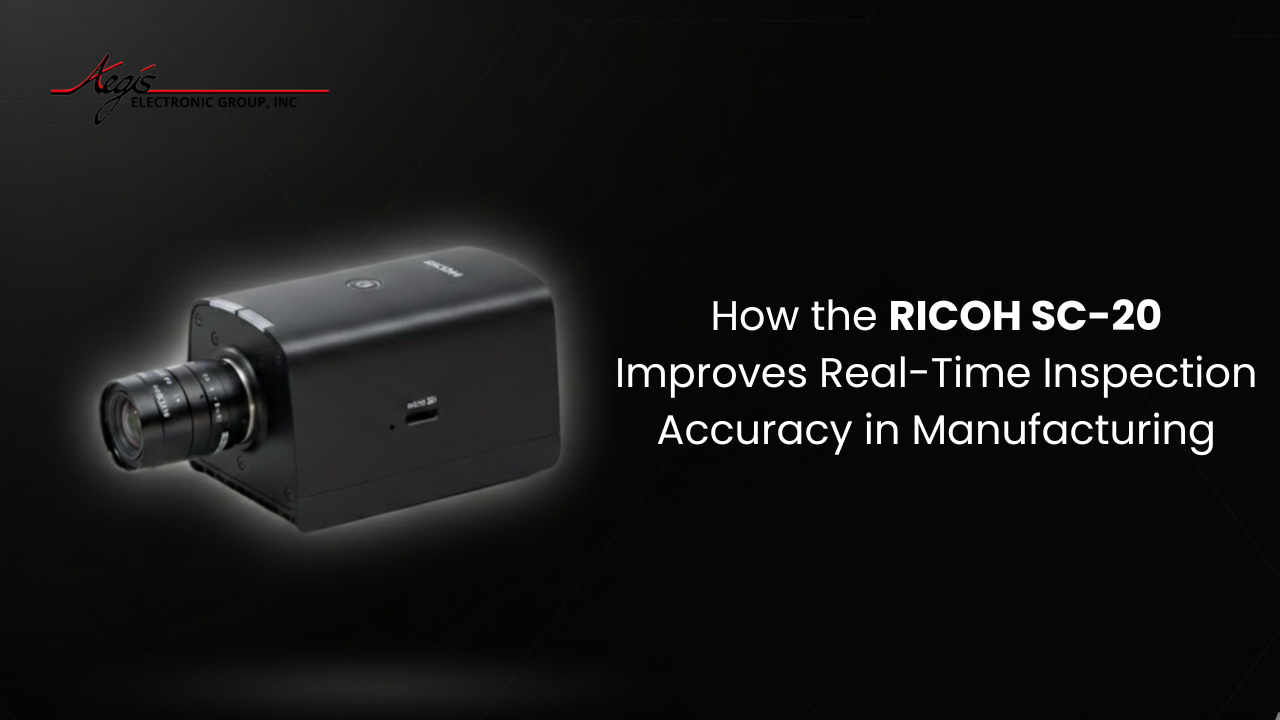
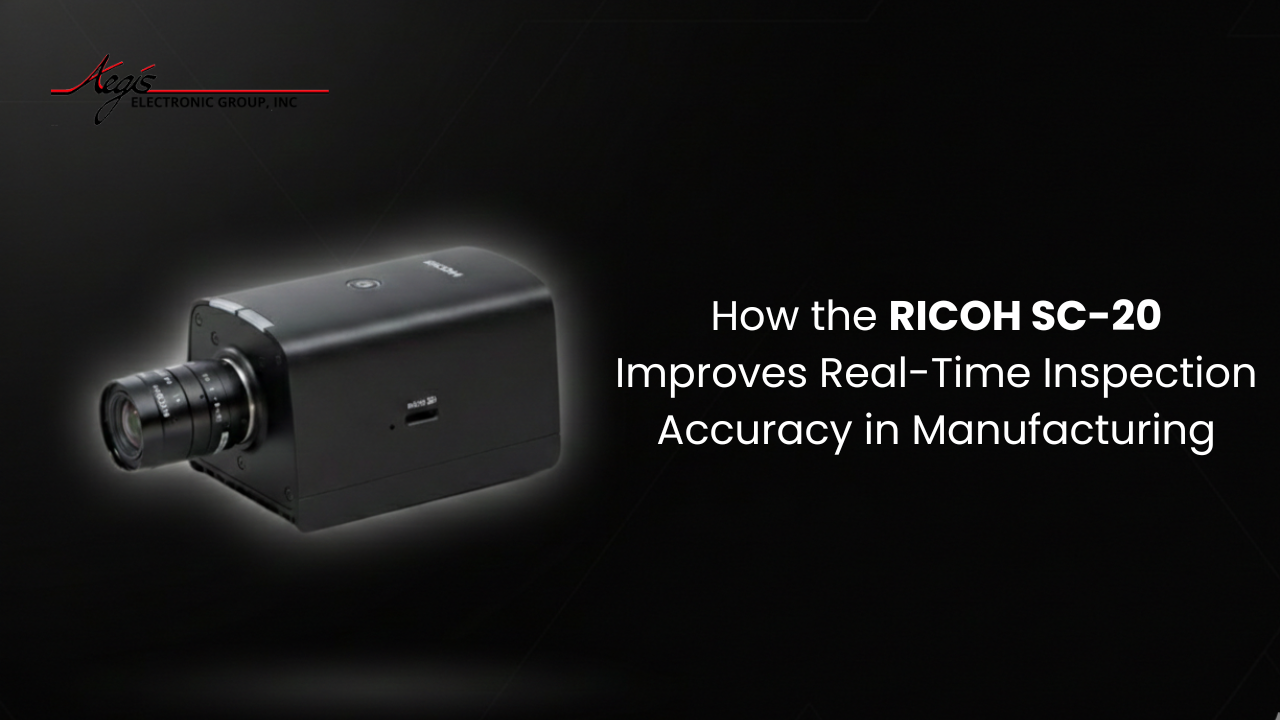
In modern manufacturing, precision and speed go hand-in-hand. As production lines become faster and product tolerances tighter, traditional manual inspection methods struggle to keep up. Human visual checks, while necessary in some situations, can be inconsistent and error-prone — especially when fatigue or complexity enters the equation. This is where automated inspection technology excels, offering consistent, high-accuracy quality control. Among these advanced tools, the RICOH SC-20 Work Inspection Camera stands out as a robust solution designed to enhance real-time inspection accuracy throughout the manufacturing process.
Every manufacturing line, whether it’s assembling electronics, automotive parts, or precision instruments, shares a common requirement: quality must be verified at every stage of production. Traditionally, this has been done by trained inspectors visually checking components for defects. However, even the most experienced operators can miss subtle defects or inconsistencies — especially under time pressure or when inspecting repetitive assembly tasks.
Moreover, manual inspections are difficult to standardize across shifts and operators. This can lead to variances in product quality, undermining customer satisfaction and increasing the risk of costly recalls or rework. As a result, many manufacturers are turning to advanced imaging technologies, similar in clarity and performance to a 4k Security Camera, to achieve greater consistency and precision.
Modern production environments demand inspection systems that are fast, accurate, and reliable — without adding undue complexity to the workflow.
The RICOH SC-20 is a high-performance machine vision inspection system specifically built to address the pitfalls of manual quality control. It combines high-resolution imaging with intelligent inspection logic to deliver consistent and precise results in real time.
At its core, the SC-20 boasts an advanced image sensor capable of capturing ultra-clear visuals during every stage of assembly. This capability allows manufacturers to identify defects such as incorrect part placement, missing components, and improper orientations that might otherwise go unnoticed with human inspection.
In essence, the SC-20 bridges the gap between human visual judgment and automated inspection by combining digital precision with intuitive setup and operation.
One of the standout features of the RICOH SC-20 inspection camera is its high-resolution imaging capability. Equipped with a sophisticated sensor — often referred to in similar machine vision systems as comparable in clarity to a 4k security camera — the SC-20 captures fine details that are crucial for accurate inspections.
This level of resolution is especially important for distinguishing subtle variances in products that look acceptable to the human eye but fail internal quality standards. For example, texture differences, minute shape variations, or slight color deviations — all critical in precision manufacturing — can be detected reliably when processed digitally.
A key advantage of the SC-20 is its flexibility in performing inspections. It can conduct real-time inspections while a product is being assembled and batch inspections after a process is completed.
Real-time inspection makes it possible to catch errors the moment they occur. If an assembly step does not match expected criteria, the system can immediately flag the issue, allowing operators or automated systems to correct it before moving further down the line.
On the other hand, batch inspection is ideal when a sequence of assembly steps must be reviewed collectively. By capturing a master image of a correctly assembled product and comparing subsequent units to this reference, the system can efficiently evaluate consistency across large production volumes.
This dual inspection capability helps manufacturers maintain high throughput without sacrificing product quality.
The technological backbone of the SC-20 lies in its machine vision inspection for manufacturing workflows. The system doesn’t just capture images — it interprets them.
Using advanced image recognition, the SC-20 can discern differences in shape, color, and texture. This means it can detect missing parts, incorrect orientations, or even subtle surface imperfections. All these inspections happen digitally and consistently, eliminating the subjectivity that comes with human observation.
Additionally, the system can guide operators through assembly steps and verify whether each task is completed correctly before allowing the workflow to continue. This capability not only improves inspection accuracy but also enforces standard operating procedures on the factory floor.
Unlike some industrial inspection systems that require complex setups and programming knowledge, the RICOH SC20 is designed for simplicity. The device integrates the imaging processor and software within a compact unit, meaning there’s no need for an external computer.
To begin, operators only need to connect a monitor and optional input devices like a keyboard or touch screen. Through a straightforward interface, inspection points can be defined quickly, and workflows configured without deep technical expertise. This ease of use means manufacturers can deploy high-precision inspection technology faster and with fewer resources.
In regulated industries, traceability is not just a bonus — it’s a must. The RICOH SC-20 Work Inspection Camera system offers robust data logging features that capture both inspection results and relevant metadata such as timestamps, serial numbers, and pass/fail outcomes.
This capability helps manufacturers maintain comprehensive records of inspection history, which can be crucial for audits, compliance reporting, and continuous process improvement initiatives. Rather than relying on manual logs or spreadsheets, quality teams can leverage automated data collection to trace problems back to specific production batches.
Across various industries, the manufacturing process inspection camera has proven valuable in enhancing product quality and operational efficiency:
Electronics Assembly: Detecting misaligned components, missing chips, and incorrect polarities.
Automotive Manufacturing: Verifying correct placement and fastening of parts, wiring harness orientation, and more.
Medical Device Production: Ensuring that small, critical components meet stringent specifications.
General Quality Assurance: Reducing dependence on subjective visual checks and increasing consistency.
By automating critical inspection tasks, manufacturers can reduce rework, minimize scrap, and maintain higher productivity while ensuring quality.
The adoption of machine vision systems like the SC-20 reflects a broader shift in manufacturing toward automation and data-driven decision making. With increasing pressure to reduce costs and improve quality, investing in robust inspection tools is no longer optional — it’s essential.
Machine vision delivers benefits that manual inspection cannot match: objective results, consistent performance, and scalable integration into larger automation systems. Moreover, because systems like the SC-20 do not need extensive programming or specialist skills to operate, they are accessible to a wide range of manufacturing environments.
As manufacturing evolves, so too must the tools that support quality and efficiency. The RICOH SC-20 Work Inspection Camera exemplifies how advanced imaging and machine vision can elevate real-time inspection accuracy, streamline workflows, and ensure consistent product quality. With features like high-resolution imaging, intuitive integration, and powerful image recognition, the SC-20 offers a comprehensive solution to the challenges of modern production environments.
For manufacturers seeking professional support and deployment of these advanced inspection systems, Aegis Electronic Group provides expertise and tailored implementation solutions to help businesses enhance quality control and operational precision.
RICOH SC-20 Work Inspection Camera RICOH SC20 4k Security Camera SC-20


)

