

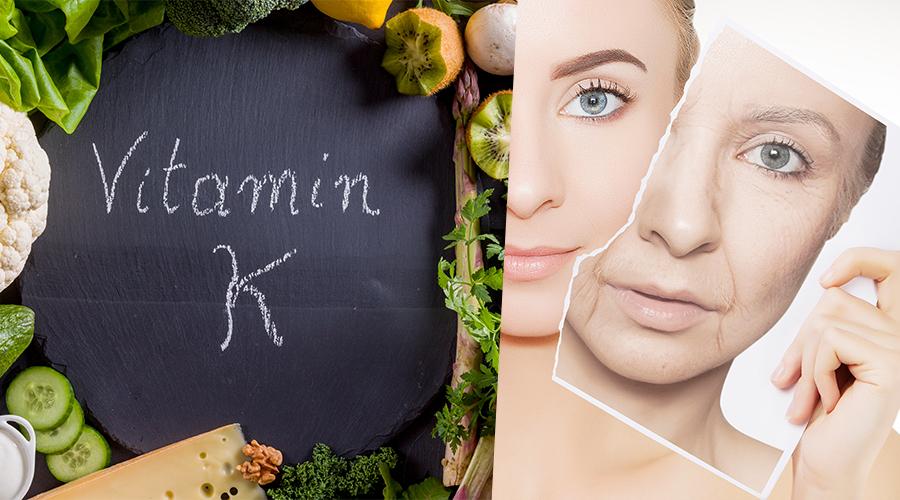
Healthy skin depends on a balanced combination of nutrients, proper care, and lifestyle habits. Among the essential nutrients that support skin health, vitamin K has gained attention for its potential role in improving the appearance and strength of the skin. Many skincare experts discuss vitamin k benefits for skin because this vitamin is believed to help with issues such as dark circles, bruising, and uneven skin tone.
People interested in natural skincare often explore vitamin k benefits for skin as part of a broader approach to maintaining healthier skin. Vitamin K works in several ways within the body, particularly by supporting proper blood circulation and assisting with the body’s natural healing processes. These functions can have a noticeable impact on skin appearance and overall Health and wellness.
What Are the Main Vitamin K Benefits for Skin?
Vitamin K plays an important role in supporting the skin’s ability to repair and maintain itself. One of the most commonly discussed vitamin k benefits for skin is its role in reducing the appearance of dark circles under the eyes. Because this nutrient supports healthy blood flow and helps strengthen blood vessel walls, it may contribute to a more even skin tone.
Another reason many skincare professionals talk about vitamin k benefits for skin is its potential to help reduce the appearance of bruising and redness. When applied through skincare products or obtained through diet, vitamin K may assist the body’s natural healing process. This supportive function contributes to healthier skin and fits well within a balanced Health and wellness routine.
How Does Vitamin K Support Skin Healing?
One important aspect of vitamin k benefits for skin is the vitamin’s involvement in the body’s natural healing mechanisms. Vitamin K contributes to the clotting process, which helps control minor bleeding beneath the skin and supports recovery after small injuries or cosmetic procedures.
This healing support can be beneficial for people who experience frequent bruising or minor skin damage. Over time, consistent skincare habits that include vitamin-rich products may improve the skin’s ability to recover and maintain a smoother appearance, highlighting the practical vitamin k benefits for skin.
Can Vitamin K Help Improve Skin Tone?
Uneven skin tone is a common concern for many individuals. Another aspect of vitamin k benefits for skin is its potential role in improving the appearance of discoloration and redness. By supporting healthy circulation, vitamin K may reduce the appearance of visible blood vessels that sometimes contribute to uneven tone.
Some topical skincare formulations include vitamin K as part of targeted treatments for discoloration. These products aim to support the natural functions of the skin and promote a more balanced complexion, which aligns with long-term Health and wellness goals.
Why Is Vitamin K Important for Skin Appearance?
Maintaining a youthful and vibrant appearance involves more than just cosmetic treatments. Nutrients such as vitamin K support internal processes that influence how the skin looks and feels. Understanding vitamin k benefits for skin helps individuals recognize the connection between nutrition and visible skin health.
Vitamin K contributes to the stability of capillaries and blood vessels beneath the skin. When these small vessels are stronger and more stable, they are less likely to cause discoloration or visible redness. This underlying support is one reason vitamin k benefits for skin are often discussed in skincare and Health and wellness conversations.
How Does It Affect Dark Circles Under the Eyes?
Dark circles are often related to blood vessel visibility and thin skin under the eyes. Vitamin K may help reduce their appearance by supporting proper blood circulation and strengthening delicate capillaries. These effects are frequently associated with vitamin k benefits for skin.
When vitamin K is included in eye creams or skincare treatments, it may assist in improving the appearance of the under-eye area over time. Regular use combined with proper sleep and hydration may enhance the visible vitamin k benefits for skin in this sensitive area.
Can Vitamin K Help With Redness and Inflammation?
Skin redness can occur due to irritation, environmental exposure, or sensitive skin conditions. Some skincare experts believe that vitamin k benefits for skin include helping calm redness and supporting the skin’s natural recovery process.
Although vitamin K is not a cure for inflammatory skin conditions, it may complement other skincare ingredients that focus on soothing the skin. In a balanced skincare routine, vitamin-rich products can contribute to improved skin comfort and better overall Health and wellness.
How Can You Include Vitamin K in Your Skincare Routine?
Incorporating vitamin K into a skincare routine can be done through both diet and topical products. Many leafy green vegetables such as spinach, kale, and broccoli are rich sources of vitamin K and support overall body health. These foods contribute to internal vitamin k benefits for skin by providing essential nutrients for the body.
Topical skincare products containing vitamin K are also widely available. Creams and serums designed for targeted areas like the under-eye region may help deliver vitamin k benefits for skin directly where they are needed. Including these products as part of a consistent skincare routine may support visible improvements.
What Skincare Products Contain Vitamin K?
Several skincare formulations now include vitamin K as a key ingredient. Eye creams, moisturizers, and specialized treatments may contain this nutrient to support skin repair and reduce discoloration. These products are designed to provide localized vitamin k benefits for skin.
When choosing a product, it is helpful to look for formulations that combine vitamin K with other supportive ingredients such as antioxidants or moisturizing agents. This combination can enhance the overall effectiveness of the product and support broader Health and wellness goals.
Are Natural Sources of Vitamin K Helpful for Skin?
Dietary intake plays an important role in maintaining healthy skin. Consuming foods rich in vitamin K supports the body’s natural processes that influence skin health. These natural sources contribute to long-term vitamin k benefits for skin by supporting circulation and tissue repair.
Leafy greens, herbs, and certain vegetables provide substantial amounts of vitamin K. Including these foods in daily meals supports internal nutrition while complementing topical skincare routines. This balanced approach reflects the connection between nutrition, skincare, and overall Health and wellness.
Final Thoughts
Vitamin K is an important nutrient that supports several processes related to skin health. From helping the body manage bruising to supporting circulation beneath the skin, vitamin k benefits for skin are often associated with improved skin tone and recovery. When included in both diet and skincare routines, vitamin K can contribute to a more balanced and healthier complexion.
Conclusion
Understanding vitamin k benefits for skin allows individuals to make informed choices about skincare and nutrition. By supporting blood circulation, assisting healing processes, and contributing to a more even skin tone, vitamin K can play a valuable role in maintaining healthy skin. Combining vitamin-rich foods, quality skincare products, and consistent care habits helps support long-term skin health and overall well-being.


