Notifications


10 minutes, 0 seconds
-256 Views 0 Comments 0 Likes 0 Reviews
Planning a trip to Central Africa? For Polish citizens, the Democratic Republic of the Congo (DRC) offers a world of untamed nature, from the volcanic peaks of Virunga to the bustling streets of Kinshasa. However, before you can embark on this journey, navigating the visa process is your first essential step.
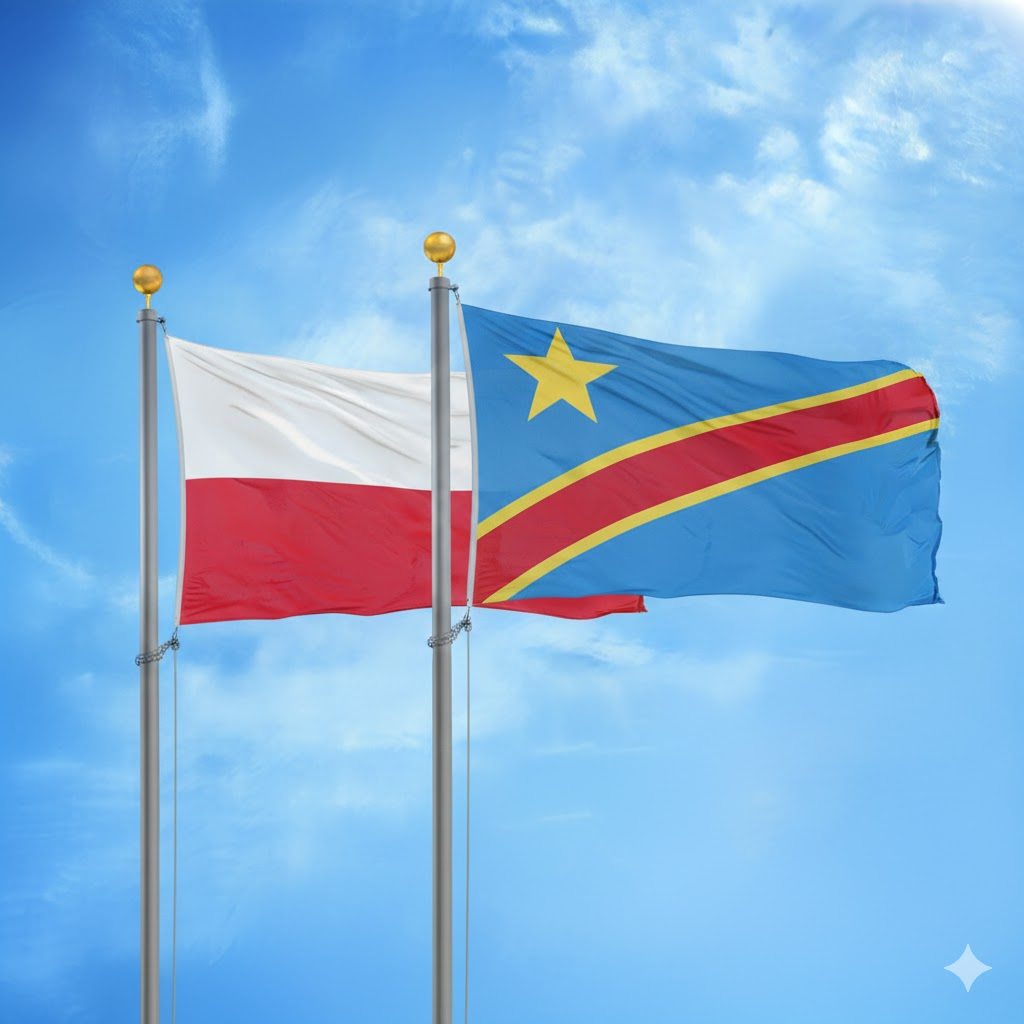
The DRC eVisa for Poland citizens (specifically the Ordinary Flying eVisa) has streamlined travel for international visitors. This guide provides a comprehensive breakdown of everything Polish travelers need to know, from document requirements to local travel tips.
Yes, Polish citizens must have a valid visa to enter the DRC. Fortunately, the country has moved toward a more modern system. While traditional paper visas are still an option at the Embassy in Berlin (which serves Poland), the Ordinary Flying eVisa is the most efficient choice for those arriving by air. This electronic authorization is mandatory for tourism, family visits, and business trips.
The "Ordinary Flying" designation refers to an entry permit specifically for those arriving via international airports, such as N'djili (Kinshasa) or Goma. It acts as a pre-approval from the Direction Générale de Migration (DGM). Upon landing, you present this document to receive your entry stamp. It is essential to understand that this visa does not grant permanent residency; it is strictly for short-term visits.
The application is conducted online. The process is broken down into:
To avoid rejection, Polish applicants should have the following digital files ready:
The eVisa system is strictly for Ordinary Polish Passports.
Timing your application is critical. The DRC eVisa Processing Time depends on the tier you select, as the government offers three levels of service:
Note: "Working days" do not include Saturdays, Sundays, or Congolese/Polish public holidays.
The standard eVisa is typically valid for a single entry.
Yes. Polish entrepreneurs and consultants can use the DRC Business eVisa. The requirements are similar to the tourist visa, but your Motivation Letter must be supplemented by an Invitation Letter from a registered Congolese company. Ensure the letter includes the company's "RCCM" number (registration) to prove its legitimacy.
Many applications are delayed due to simple errors. To avoid this:
If you are traveling as a group from Poland, you can often process applications together. This ensures that the whole family or tour group is approved at the same time, preventing the nightmare scenario where half the group is cleared for travel while the others are still "pending."
It is vital to know that all fees are non-refundable. Whether your application is rejected due to a typo or you decide to cancel your trip to the Congo, the government will not return the processing fees. Double-check every entry before clicking "Submit."
Yes, For those who have an emergency (such as a family matter or an urgent business contract), the Super Rush option is your best bet. However, always allow a 2-day "buffer" beyond the 5-8 day window to account for potential technical delays in the digital system.
Once you submit your application, you will receive a unique Order ID.

While in Kinshasa or Lubumbashi, ATMs are available, but they primarily dispense US Dollars (USD) or Congolese Francs. Most ATMs accept Visa cards, but Mastercard is less widely accepted. It is highly recommended to carry crisp, new USD bills (printed after 2013) as a backup, as many places do not accept credit cards.
If you intend to drive, your Polish license alone is insufficient. You must carry an International Driving Permit (IDP). Be warned: driving in the DRC is for the brave. Road conditions are poor, and "official" checkpoints are frequent. Always have your passport and visa copies within reach while driving.
The DRC is a secular country, and alcohol is widely available in supermarkets, bars, and restaurants. There are no strict religious prohibitions, but public intoxication can lead to trouble with local authorities. Always be respectful of local customs, especially in rural areas.
Traveling to the DRC is an adventure of a lifetime, but it requires diligent preparation. By securing your eVisa early and following the guidelines above, you’ll be well on your way to exploring the heart of Africa.


