Notifications

6 minutes, 57 seconds
-7 Views 0 Comments 0 Likes 0 Reviews
Comfort is pointless if your shoes give up when things get wet. Around water, footwear is tested quickly. Slippery surfaces, damp conditions, and constant movement expose weak grip and poor construction quickly. Shoes that cannot handle moisture turn into a problem instead of support. That is why choosing the right footwear for water-heavy environments is less about style and more about function.
Most men do not plan to step into water. It just happens. A dock, a shoreline, a boat ramp, sudden rain, or a wet deck. The moment your shoes meet moisture, their real quality shows. Some soak up water and stay heavy. Others lose traction and force you to slow down. The best options adapt without making you think twice.
Water changes everything. Surfaces become slick, materials behave differently, and foot stability becomes harder to maintain. Regular sneakers or casual shoes are not built for this. They absorb moisture, lose grip, and take forever to dry. Once that happens, every step feels uncomfortable and uncertain.
Footwear meant for mixed conditions needs to resist water without feeling stiff. It should allow drainage, dry quickly, and keep its shape even after repeated exposure. Without those basics, shoes stop being useful the moment they get wet.
Grip is not something you notice until it is gone. On wet ground, poor traction turns simple movement into careful calculation. You shorten your stride. You avoid certain surfaces. You stop moving naturally. That hesitation is what leads to slips and fatigue.
Good water-ready footwear maintains traction even when surfaces are slick. The sole pattern, rubber compound, and flexibility all matter. When grip holds, you move normally. When it does not, the shoes control your behavior instead of supporting it.
Most days are not spent entirely on land or entirely in water. They are a mix. One minute you are on pavement, the next on a wet dock or sandy shoreline. Shoes that work in only one environment force compromises in the other.
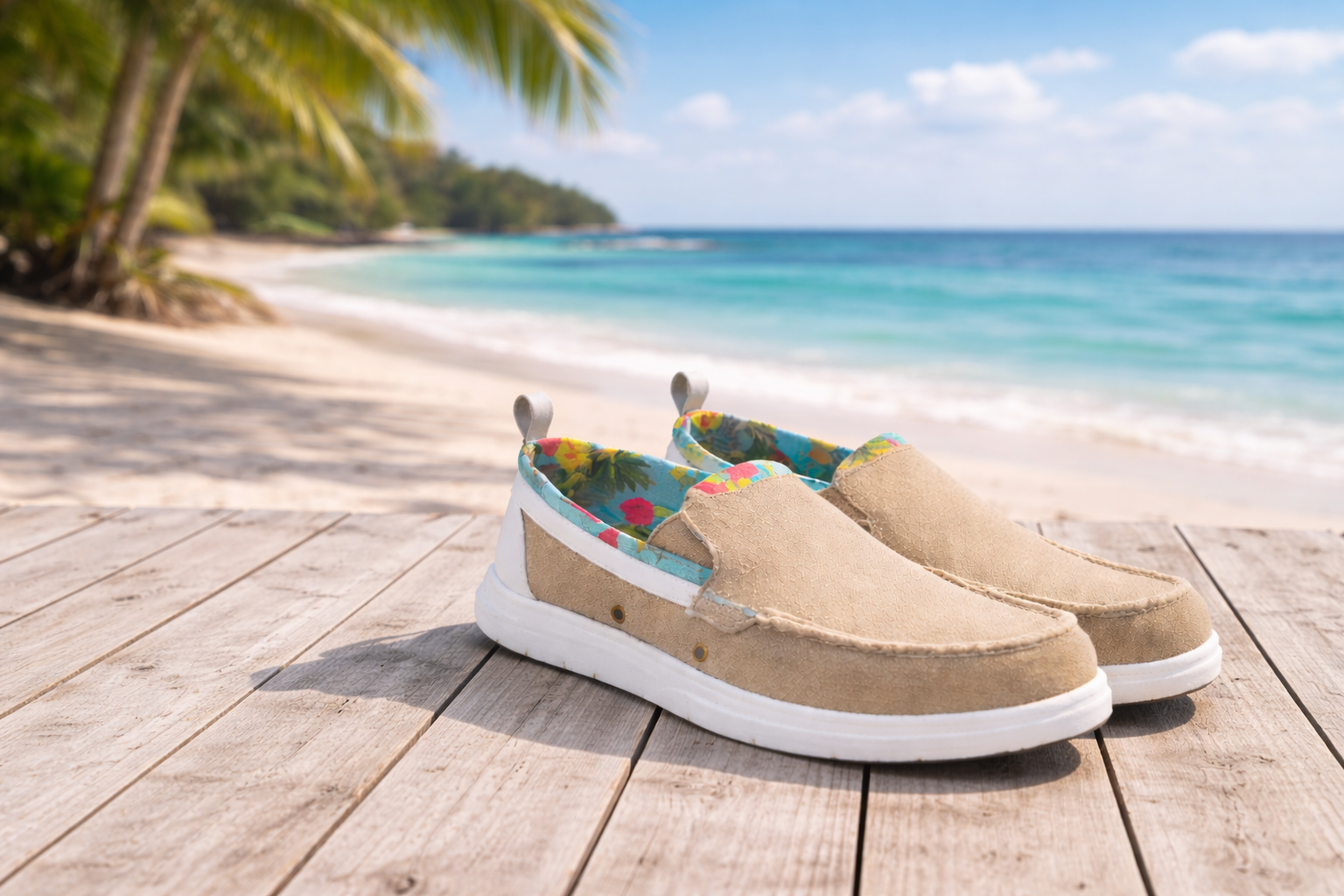
This is where footwear designed for versatility matters. Options like boat shoes for men are built to handle transitions. They provide traction on wet surfaces while staying comfortable enough for extended wear on dry ground. That balance is what makes them practical, not just situational.
There is a point where everyday shoes simply stop working. Once they are soaked, they stay uncomfortable. Padding holds water. Materials stretch or stiffen. Odor builds up fast. At that stage, comfort is gone and performance is already lost.
Purpose-built options are designed to avoid these problems. They use materials that shed water, dry quickly, and resist breakdown. Instead of becoming a burden, they recover fast and stay usable throughout the day.
Some people avoid boat shoes because they expect them to feel rigid or narrow. Modern designs have moved past that. Today’s boat shoes men actually wear are flexible, breathable, and shaped for all-day comfort. They are not limited to boats. They work just as well on docks, near water, and even on casual outings.
The key difference is how they handle moisture. Non-marking soles, water-friendly materials, and stable construction allow them to perform without feeling specialized or restrictive.
No one wants to walk around in soaked shoes for hours. Quick drying is not a luxury; it is a necessity near water. Shoes that dry fast reduce discomfort, prevent skin irritation, and help maintain hygiene over long wear.
This is where water shoes for men make sense in certain situations. They are built specifically to drain and dry quickly. While they may not replace everyday footwear, they are ideal for activities where water exposure is constant and unavoidable.
Initial comfort means nothing if it disappears after an hour. Long days near water demand footwear that holds up over time. Cushioning, breathability, and fit all play a role. Shoes should support natural movement without forcing adjustments throughout the day.
The best designs feel consistent. They do not get heavier when wet. They do not rub once moisture is involved. They simply continue doing their job without drawing attention.
Carrying multiple pairs of shoes is inconvenient. Most men want one reliable option that can handle different conditions. Whether it is dry ground, wet surfaces, or a mix of both, the goal is simplicity.
Choosing the right pair means fewer compromises. You move freely, stay comfortable, and do not need to plan around your footwear. That is real usability.
For men looking for footwear that performs around water without sacrificing everyday comfort, Hosers focuses on designs that balance grip, durability, and wearability. Instead of forcing you to choose between dry land shoes and water-specific options, the goal is to offer footwear that works wherever the day takes you.