Notifications

6 minutes, 4 seconds
-65 Views 0 Comments 0 Likes 0 Reviews
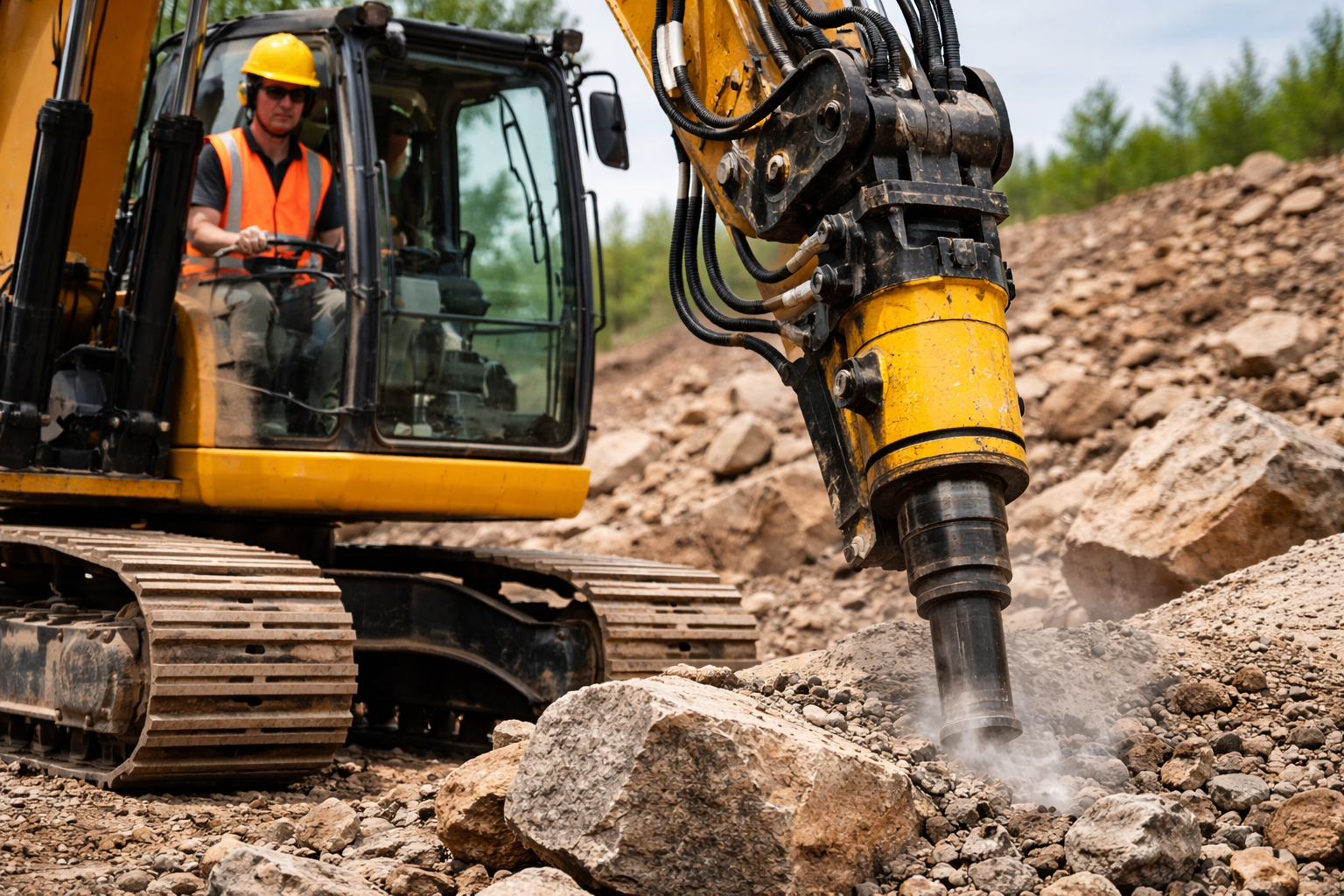
Excavator drills are essential tools in construction, mining, and demolition projects, offering precision and efficiency in drilling through tough surfaces such as rock and concrete. However, to achieve optimal performance and ensure safety, it is important to follow best practices when operating these machines. Proper handling not only improves productivity but also extends the lifespan of the equipment.
Understand the Equipment
Before operating, it is crucial to fully understand the functionality and specifications of the machine. Excavator drills come in various sizes and configurations, each designed for specific applications. Operators should carefully read the manufacturer’s manual and familiarize themselves with controls, attachments, and safety features. Knowing the machine’s capabilities helps in selecting the correct drilling method and avoiding unnecessary strain on the equipment.
Conduct Pre-Operation Inspections
A thorough inspection before starting work can prevent unexpected breakdowns and accidents. Check hydraulic systems, hoses, and connections for leaks or damage. Ensure that drill bits are sharp and properly secured. Inspect the excavator’s overall condition, including fuel levels, engine performance, and structural integrity.
Regular inspections help maintain the efficiency of excavator drills and reduce downtime caused by mechanical failures. Addressing minor issues early can prevent costly repairs and delays later in the project.
Choose the Right Drill Attachment
Selecting the appropriate drill attachment is key to successful operations. Different materials require different types of drill bits and attachments. For example, rock drilling requires heavy-duty bits, while softer soils may need lighter equipment.
Using the wrong attachment can lead to inefficient drilling, increased wear and tear, and even equipment damage. Matching the attachment to the task ensures smoother operation and better results.
Maintain Proper Positioning
Correct positioning of the excavator is critical for both safety and efficiency. The machine should be placed on stable ground to prevent tipping or instability during operation. Align the drill perpendicular to the surface being drilled to ensure accurate and efficient penetration.
Improper positioning can cause uneven drilling, excessive vibration, and unnecessary stress on the equipment. Maintaining a steady and balanced position allows the excavator drills to operate at their full potential.
Use Controlled and Steady Pressure
Applying the right amount of pressure is essential for effective drilling. Excessive force can damage the drill bit and reduce efficiency, while too little pressure may slow down the process. Operators should apply steady, controlled pressure and allow the drill to do the work.
Consistent operation not only improves drilling speed but also minimizes wear on the equipment. This approach helps maintain the performance of excavator drills over time.
Monitor Operating Conditions
Keeping an eye on operating conditions is another important practice. Factors such as temperature, vibration, and noise levels can indicate potential issues. Overheating or unusual vibrations may signal mechanical problems that need immediate attention.
Regular monitoring allows operators to make adjustments in real time, ensuring smooth and efficient operation. It also helps in preventing accidents and equipment damage.
Follow Safety Guidelines
Safety should always be a top priority when operating heavy machinery. Operators must wear appropriate personal protective equipment (PPE), including helmets, gloves, and safety glasses. Ensure that the work area is clear of obstacles and unauthorized personnel.
Proper training is essential to handle the equipment safely. Following established safety protocols reduces the risk of accidents and creates a secure working environment for everyone on site.
Perform Routine Maintenance
Routine maintenance is vital for keeping equipment in top condition. Regularly clean the drill, lubricate moving parts, and replace worn components. Scheduled servicing ensures that the machine operates efficiently and reliably.
Well-maintained excavator drills not only perform better but also have a longer operational life. Investing time in maintenance can significantly reduce operational costs in the long run.
Train Operators Effectively
Skilled operators play a major role in maximizing efficiency and safety. Providing proper training ensures that operators understand the equipment and can handle it confidently. Training programs should include practical sessions, safety procedures, and troubleshooting techniques.
Experienced operators can identify potential issues early and adjust their methods accordingly. This leads to improved productivity and better overall performance.
Operating drilling equipment effectively requires a combination of knowledge, skill, and attention to detail. By following best practices such as proper inspection, correct attachment selection, controlled operation, and regular maintenance, operators can achieve optimal results. Excavator drills are powerful tools, and when used correctly, they enhance productivity while ensuring safety and durability on the job site.


