Notifications

11 minutes, 42 seconds
-55 Views 0 Comments 0 Likes 0 Reviews
Music Therapy for Stress Relief is gaining attention among health-conscious individuals searching for safer and more sustainable sleep solutions. In today’s fast-paced Indian lifestyle, stress has quietly become one of the biggest contributors to poor sleep. Long working hours, digital overload, academic pressure, and emotional fatigue disturb our natural sleep cycle. While some people explore medical sleep aids, others seek complementary approaches that address the root cause — stress itself.
Music therapy offers a scientifically supported, non-invasive method to calm the nervous system. Research from institutions such as the National Institutes of Health and information available on Wikipedia – Music Therapy highlight how structured sound interventions influence brain chemistry, heart rate, and emotional regulation.
For individuals wondering can i buy zopiclone online, it is equally important to understand non-drug approaches that may reduce dependency risks and support overall wellbeing. A balanced strategy combining medical guidance and natural therapies often delivers the safest outcomes.
Understanding Stress and Its Impact on Sleep
Stress activates the sympathetic nervous system, triggering the fight-or-flight response. This increases cortisol levels, elevates heart rate, and keeps the brain alert when it should be winding down.
Chronic stress can lead to:
Difficulty falling asleep
Frequent night awakenings
Light, non-restorative sleep
Morning fatigue
Irritability and anxiety
Scientific evidence confirms that relaxing music slows breathing rate and reduces blood pressure. According to research published by health institutions globally, calming audio patterns influence the limbic system, the emotional centre of the brain.
Some individuals dealing with persistent insomnia may come across terms like zopivane 7.5 mg while researching sleep medications. However, it is essential to understand that medication should always be used under professional supervision, whereas music therapy can be safely practised as a complementary lifestyle intervention.
Music Therapy for Stress Relief and Brain Science
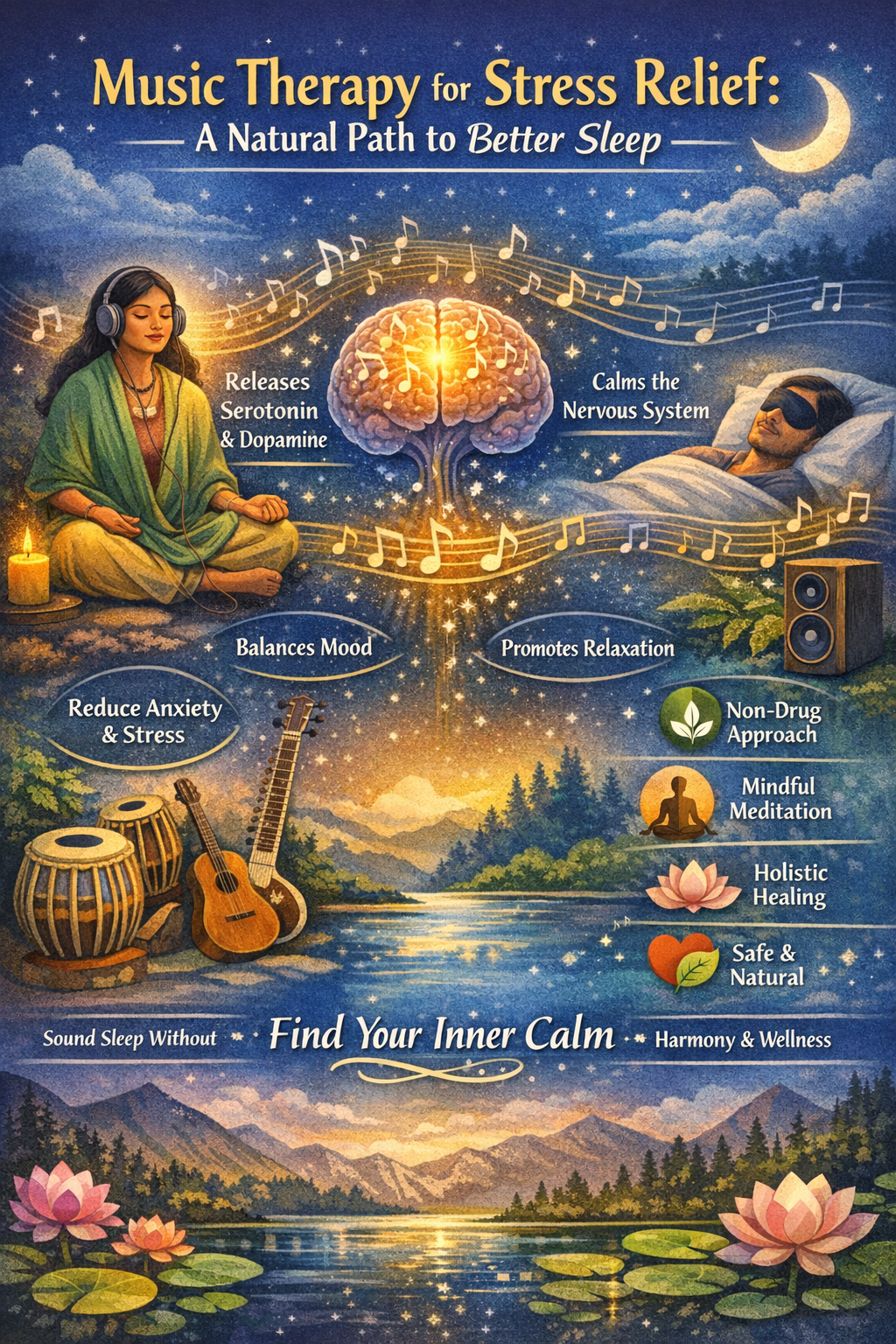
Music Therapy for Stress Relief works by stimulating the release of dopamine and serotonin, neurotransmitters associated with pleasure and emotional stability. When slow-tempo music plays, brain waves gradually shift toward alpha and theta states — patterns linked to relaxation and pre-sleep readiness.
Regulates cortisol levels
Improves parasympathetic activation
Enhances emotional processing
Reduces perceived pain and anxiety
Supports melatonin production indirectly
According to findings referenced by institutions such as Harvard Medical School, calming music before bedtime improves subjective sleep quality. Music therapy sessions led by certified therapists are structured and evidence-based, not random playlists.
Some readers exploring pharmaceutical options might search buy zopiclone online uk, but health experts consistently advise that medication is most effective when combined with behavioural strategies such as relaxation techniques, sleep hygiene, and stress management practices like music therapy.
Types of Music Used in Therapy
Not all music has the same effect. Structured music therapy focuses on:
Classical instrumental compositions
Soft devotional or meditative chants
Nature sounds blended with ambient tones
Slow rhythmic acoustic music
Guided relaxation audio
Tempo generally remains slow and steady. Lyrics are often avoided to prevent cognitive stimulation. Repetitive rhythm encourages the brain to settle.
In India, traditional ragas performed at specific times of the day have historically been associated with mood regulation. This cultural connection makes music therapy especially relatable to Indian audiences seeking holistic healing.
Clinical Evidence Supporting Music Therapy
Music therapy is not merely a wellness trend. It is recognised as a therapeutic discipline in many countries.
Factual evidence includes:
Studies show calming music reduces anxiety in hospital patients.
Research indicates improved sleep latency among adults exposed to relaxing music before bedtime.
Medical settings use music therapy to support mental health treatment.
The British Association for Music Therapy and similar organisations globally promote structured training for certified practitioners. Evidence suggests that consistent sessions over several weeks yield measurable improvements in emotional stability.
For individuals considering whether to buy zopiclone in the uk, it is advisable to consult a qualified healthcare professional first. Combining therapy-based stress management with medical advice ensures safer decision-making.
Music Therapy for Stress Relief as a Complement to Sleep Medication
Music Therapy for Stress Relief does not replace medical treatment when clinically necessary. However, it can reduce reliance on short-term sleep solutions by addressing stress triggers.
Sleep medications like those described in a zopiclone 7.5 pil document typically include guidance on dosage, precautions, and side effects. These medicines act on brain receptors to promote sedation. While effective for short durations, long-term unsupervised use may lead to dependency or tolerance.
Music therapy, in contrast:
Has no pharmacological side effects
Encourages emotional resilience
Improves long-term coping mechanisms
Enhances bedtime routine consistency
An integrated plan under medical supervision may include:
Sleep hygiene correction
Scheduled music relaxation sessions
Cognitive behavioural strategies
Temporary medication if prescribed
This balanced approach reflects modern, evidence-based sleep care.
How to Practise Music Therapy at Home
You do not need advanced equipment to begin. Follow these steps:
Dim lights, reduce screen exposure, and maintain a comfortable room temperature.
Choose slow, instrumental tracks with consistent rhythm.
Low volume is sufficient. Loud sound can stimulate rather than relax.
Play the same type of music nightly to train your brain for sleep association.
Deep diaphragmatic breathing enhances effectiveness.
Over time, your brain begins associating specific sounds with rest, creating a conditioned relaxation response.
Music Therapy for Stress Relief in Indian Lifestyle Context
Music Therapy for Stress Relief fits beautifully within Indian cultural traditions. Classical ragas, bhajans, flute melodies, and nature-inspired compositions align with centuries-old wellness practices.
In a society where work pressure, competitive exams, and family responsibilities often elevate stress levels, accessible therapies are crucial. Music requires no prescription and minimal financial investment, making it an inclusive option.
Urban professionals, students, and homemakers alike can incorporate:
Evening devotional music
Guided meditation tracks
Instrumental flute or veena compositions
Ocean wave ambient recordings
Evidence from mental health research institutions indicates that routine relaxation practices significantly improve emotional regulation.
Role of Professional Music Therapists
Certified music therapists undergo specialised training. Their sessions may include:
Active music creation
Guided imagery with music
Structured listening programmes
Emotional expression exercises
Therapists assess individual needs and customise sessions accordingly. This structured approach distinguishes clinical music therapy from casual listening.
If insomnia persists beyond several weeks despite lifestyle changes, professional evaluation is necessary. Sleep disturbances can signal underlying conditions such as anxiety disorders or circadian rhythm imbalances.
Safety, Balance, and Responsible Choices
Health-conscious readers must prioritise informed decisions. While music therapy is safe, medical sleep aids should only be used responsibly under supervision.
A trustworthy wellness strategy includes:
Evidence-based research
Consultation with licensed professionals
Avoidance of self-medication
Awareness of potential side effects
Gradual lifestyle improvements
EEAT principles — Experience, Expertise, Authoritativeness, and Trustworthiness — guide responsible health communication. Always rely on credible medical sources for treatment decisions.
Music Therapy for Stress Relief: Building Long-Term Sleep Resilience
Music Therapy for Stress Relief supports sustainable sleep improvement by calming the nervous system, improving mood balance, and reducing anxiety triggers. Rather than offering instant sedation, it nurtures emotional health gradually.
Sleep is not just about closing the eyes; it is about achieving deep physiological restoration. When stress reduces, natural sleep follows.
Frequently Asked Questions
Yes, research published by medical institutions confirms that slow-tempo music can reduce sleep latency and improve perceived sleep quality.
Yes, music therapy has no known pharmacological side effects when practised responsibly at moderate volume.
In mild stress-related insomnia, behavioural therapies may reduce the need for medication, but clinical insomnia requires professional evaluation.
Studies suggest that listening for around thirty to forty-five minutes before sleep can help induce relaxation.
Yes, certified music therapists use structured, evidence-based techniques tailored to individual psychological needs.
Conclusion – An Influencer’s Perspective
Music Therapy for Stress Relief has personally transformed the way I view sleep wellness. As someone who interacts daily with health-conscious communities, I strongly believe in combining science-backed therapies with mindful living. Quick fixes may seem attractive, but long-term peace comes from addressing stress at its core.
When we prioritise emotional balance, practise calming routines, and consult professionals responsibly, sleep improves naturally. Music is not merely sound; it is therapy, tradition, and transformation working together.
Choose informed decisions. Choose balance. Choose wellbeing.
Purchase Zopiclone sleeping tablet sleeping medicine sleeping pill zopiclone online uk zopiclone direct uk