Notifications

5 minutes, 57 seconds
-43 Views 0 Comments 0 Likes 0 Reviews
A compactor vibrating plate is an essential piece of equipment in construction, landscaping, and roadwork projects. It is primarily used to compact soil, gravel, sand, and asphalt to create a stable and durable surface. Choosing the right machine can significantly impact the efficiency and quality of your work. To make an informed decision, it is important to understand the key features that define a reliable and high-performing compactor vibrating plate.
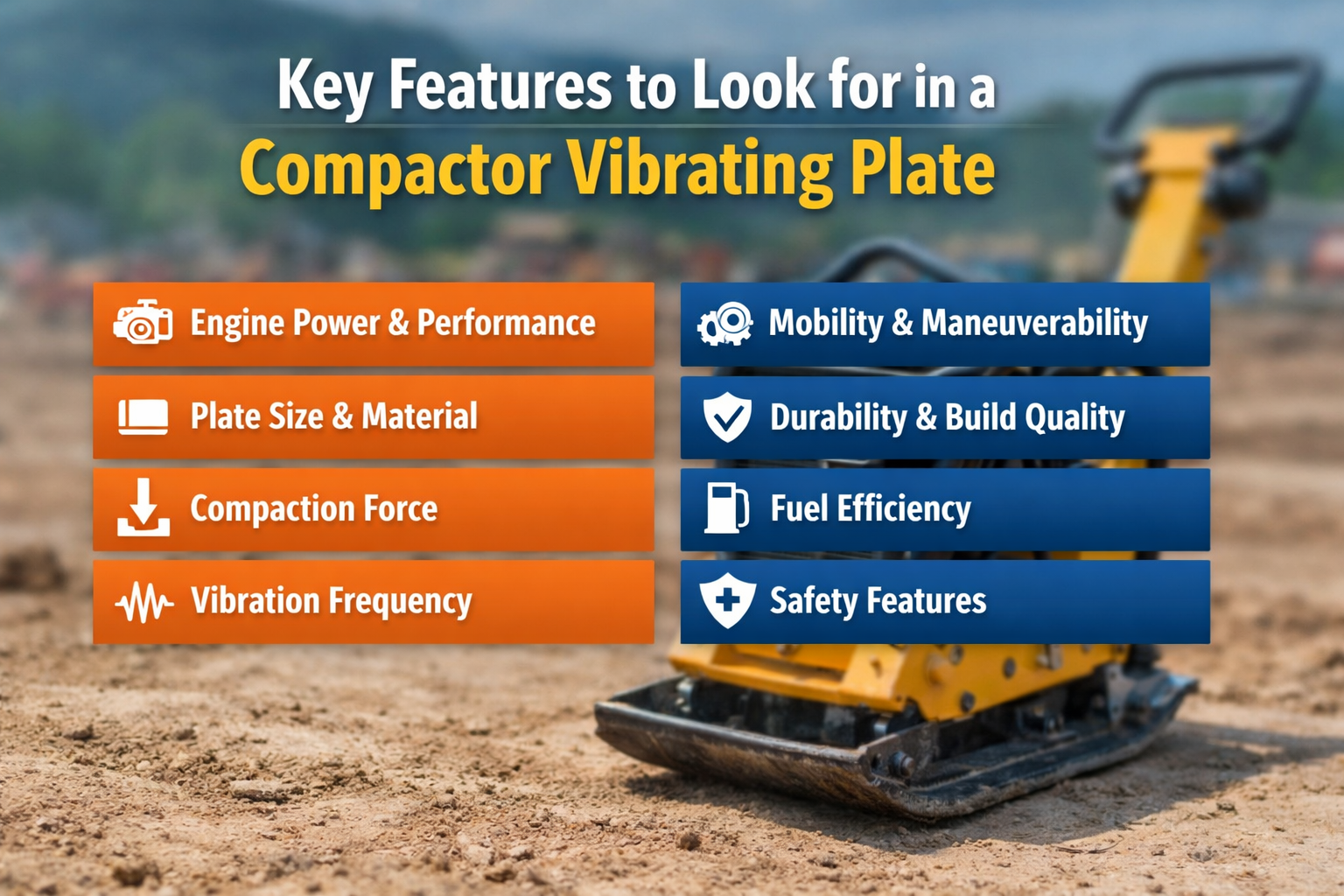
1. Engine Power and Performance
One of the most critical features to consider is the engine power. The strength of the engine directly affects the compaction force and overall efficiency of the equipment. Machines with higher horsepower can handle tougher materials and larger areas more effectively. When selecting a compactor vibrating plate, ensure the engine is powerful enough to meet the demands of your specific project. A well-balanced engine also ensures smooth operation and reduces operator fatigue.
2. Plate Size and Material
The size and material of the plate play a major role in determining the coverage area and compaction quality. Larger plates are ideal for big, open spaces as they can cover more ground quickly, while smaller plates are better suited for tight or confined areas. Additionally, plates made from high-quality steel offer better durability and resistance to wear and tear. A sturdy base ensures consistent performance, even under heavy-duty conditions.
3. Compaction Force
Compaction force, often measured in kilonewtons (kN), indicates the strength with which the machine compresses materials. A higher compaction force is necessary for dense soils and heavy-duty tasks, whereas a lower force may be sufficient for lighter applications like landscaping. Understanding your project requirements will help you choose a compactor vibrating plate with the appropriate force to achieve optimal results.
4. Vibration Frequency
Vibration frequency determines how quickly the plate moves and compacts the material. Higher frequency machines are generally more efficient and provide smoother finishes, especially when working with granular soils. However, the right balance between frequency and force is crucial. A well-designed compactor vibrating plate will offer consistent vibration to ensure uniform compaction without damaging the surface.
5. Mobility and Maneuverability
Ease of movement is another important factor to consider. Lightweight models are easier to transport and maneuver, making them ideal for small to medium-sized projects. On the other hand, heavier machines provide better compaction but may require additional effort to handle. Features such as ergonomic handles, wheels, and compact design can greatly improve usability and reduce operator strain.
6. Durability and Build Quality
Construction equipment must withstand harsh working conditions, and durability is a key consideration. Look for machines made with robust materials and reinforced components. A high-quality compactor vibrating plate will have protective covers for critical parts like the engine and belts, ensuring long-term reliability. Investing in a durable machine reduces maintenance costs and extends its lifespan.
7. Fuel Efficiency
Fuel consumption is an important factor, especially for long-duration projects. Efficient engines not only save fuel costs but also reduce environmental impact. Modern machines are designed with advanced technology to optimize fuel usage while maintaining high performance. Choosing a fuel-efficient compactor vibrating plate can significantly lower operational expenses over time.
8. Safety Features
Safety should never be overlooked when working with heavy machinery. Look for features such as anti-vibration handles, emergency shut-off switches, and protective guards. These features help minimize the risk of accidents and ensure a safer working environment. Proper safety measures also enhance operator comfort and productivity.
9. Maintenance Requirements
Easy maintenance is essential for keeping your equipment in top condition. Machines with accessible components and simple servicing requirements save time and effort. Regular maintenance ensures consistent performance and prevents unexpected breakdowns. Before purchasing, check the availability of spare parts and service support.
10. Versatility and Application Range
Finally, consider the versatility of the equipment. Some models are designed to handle multiple types of materials and applications, from soil compaction to asphalt work. A versatile machine can be a valuable investment, allowing you to use it across various projects without needing additional equipment.
Selecting the right compactor vibrating plate requires careful evaluation of several features, including engine power, plate size, compaction force, and durability. By understanding these key aspects, you can choose a machine that meets your specific needs and delivers efficient, high-quality results. Investing in the right equipment not only improves productivity but also ensures long-term reliability and cost-effectiveness in your construction projects.


