Notifications

6 minutes, 37 seconds
-391 Views 0 Comments 0 Likes 0 Reviews
Upgrading your floor with a new hoist or lift isn't strictly a budget concern. In fact, success depends on it. If you get the right gear, your team stays safe and the workflow hums. If you get it wrong, you’re looking at a $50,000 paperweight that’s either constantly in the shop or, worse, a safety liability waiting to happen.
Choosing the right material-lifting equipment means looking past the shiny brochure and figuring out how that machine will survive your specific daily grind. Here’s what you need to be thinking about before you sign on the dotted line.
Before you even talk to a vendor, look at what you’re actually moving.
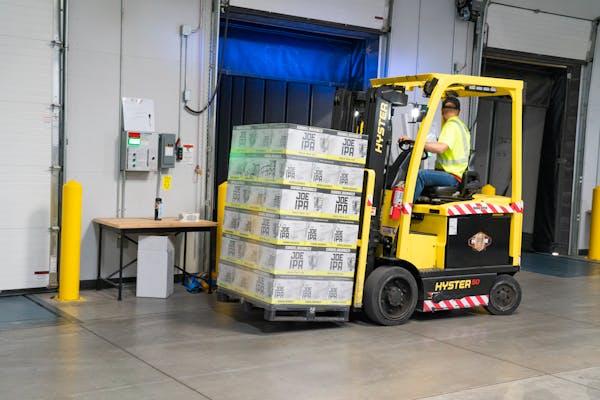
● The Shape of the Job: Weight isn’t the only thing you need to consider. The type of material you are moving affects which equipment you choose. Moving standard pallets or awkward top-heavy machinery each require a different approach. If the load is fragile, raw power won't help. You need precision controls that don't move aggressively when engaged.
● The Duty Cycle Trap: Most machines have a limit. A lift that’s fine for three or four picks an hour might literally melt down if you try to run it 24/7. Always spec for your peak busy times, not your average slow morning.
The location your lift will be placed is another key factor to consider. If you're indoors, you probably need clean, quiet electric power. If you're outside in the dirt, you need the torque of a diesel or a heavy-duty hydraulic setup.
● Maneuverability: If your aisles are tight or your ceilings are low, that massive lift you liked might not even be able to make the turn.
● The Floor Factor: Don't forget about the ground. A high-capacity mobile lift exerts massive pressure. If your floor isn't rated for that point-load, you’re going to end up with cracked concrete and a tilted rig.
Going through the motions isn’t enough. You need to understand the "why."
● Padding Your Capacity: Never buy a lift rated exactly for your heaviest load. Give yourself a 20% safety buffer. It reduces strain on the motor and frame, saving you a fortune in maintenance later.
● Stability vs. Height: As things go up, they get wobbly. Make sure the rig maintains its capacity at the full extension, not just when the forks are two feet off the ground.
● The Power Source: Electric is low-maintenance, but only makes sense if you have the charging infrastructure to support it. If you can't afford the downtime to plug it in, a swappable propane tank might be the more "human" solution for a busy shift.
A single accident can shut your facility down for weeks. Safety is your baseline for productivity, not an add-on.
● The Standards: Every piece of iron you buy needs to meet OSHA and ANSI standards. Period.
● Active Tech: Look for fail-safes. You want emergency stops that are actually reachable, sensors that prevent the machine from lifting if the load is off-balance, and stability alarms that catch a mistake before it becomes a disaster.
The sticker price is only the beginning cost. The real cost is what you spend over the next ten years.
● The Easy Fix: Basic maintenance needs to be easy to handle. If you need a specialized tech for every grease point or minor sensor tweak, your downtime is going to skyrocket.
● Parts and Support: This is where many companies get burned. If a $100 part has to ship from overseas and takes three weeks to arrive, your line is dead.
This is why most floor managers prefer working with veterans like Indoff. You don't want a cookie-cutter solution. You want a professional who helps you spec the right solution for your specific floor plan and then sticks around to make sure it keeps running.
The best lift in the world is the one your team actually trusts to use. When you balance raw capacity with real-world ergonomics and a solid support network, you are not only moving pallets, you’re moving the needle on your ROI.