Notifications

6 minutes, 35 seconds
-17 Views 0 Comments 0 Likes 0 Reviews
Kerala’s traditional clothing reflects the culture, climate, and history of the region. Among these garments, the mundu holds a special place in everyday life and ceremonial traditions. While a regular mundu is commonly worn as daily attire, the Kerala Kasavu Mundu stands out as a symbol of elegance and cultural pride. Understanding the difference between these two garments helps appreciate why the kasavu mundu is considered so special in Kerala traditions.
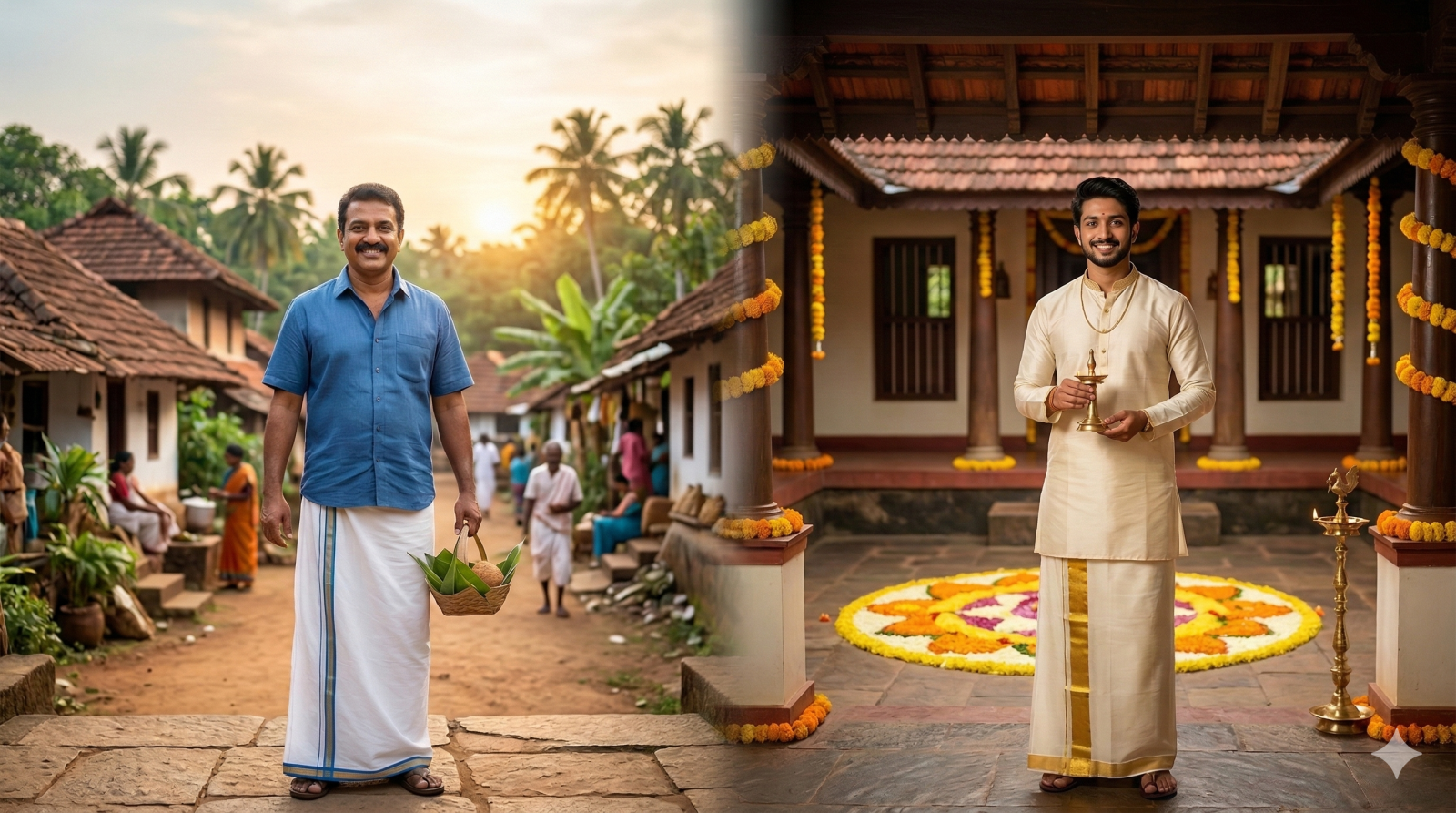
A mundu is a traditional garment worn around the waist, similar to a dhoti or sarong. It is typically a rectangular piece of cloth wrapped around the lower body and worn by men across Kerala. Women also wear a variation called mundu-neriyathu or set mundu as part of traditional attire.
Mundus are generally made from cotton fabric, which is lightweight and breathable. This makes them ideal for Kerala’s tropical climate, where comfort and airflow are important.
In daily life, a simple mundu is often paired with a shirt or traditional kurta, making it suitable for casual activities, work, and local gatherings.
A Kerala Kasavu Mundu is a more refined and ceremonial version of the traditional mundu. The main feature that distinguishes it is the “kasavu” border, which is woven using gold or gold-colored zari threads.
The base color of a kasavu mundu is typically white or off-white, symbolizing purity and simplicity. The golden border adds a touch of richness and elegance, making it appropriate for festivals, weddings, temple visits, and cultural celebrations.
Historically, the kasavu border was even woven with real gold threads, which made the garment a symbol of wealth and status.
Because of its cultural significance and decorative details, the kasavu mundu is often considered the formal or festive version of the mundu.
The most obvious difference lies in the design.
Regular Mundu: Usually plain white or cream with a simple colored border.
Kasavu Mundu: Features a distinctive golden zari border called kasavu.
The gold border creates a striking contrast against the white fabric, making the kasavu mundu visually more attractive and ceremonial.
Regular mundus are commonly worn in everyday life across Kerala. They are practical and comfortable for daily activities.
The kasavu mundu, however, carries strong cultural symbolism. It is traditionally worn during important events such as:
Onam celebrations
Vishu festivals
Weddings and engagements
Temple rituals
Cultural performances
Because of this association with special occasions, the kasavu mundu represents tradition, respect, and heritage.
Both garments are usually made from cotton, but kasavu mundus often use higher-quality handloom fabrics.
Traditional kasavu garments are produced in famous weaving centers such as Balaramapuram, Chendamangalam, and Kuthampully, which are known for their heritage handloom techniques.
This craftsmanship gives the kasavu mundu a more refined texture and durability.
A regular mundu is generally more affordable because it has a simple design and minimal decorative work.
In contrast, kasavu mundus tend to be more expensive due to:
Zari weaving on the border
Handloom production
Cultural demand during festivals and weddings
The cost may vary depending on the thickness and quality of the kasavu border.
Another major difference is the purpose for which they are worn.
Regular Mundu:
Daily wear
Casual outings
Work or household use
Kasavu Mundu:
Festivals and religious ceremonies
Weddings and formal functions
Cultural events and traditional celebrations
In many families, wearing a kasavu mundu during festivals is considered a sign of respect for tradition.
The Kerala Kasavu Mundu is more than just clothing—it represents the identity and cultural heritage of Kerala. Its elegant white fabric combined with a gold border reflects a balance between simplicity and luxury.
The garment also carries centuries of tradition, as the weaving techniques and designs have been passed down through generations of artisans. Even today, wearing a kasavu mundu during major celebrations connects people to their roots and cultural values.
In modern times, the kasavu mundu continues to evolve with new designs, wider borders, and subtle patterns, yet it still retains its timeless charm.
Both the regular mundu and the Kerala Kasavu Mundu are essential parts of Kerala’s traditional clothing. The regular mundu is practical, comfortable, and widely used for everyday wear. The kasavu mundu, however, stands apart because of its golden border, superior craftsmanship, and cultural significance.
While simple in appearance, the kasavu mundu represents elegance, tradition, and pride in Kerala’s heritage. Whether worn during Onam, weddings, or temple visits, it remains one of the most iconic and respected garments in Kerala culture.


