Notifications

6 minutes, 23 seconds
-32 Views 0 Comments 0 Likes 0 Reviews
The modern cockpit is undergoing its most significant transformation since the introduction of glass cockpits in the 1980s. As aerospace manufacturers and system integrators design next-generation platforms, rugged touch screen displays are revolutionizing how pilots and operators interact with increasingly complex aircraft systems. This evolution toward smart cockpit technology represents more than a cosmetic upgrade-it's a fundamental shift in human-machine interaction that promises to enhance situational awareness, reduce pilot workload, and improve mission effectiveness.
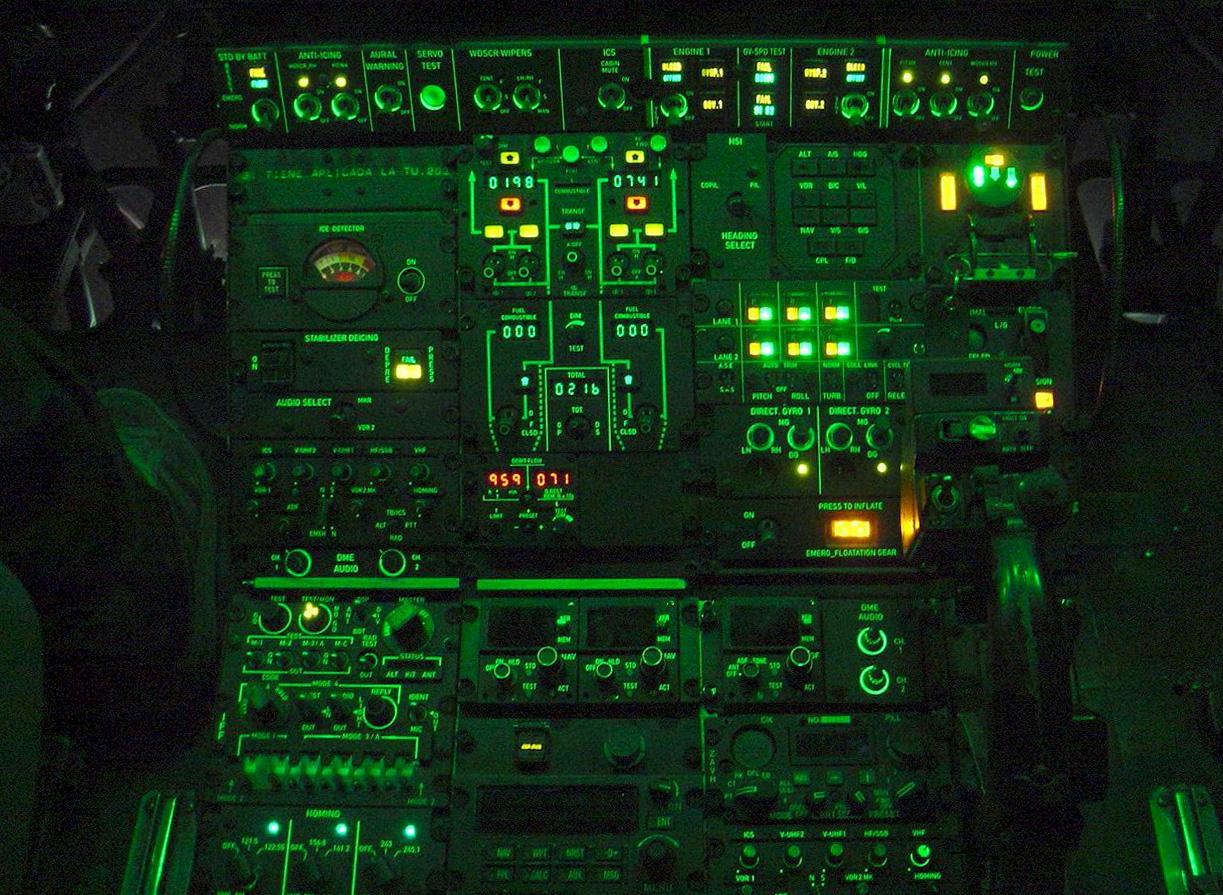
Traditional cockpit designs relied on dedicated mechanical switches, knobs, and buttons-one physical control for each function. While proven and familiar, this approach created increasingly cluttered cockpits as aircraft systems grew more sophisticated. Modern fighter jets and commercial airliners can have hundreds of discrete controls, contributing to pilot workload and creating opportunities for mode confusion.
Rugged touch screen displays enable dynamic, context-sensitive interfaces that present only relevant controls and information for each phase of flight. A single multi-function display can replace dozens of dedicated instruments and controls, dramatically simplifying the physical cockpit layout while actually expanding functional capability. This approach, pioneered in consumer electronics but now matured for aerospace environments, allows for software-defined cockpits that can be updated and enhanced throughout the platform's lifecycle.
What distinguishes smart cockpit technology from simple touchscreen implementations is the integration of advanced software intelligence with the touch interface. Modern systems incorporate predictive algorithms that anticipate pilot needs, prioritize critical alerts, and automatically reconfigure displays based on flight phase and mission parameters.
For example, during takeoff, the system might emphasize engine parameters and flight control surfaces. As the aircraft transitions to cruise, navigation and systems management information becomes prominent. During approach and landing, the display automatically prioritizes runway information, approach guidance, and landing configuration. This intelligent adaptation reduces the cognitive burden on pilots, allowing them to focus on decision-making rather than information management.
Advanced rugged touch screen displays in smart cockpits also support gesture-based controls, multi-touch operations, and haptic feedback. Pilots can use familiar gestures-pinch to zoom, swipe to pan-to interact with moving maps and tactical displays. Touch and drag interfaces simplify complex tasks like flight plan modification and systems configuration.
Consumer touchscreen technology fails quickly in aerospace environments. Military pilots wear gloves. Commercial pilots operate in bright sunlight and experience turbulence. Helicopter crews face continuous vibration. These operational realities demand rugged touch screen displays engineered specifically for aviation use.
Advanced projected capacitive touch technology with specialized algorithms enables reliable operation through flight gloves while maintaining the sensitivity needed for bare-hand use. Touch rejection algorithms filter out false inputs from vibration and inadvertent contact while preserving intentional control inputs. Optical bonding and high-brightness LED backlighting (typically exceeding 1000 nits) ensure readability in direct sunlight-a critical requirement for cockpit displays that may face east during dawn operations or west during sunset.
The displays must also meet stringent environmental qualifications including MIL-STD-810 (shock, vibration, temperature, humidity) and DO-160 (electromagnetic interference, lightning, altitude) certifications. This level of ruggedization ensures that smart cockpit technology remains operational across the full spectrum of aerospace environments, from desert heat to arctic cold, from sea-level humidity to high-altitude operations.
As cockpits become more software-defined, cybersecurity emerges as a critical concern. Modern smart cockpit technology incorporates multiple layers of security including secure boot processes, encrypted communications, and isolated execution environments for safety-critical functions. System architectures follow DO-178C (software) and DO-254 (hardware) development standards, with the highest Design Assurance Levels (DAL-A) applied to flight-critical functions.
For military applications, additional security requirements ensure that rugged touch screen displays can handle classified information, resist tampering, and implement anti-spoofing measures for GPS and datalink inputs.
AEROMAOZ, a world-renowned provider of rugged HMI solutions for mission-critical environments, has been at the forefront of developing rugged touch screen displays for next-generation smart cockpits. With over 40 years of experience in military aviation, UAVs, and commercial aerospace, AEROMAOZ delivers certified, mission-ready display solutions that meet the stringent requirements of tier-1 system integrators and platform manufacturers.
The transition to smart cockpit technology powered by rugged touch screen displays represents an inevitable evolution in aerospace human-machine interfaces. For system integrators and platform manufacturers designing the next generation of aircraft, helicopters, and UAVs, specifying proven touch-enabled display solutions ensures that future cockpits deliver the intuitive operation, enhanced situational awareness, and reduced pilot workload that modern missions demand. The question isn't whether to adopt touch technology-it's how quickly your platform can integrate these transformative capabilities.


