Notifications

9 minutes, 9 seconds
-4 Views 0 Comments 0 Likes 0 Reviews
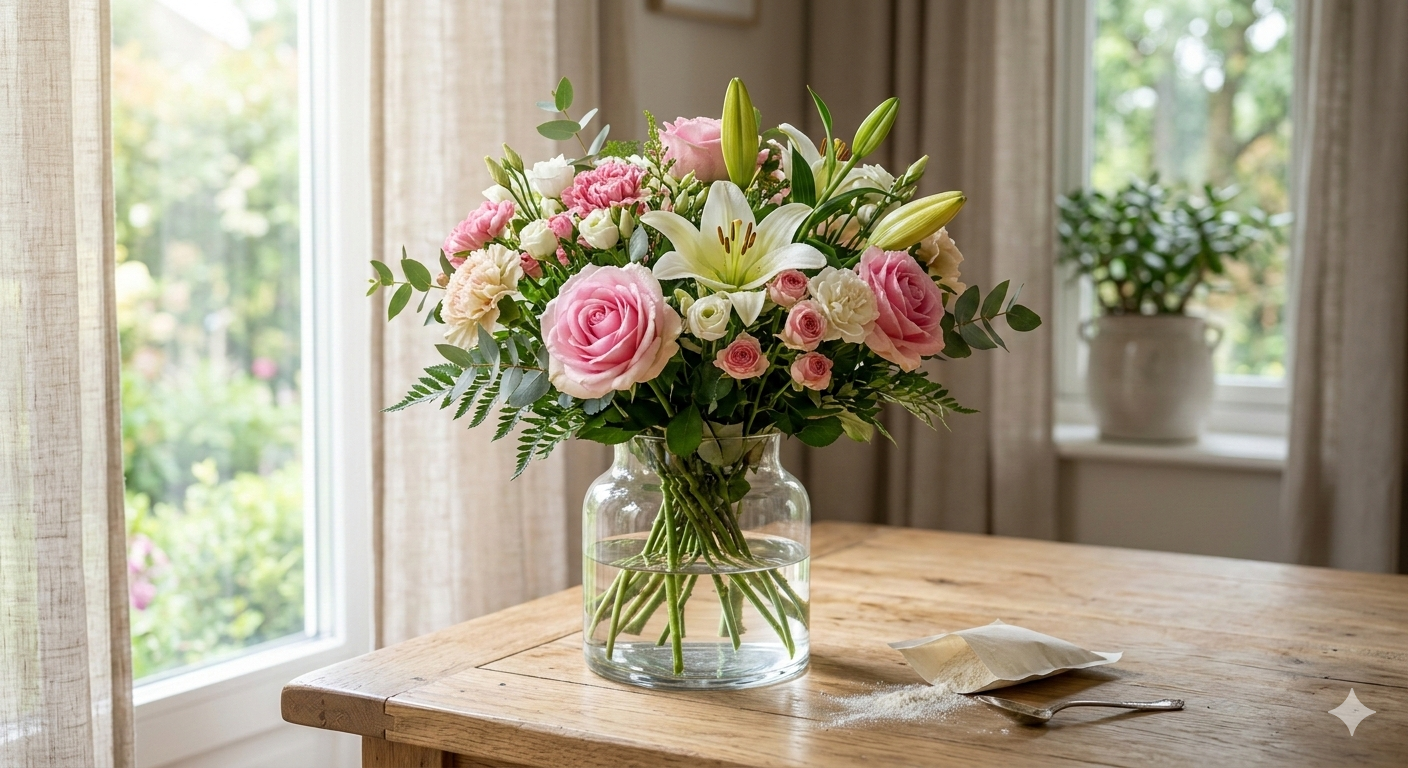
Fresh flowers bring color, fragrance, and life into any space. Whether you’re decorating your home, preparing for an event, or enjoying a gifted bouquet, you naturally want your blooms to stay beautiful for as long as possible. That’s where Flower Food For Fresh Flowers becomes essential. While it may look like a simple powder packet, flower food plays a powerful role in extending the life and vibrancy of your arrangements. In this ultimate guide, we’ll explore everything you need to know about Flower Food For Fresh Flowers, including how it works, why it matters, and how to use it properly for maximum results.
Flower Food For Fresh Flowers is a specially designed formula created to nourish and preserve cut flowers after they’ve been removed from their natural root system. Once flowers are cut, they lose their primary source of water and nutrients. Without support, they begin to deteriorate quickly.
Flower food replaces those lost nutrients while also protecting the flowers from harmful bacteria that can develop in vase water. By maintaining hydration and reducing microbial growth, flower food helps extend the lifespan of your bouquet significantly.
Most commercial Flower Food For Fresh Flowers contains three essential components that work together to maintain freshness and structure.
Sugar acts as an energy source. In nature, flowers receive carbohydrates from the plant through photosynthesis. Once cut, they no longer produce sufficient energy on their own. The sugar in flower food helps buds open fully and keeps petals vibrant.
An acidifier lowers the pH level of the water. Slightly acidic water allows stems to absorb moisture more efficiently. When water moves easily through the stem, flowers remain hydrated and upright for longer.
Bacteria can quickly multiply in vase water, clogging the stems and blocking water flow. The biocide component of Flower Food For Fresh Flowers prevents bacterial growth, keeping the water clear and safe for the flowers.
Together, these ingredients create a balanced environment that supports bloom development and longevity.
Many people underestimate the impact of flower food and assume plain water is enough. While flowers may survive in water alone for a short time, they will not thrive. Here’s why using Flower Food For Fresh Flowers truly matters.
One of the most noticeable benefits is a longer vase life. Flowers treated with proper nourishment can last several days longer than those placed in plain water.
Certain flowers, such as roses and lilies, continue to open after being cut. Flower food provides the nutrients needed for these blooms to reach their full potential.
Proper hydration keeps petals firm and colors bright. Without nutrients, flowers fade and wilt more quickly.
Cloudy water is often a sign of bacterial growth. Flower food helps maintain cleaner water, which directly impacts how long your arrangement remains fresh.
Using Flower Food For Fresh Flowers properly makes all the difference. Follow these essential steps to get the best results.
Before arranging your flowers, wash the vase with warm, soapy water and rinse thoroughly. A clean container reduces initial bacterial contamination.
Follow the instructions on the packet carefully. Dissolve the entire contents in the recommended amount of water. Using too much or too little can reduce effectiveness.
Cut about one inch off each stem at a 45-degree angle before placing them in the vase. This fresh cut improves water absorption and removes any blocked portions of the stem.
Leaves submerged in water decompose quickly and encourage bacteria growth. Remove any foliage that sits below the waterline.
Even when using Flower Food For Fresh Flowers, replace the water every two to three days. Re-trim the stems and add fresh flower food with each water change.
Some people try homemade alternatives using ingredients like sugar, lemon juice, and a small amount of bleach. While DIY mixtures can offer short-term benefits, they often lack the precise balance found in commercial Flower Food For Fresh Flowers.
Commercial products are carefully formulated to provide the correct ratio of nutrients and antibacterial agents. Homemade solutions may work temporarily but can be inconsistent if not measured properly.
If you decide to create your own mixture, accuracy is crucial to avoid damaging delicate blooms.
Even when using Flower Food For Fresh Flowers, certain habits can reduce the lifespan of your arrangement.
Placing flowers in direct sunlight or near heating vents can cause dehydration. Keeping them away from ripening fruit is also important, as fruit releases ethylene gas that speeds up the aging process.
Overcrowding stems in a small vase can restrict airflow and encourage bacteria. Always choose a vase that allows proper spacing.
Ignoring regular stem trimming can also limit water absorption. Recutting stems every few days helps maintain optimal hydration.
Almost all cut flowers benefit from Flower Food For Fresh Flowers. However, varieties such as roses, tulips, carnations, lilies, gerbera daisies, and chrysanthemums show particularly noticeable improvements in longevity and bloom quality.
Delicate flowers especially depend on consistent hydration and protection from bacteria to stay vibrant.
For weddings, anniversaries, birthdays, and events, fresh flowers play a major decorative role. Using Flower Food For Fresh Flowers ensures arrangements remain beautiful throughout the celebration. Longer-lasting blooms also mean better value for money, especially when working with large floral displays.
Event planners and florists rely heavily on professional-grade flower food to maintain quality during transport and display.
Flower Food For Fresh Flowers is more than a convenience; it is a scientifically developed solution that significantly extends the life and beauty of cut blooms. By providing essential nutrients, optimizing water absorption, and controlling bacteria, flower food creates the ideal environment for flowers to thrive even after being cut.
Taking the time to properly mix and use flower food can transform how long your arrangements last. Whether you are displaying a simple bouquet at home or preparing elaborate floral décor for a special event, using Flower Food For Fresh Flowers is one of the simplest and most effective ways to keep your flowers looking fresh, vibrant, and beautiful for days longer.
Flower Food For Fresh Flowers what is flower food how to use flower food benefits of flower food homemade flower food recipe how to make fresh flowers last longer flower care tips extend vase life of flowers cut flower preservation flower food ingredients