Notifications

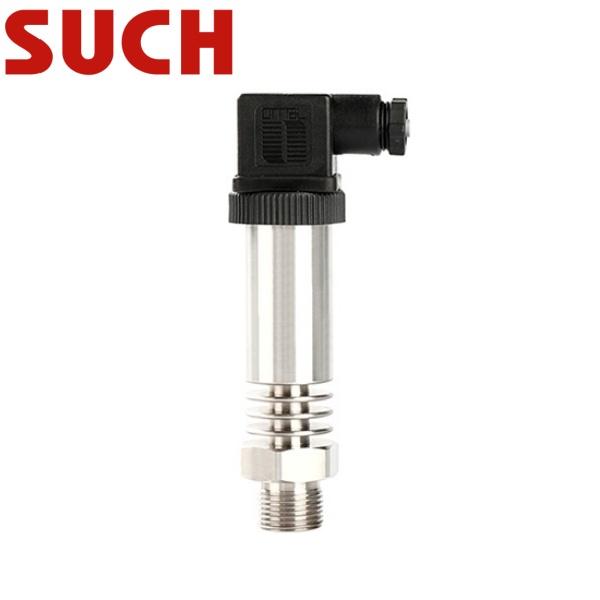
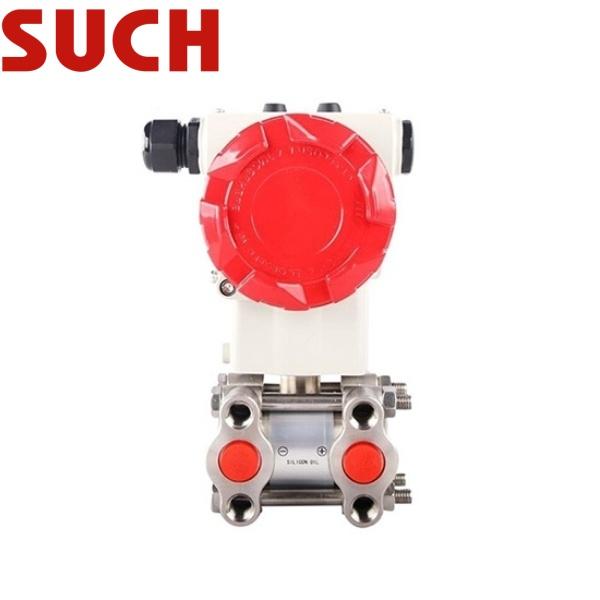
When selecting a differential pressure sensor, the environment is just as important as the specification. While many sensors on the market are tailored for the micro-pressure requirements of cleanrooms and medical labs, heavy industry requires a different breed of hardware. Our sensors are "industrial workhorses," designed to thrive where dust, temperature fluctuations, and mechanical stress are part of the daily routine.
The primary advantage of our industrial DP sensors is their structural integrity. We utilize hardened housings and chemical-resistant diaphragms that can withstand the rigors of boiler monitoring, large-scale pneumatic circuits, and hydraulic filtration systems. In these settings, a sensor must do more than just read pressure; it must resist the wear and tear of the factory floor. Our sensors excel at monitoring filter health in HVAC and intake systems. By tracking the pressure differential, maintenance teams can identify the exact moment a filter becomes clogged, preventing system strain and unnecessary energy consumption.
Furthermore, we prioritize "signal reliability" over "micro-sensitivity." In standard industrial applications, the goal is to capture meaningful data without the noise interference often found in ultra-sensitive micro-pressure devices. This makes our sensors ideal for pump performance monitoring and heat exchanger maintenance. They provide the clear, stable data points required for predictive maintenance strategies. By focusing on the standard industrial pressure spectrum, we offer a product that is not only more cost-effective but also far more resilient than its cleanroom counterparts. Our commitment is to provide tools that work as hard as the machinery they monitor, ensuring your operations remain online and efficient.