Notifications

4 minutes, 50 seconds
-451 Views 0 Comments 0 Likes 0 Reviews
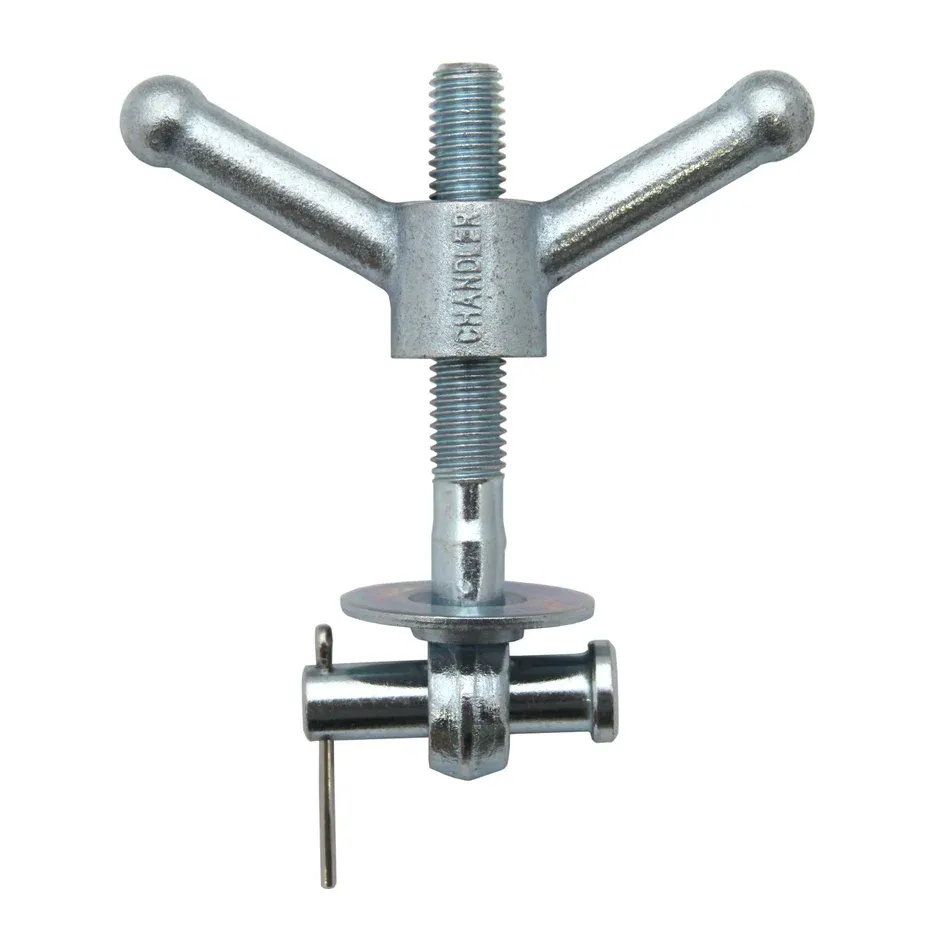
A bolt with a wing nut looks simple, almost too simple. That’s exactly why it gets misused. In the right setting, it’s a lifesaver. In the wrong one, it’s a problem waiting to happen. The trick is knowing when a wing nut makes sense and when you should leave it in the bin. It all comes down to how the connection will be used once your equipment is up and running.
Wing nuts shine when you need fast, tool-free access. If you’re constantly adjusting, removing, or opening something, a wing nut saves you time and hassle. Use them for temporary assemblies, access panels, light-duty guards, or any fixture that needs to be loosened and retightened during normal operation.
You’ll spot wing nuts on equipment covers, test rigs, adjustable brackets, and fixtures used for setup or calibration. In maintenance, they let you move fast; there’s no need to hunt for tools. That speed matters, especially when you’re making adjustments over and over during a shift.
Wing nuts also make sense when torque requirements are low, and the connection doesn’t need to resist heavy vibration. If hand-tight is enough to keep the assembly secure, the wing nut does its job well. It’s intuitive, visible, and easy to verify at a glance.
Trouble happens when wing nuts get used where they don’t belong. High-vibration environments are a big red flag. If your machinery shakes, cycles, or runs nonstop, a wing nut will work itself loose over time. Without a lock or extra torque, it just won’t stay put.
Load-bearing jobs? Forget it. Wing nuts aren’t built for serious tension or shear. If structural integrity is on the line, using a wing nut puts your equipment and your people at risk. If a failure means damage, downtime, or injury, reach for a standard hex nut and tighten it down right.
Environmental exposure also matters. In dusty, oily, or wet settings, wing nuts can become hard to grip. Gloves, grime, and temperature extremes all reduce the practicality of hand-tightened fasteners.
One of the most significant issues with wing nuts in industrial settings is inconsistency. “Hand-tight” means different things to different people. One operator cranks it down hard. Another barely snug-tightens it. That variability creates risk when repeatable performance matters.
In safety-critical systems, consistency wins every time. Torque specs exist for a reason. Wing nuts don’t belong where precise clamping force is required.
If you want quick removal but need more security, try thumb screws with finer threads, captive fasteners, or quarter-turn fasteners made for industrial use. If vibration is your problem, lock washers, nylon-insert nuts, or mechanical locking systems will do a better job than wing nuts and keep things reliable.
A bolt with wing nut isn’t a shortcut or a compromise. It’s a specific tool for a specific job. When access, speed, and light-duty use matter more than torque and vibration resistance, it works beautifully. When strength, safety, and consistency take priority, it’s the wrong choice.
Good industrial design isn’t about picking the simplest part. It’s about picking the right one. Knowing the difference saves you time, protects your equipment, and keeps people safe.


