Notifications

4 minutes, 43 seconds
-42 Views 0 Comments 0 Likes 0 Reviews
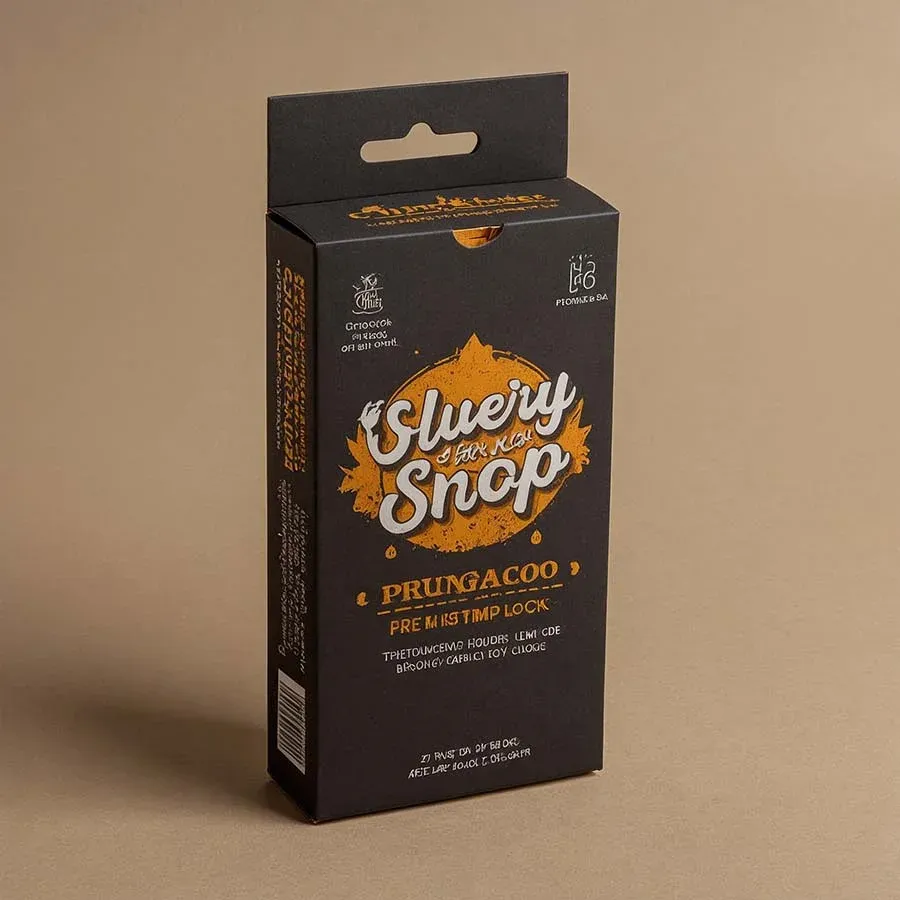
In the high-traffic retail aisles of 2026, the "Battle for the Eye" is won or lost at chest level. While standard shelf boxes often get buried in the "Bottom-Shelf Graveyard," products utilizing custom boxes with hanger occupy the high-visibility "Peg Zone." However, a hanging box is subjected to unique mechanical stresses that a standard carton never faces: constant gravity, consumer handling friction, and "Peg-Hook Torque."
A common failure in cheap hanging boxes is "List"—where the box tilts to one side when hung, making the branding unreadable.
Structural Centering: 2026 precision engineering involves calculating the exact structural centering in high-density vertical retail merchandising. By adjusting the position of the hanger tab based on the product’s internal weight distribution (especially for asymmetrical items like charging cables or liquid cosmetics), the box remains perfectly level.
Reinforced Die-Cut Tabs: To prevent "Peg-Tear," high-quality boxes utilize a Double-Wall Tab or a reinforced Butterfly Hole (Euro-Hole) design. This doubles the fiber density at the point of contact, ensuring the box doesn't fall off the hook even in high-humidity retail environments.
As of August 2026, global sustainability accords have made secondary plastic components (like glue-on plastic hangers) a major compliance liability.
Integrated Five-Panel Hangers: The modern solution is the "Five-Panel" design, where the hanger is an extension of the back panel itself. This creates a Mono-Material unit that is 100% recyclable.
Tear-Resistant Kraft Substrates: Utilizing high-burst-factor Kraft or SBS (Solid Bleached Sulfate) board ensures that the paper fibers are long and interlocking, providing the tensile strength usually associated with plastic, without the environmental footprint.
In a 2026 retail audit, "Facings per Square Inch" is the metric that matters.
Tapered Depth Geometry: Many custom boxes with hanger are now designed with a slightly tapered bottom. This allows the boxes to "nest" closer together on the peg, allowing a retailer to fit 12 units on a hook where they previously only fit 10.
Auto-Lock Bottoms: For high-volume retail, speed of assembly is key. Integrating an auto-lock bottom with a reinforced hanger top allows for a "Pack-to-Peg" time of under three seconds.
Because hanging boxes sit at eye level, the visual fidelity must be flawless.
Haptic Spot UV: Since customers often "flip" through hanging products, using a soft-touch or grit-texture coating on the sides of the box provides a tactile "grip" that encourages the customer to pull the product off the hook for a closer look.
Digital Transparency: Integrating a QR-enabled Header allows the consumer to scan the product while it's still on the peg, accessing "How-to-Use" videos or AR demos without needing to open the packaging.
Retail pegs are metal, and the constant sliding of boxes in and out causes "Scuffing" on the top of the tab. 2026's premium boxes utilize Anti-Scuff Matte Aqueous Coatings. This ensures that even the 20th customer who looks at the product sees a box that looks brand new, preserving the "Luxury" perception of the brand.
The choice to "hang" a product is a strategic retail move. By prioritizing structural centering, reinforced fiber geometry, and mono-material compliance, brands can claim the most valuable real estate in the store. In 2026, the hanger isn't just a tab—it's a high-performance anchor for brand growth.
Custom Boxes with Hanger Hanging Boxes Hanging Display Boxes