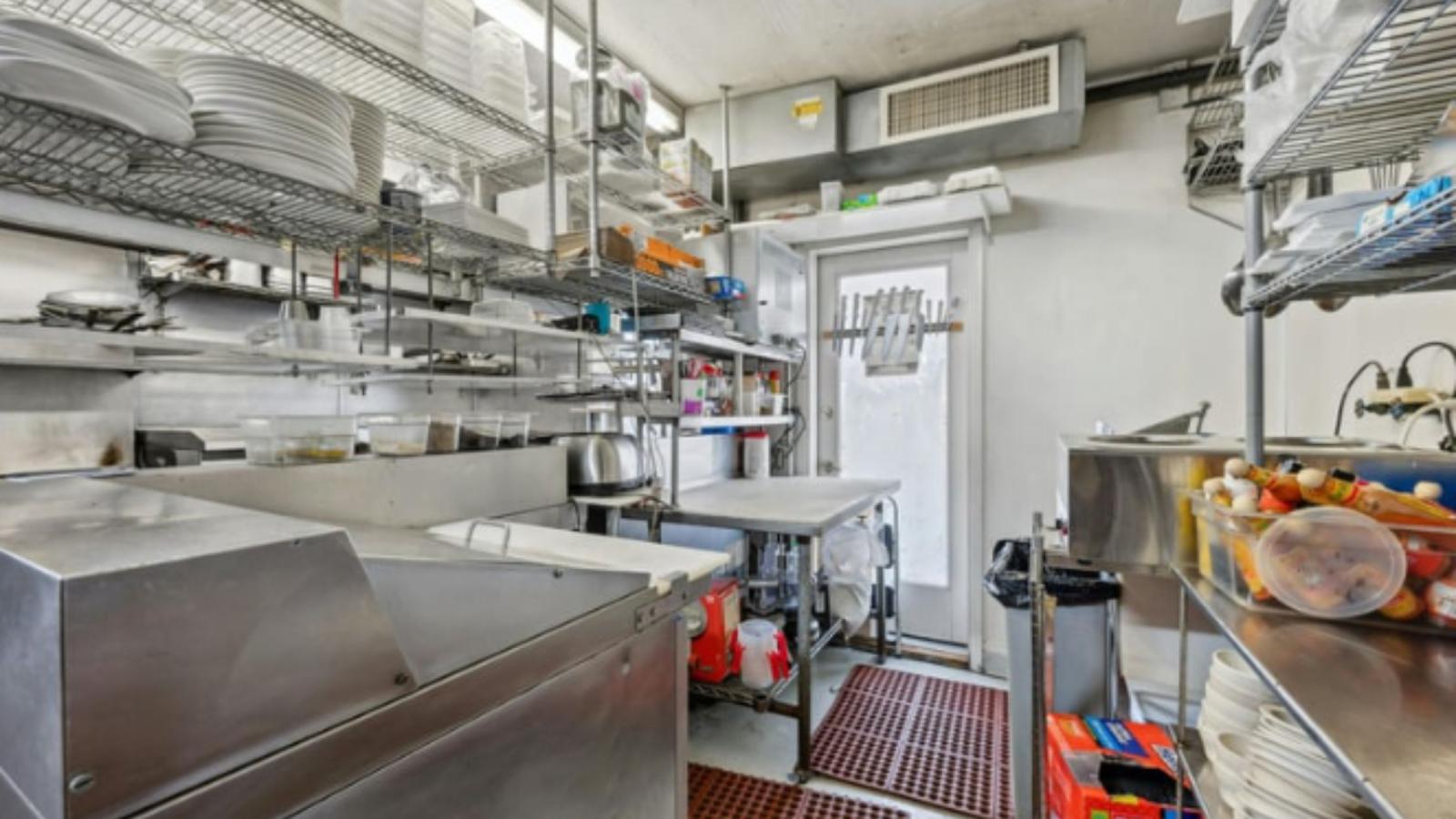
Designing and setting up a hotel kitchen is a key decision for any hotel owner, manager, or chef. A good kitchen setup helps you produce quality food, work more efficiently, cut down on waste, lower costs, and keep your staff safe. With so many options for equipment and layouts, this guide will help you focus on what matters most.
Why Hotel Kitchen Equipment Matters
At its core,
hotel kitchen equipment encompasses all the tools, appliances, and systems necessary to prepare, cook, store, serve, and clean up food in a commercial setting. This ranges from heavy machinery, such as ovens and refrigeration units, to prep tools like food processors and slicing machines. The right selection can drastically improve both productivity and food quality while enhancing staff comfort and safety.
Choosing equipment without a plan can lead to frequent downtime, higher energy bills, slow service, and increased maintenance costs, challenges that no hotel kitchen wants to face during peak hours or banquet events.
Understanding Your Kitchen’s Purpose and Menu
The first step in selecting hotel kitchen equipment is to understand your culinary vision. Will your hotel kitchen focus on multi-cuisine offerings, banquet services, quick-service breakfast, or specialty fine dining? Each of these service models has distinct equipment needs.
For instance:
- A kitchen preparing large banquet services needs high-capacity ovens, steamers, and warming cabinets to handle volume efficiently.
- A hotel with an à la carte restaurant may prioritize specialized cooking stations and precision tools for chefs.
- Breakfast and café formats benefit from dedicated beverage stations and high-speed mixers.
Matching your equipment to your menu ensures every dish is prepared consistently and delivered on time.
Designing a Functional Kitchen Layout
While choosing equipment is critical, layout design determines how well that equipment performs in practice. A logical workflow minimizes unnecessary movement, reduces cross-contamination risks, and enhances staff coordination.
Commercial kitchens are generally designed in functional zones — areas dedicated to storage, preparation, cooking, plating, and washing. Organizing equipment around these zones helps streamline processes from ingredient delivery to service.
A well-designed kitchen should:
- Have a clear flow from receiving to storage, then to prep and cooking, and finally to plating and cleaning. This reduces delays and keeps operations smooth.
- Position heavy and frequently used appliances like ranges and refrigerators where they are most accessible and where utilities (gas, electricity, plumbing) can be installed efficiently.
- Ensure adequate spacing between workstations, allowing multiple staff members to work simultaneously without interfering with one another.
Popular configuration options include linear layouts, island designs, and zone-based ergonomic stations, each suited to different space sizes and service needs.
Selecting the Right Equipment for Each Zone
Every zone in your hotel kitchen has specific equipment needs. Here’s a breakdown of core equipment categories and how they contribute to kitchen performance:
1. Preparation Zone
This area is where ingredients are washed, cut, chopped, and measured. Reliable prep equipment — such as commercial vegetable choppers, food processors, slicers, and mixers- significantly speeds up tasks that would otherwise be time-consuming.
Good prep equipment improves consistency, reduces manual labor, and helps your kitchen team maintain quality during busy service times.
2. Cooking Zone
The cooking zone is the heart of the kitchen. Here, you need commercial-grade ranges, ovens (including convection and combi ovens), fryers, grills, tandoors, and steamers. These equipment pieces must be durable, easy to clean, and energy efficient.
Flexible appliances like combi ovens — which combine steaming, baking, and roasting — are especially valuable in hotel kitchens with diverse menus.
3. Refrigeration and Storage
Proper refrigeration and storage equipment preserve ingredient quality and comply with food safety standards. Walk-in coolers, under-counter refrigerators, dry storage racks, and freezer units should be placed close to prep areas to reduce unnecessary movement and save time.
4. Dishwashing and Sanitation
Efficient dishwashing equipment and sanitation tools are non-negotiable in hotel kitchens. High-capacity dishwashers, sinks, and waste disposal units support hygiene and keep operations flowing even during rush hours.
Ergonomics, Safety & Sustainability Considerations
The physical comfort and safety of your kitchen staff should be a priority. Arranging equipment at accessible heights, providing anti-fatigue mats, and maintaining clear walkways reduce strain and accidents. Adequate ventilation and fire suppression systems are also crucial for a safe work environment.
Energy efficiency is another modern priority. Appliances with Energy Star ratings and smart energy management features lower operational costs and support sustainability initiatives — increasingly important in 2026 and beyond.
Maintenance and Long-Term Value
Investing in durable, easy-to-service equipment can save you high costs over the kitchen’s lifecycle. Stainless steel construction, modular designs, and reputable warranties mean fewer breakdowns, lower repair bills, and downtime.
Regular maintenance schedules, including cleaning, calibration, and professional inspections, ensure your kitchen runs smoothly year after year. This not only protects your investment but also supports consistent food quality and service reliability.
Conclusion: Build a Kitchen That Works for You
Selecting and designing hotel kitchen equipment isn’t just about buying appliances; it’s about creating a workspace that enhances efficiency, supports high culinary standards, protects staff, and maximizes your ROI. By planning with purpose, zoning wisely, choosing the right tools, and prioritizing safety and energy efficiency, your hotel kitchen can operate at peak performance in 2026 and beyond.
Whether you’re building from scratch or upgrading an existing commercial kitchen, keep your menu, workflow, and service goals in mind. The right combination of equipment and design will empower your kitchen team, delight your guests, and strengthen your hotel’s reputation for excellence. If you need the best one, then go with
Nirali Food Machinery having best and most profitable range of commercial kitchen appliances that help to make your kitchen perfect.