Notifications

9 minutes, 16 seconds
-49 Views 0 Comments 0 Likes 0 Reviews
As individuals age, the desire to remain in a familiar and comforting environment often grows stronger. The decision to bring care into the home rather than moving to a facility is significant, and its impact extends far beyond physical well-being. The emotional benefits of home healthcare for seniors are profound, offering a sense of peace, dignity, and connection that is vital for a fulfilling life. Home HealthCare in Dubai is provided in a personal space, it nurtures the heart and mind in ways that a clinical setting simply cannot replicate.
One of the most significant emotional gifts that home healthcare provides is the preservation of a senior’s independence. Being in one’s own home means maintaining control over daily routines, from the moment they wake up to when they choose to go to bed. This autonomy is a powerful bolster to self-esteem. It reinforces the idea that they are still capable of making decisions about their own life, which is a fundamental human need. When a senior feels in control, feelings of helplessness and frustration diminish, replaced by a confident and positive outlook.
Being at home allows seniors to hold onto the small, personal rituals that bring them joy and structure. Whether it is enjoying morning coffee in a favorite chair, tending to a small garden, or watching a particular television program, these routines provide a sense of normalcy and predictability. A caregiver who comes into the home supports these rituals rather than disrupting them. This respect for personal habits fosters a sense of security and reduces the anxiety that often comes with major life changes.
A home is filled with a lifetime of memories. The photographs on the walls, the well-worn furniture, and the familiar creak of the floorboards all tell the story of a person’s life. For a senior, especially one experiencing cognitive decline, these familiar cues can be incredibly grounding. They provide a constant reminder of who they are and the life they have lived, which helps to combat confusion and disorientation.
Moving to an unfamiliar environment can be a deeply traumatic experience for an older adult. The strange sounds, new faces, and lack of personal history can lead to heightened stress, anxiety, and even depression. By receiving care at home, seniors are spared this upheaval. They remain in a sanctuary where everything is known and safe. This stability naturally lowers stress levels, allowing them to relax and focus on enjoying their days rather than worrying about their surroundings.
Isolation is one of the greatest emotional challenges facing the elderly. When a senior moves to a facility, they are often separated from their established community of neighbors, friends, and local familiar faces. Home healthcare actively combats this isolation by allowing seniors to stay connected to their world.
A private home remains a welcoming space for family and friends to visit. Grandchildren can come to play in the backyard, old friends can stop by for a chat over tea, and neighbors can pop in for a visit. These organic, spontaneous interactions are crucial for emotional health. They prevent the feelings of loneliness that can occur in a more restricted environment. The home remains the heart of the family, and the senior stays at the center of it.
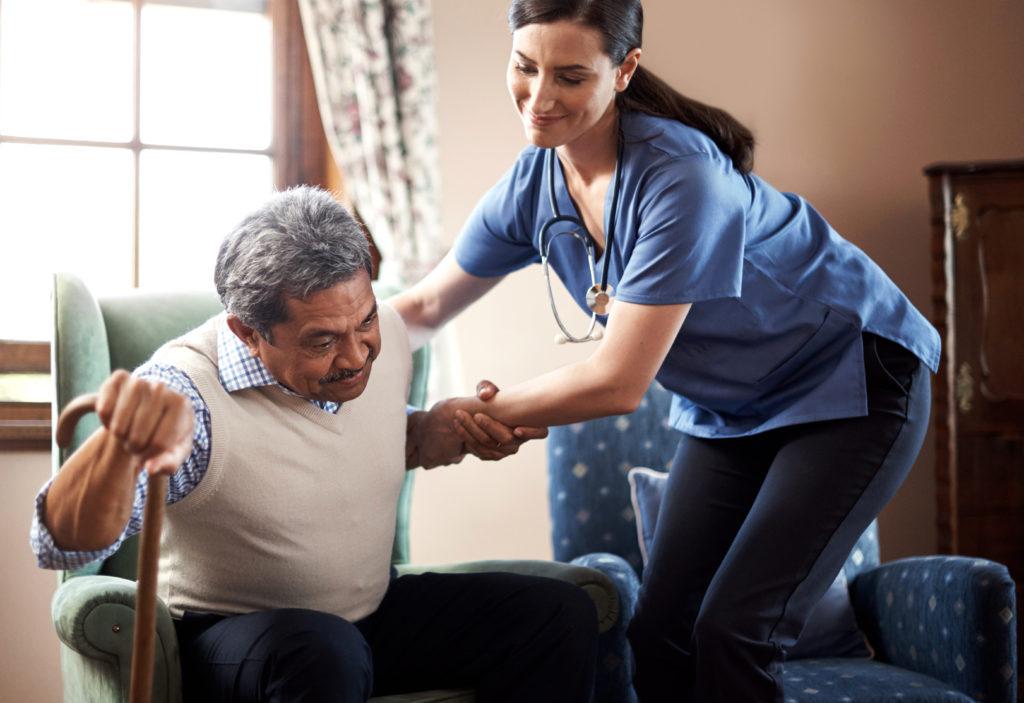
The relationship between a senior and a home healthcare provider is unique and deeply personal. Unlike in a busy facility where staff are stretched thin and must divide their attention among many residents, a home caregiver is focused on one individual. This one-on-one attention allows for the development of a genuine, trusting bond.
A caregiver in the home often becomes more than just a helper; they become a companion. They share in the senior’s daily life, listen to their stories, and engage in conversation. This consistent, positive human interaction is vital for emotional well-being. It provides a sense of being valued and heard. Knowing that someone will be there each day, someone who cares about their well-being, creates a profound feeling of safety and trust that alleviates fear and loneliness.
When emotional needs are met, a senior’s overall quality of life improves dramatically. The combination of independence, comfort, and meaningful connection creates an environment where happiness can flourish.
Receiving compassionate care at home helps seniors focus on what they can do, rather than what they cannot. With the stress of managing daily chores and personal care lifted by a supportive caregiver, they are free to engage in hobbies and interests that bring them pleasure. This positive focus fosters a healthier mindset and a more optimistic view of the aging process. They are able to live their later years with grace, dignity, and a sense of contentment, surrounded by the love and memories that have defined their entire lives.
Home healthcare provides consistent, one-on-one companionship. A caregiver engages the senior in conversation and activities, offering social interaction that breaks up the day and reduces the feeling of being alone. Furthermore, by keeping the senior at home, they remain accessible to their network of family and friends, encouraging more frequent visits.
Yes, remaining in a familiar and loved environment has a direct positive impact on mood. It eliminates the stress and grief associated with leaving one’s home. The comfort of personal belongings and the ability to maintain independence contribute to a greater sense of happiness and lower rates of depression and anxiety.
Absolutely. The level of physical help needed does not diminish the emotional benefits. In fact, for seniors with high care needs, being at home can be even more comforting. They receive personalized attention in a place where they feel most secure, surrounded by familiar sights and sounds. The dignity of being cared for in a private, personal space is a powerful emotional comfort.
It often strengthens them. When family members are not solely focused on the stresses of personal care and household management, their time together can be spent on quality interaction. Enfield Royal Clinic Dubai, they can relax and enjoy being family, rather than feeling like caregivers. This shift reduces family tension and allows for more loving, positive relationships.


