Notifications

12 minutes, 40 seconds
-6 Views 0 Comments 0 Likes 0 Reviews
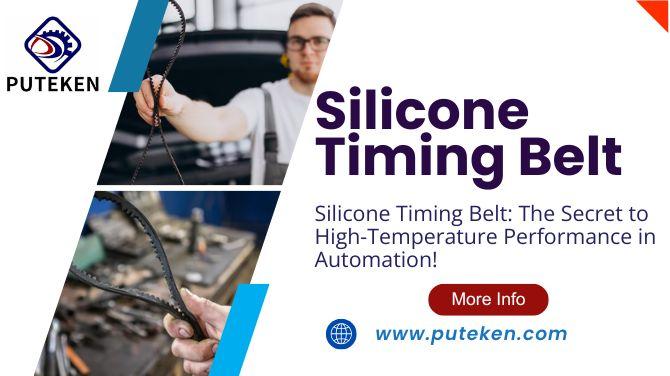
In the ever-evolving world of industrial automation, the demand for components that can withstand extreme conditions while delivering precise, reliable performance is higher than ever. As manufacturing processes become more sophisticated and operate at higher speeds and temperatures, the need for specialized power transmission solutions has grown. Among these, the Silicone Timing Belt has emerged as a critical component, especially in applications where high-temperature resistance and consistent performance are non-negotiable.
At Shanghai Puteken Transmission System Co., Ltd., we understand that the success of your automation system depends on every detail—from the motors and sensors to the belts that synchronize movement. While traditional timing belts made from rubber or polyurethane have served the industry well, they often fall short in environments where heat, chemical exposure, or hygiene requirements are paramount. This is where the Silicone Timing Belt stands out, offering a unique combination of thermal stability, flexibility, and durability that makes it the secret weapon for high-temperature performance in automation.
What is a Silicone Timing Belt?
A Silicone Timing Belt is a synchronous belt made from high-grade silicone elastomer, often reinforced with fiberglass, steel, or aramid cords for added strength and dimensional stability. Like other timing belts, it features a toothed profile that meshes precisely with corresponding pulleys, ensuring accurate, slip-free power transmission. However, the use of silicone as the base material gives these belts a unique set of properties that make them ideal for demanding environments.
Key Properties of Silicone Timing Belts
1. Unmatched Thermal Stability
One of the most significant challenges in automation is maintaining precise, reliable motion in environments where temperatures can fluctuate dramatically. Traditional rubber or polyurethane belts may degrade, stretch, or lose their shape when exposed to high heat, leading to slippage, misalignment, and premature failure. In contrast, the Silicone Timing Belt retains its mechanical properties and tooth profile even under continuous exposure to extreme temperatures, ensuring consistent performance and minimal downtime.
2. Superior Chemical and Environmental Resistance
Automation systems in industries such as food processing, pharmaceuticals, and electronics often operate in environments where exposure to chemicals, oils, or cleaning agents is unavoidable. Silicone’s natural resistance to a wide range of chemicals and its ability to withstand UV radiation make the Silicone Timing Belt an excellent choice for these demanding applications.
3. Hygienic and Easy to Clean
In industries where hygiene is critical, such as food and beverage or medical device manufacturing, the non-stick, easy-to-clean surface of the Silicone Timing Belt helps prevent contamination and simplifies maintenance. Food-grade silicone belts are also resistant to mold, bacteria, and other pathogens, supporting compliance with strict hygiene standards.
4. Consistent Performance in Extreme Conditions
Whether your automation system operates in a freezer, an oven, or an outdoor environment exposed to sunlight and weather, the Silicone Timing Belt delivers reliable, consistent performance. Its flexibility at low temperatures and stability at high temperatures make it a versatile solution for a wide range of applications.
5. Reduced Maintenance and Downtime
The durability and resistance to wear, chemicals, and temperature extremes mean that Silicone Timing Belts require less frequent replacement and maintenance. This translates to lower operational costs and increased uptime for your automation systems.
Selecting the right Silicone Timing Belt for your automation system involves evaluating several factors:
1. Operating Temperature
Determine the maximum and minimum temperatures your system will encounter. Silicone Timing Belts are ideal for applications with extreme temperature fluctuations.
2. Chemical Exposure
Consider the types of chemicals, oils, or cleaning agents the belt may come into contact with. Silicone’s chemical resistance makes it suitable for harsh environments.
3. Load and Speed Requirements
Assess the load, speed, and torque requirements of your application. Reinforced Silicone Timing Belts with steel or aramid cords offer higher strength and dimensional stability for demanding tasks.
4. Hygiene and Food Safety
If your application involves direct contact with food or pharmaceuticals, ensure the belt is made from food-grade silicone and meets relevant regulatory standards.
5. Belt Profile and Pitch
Choose the appropriate tooth profile and pitch to match your pulleys and ensure precise, slip-free operation.
6. Customization Needs
If your application requires special features—such as perforations, coatings, or custom widths—work with a supplier like Shanghai Puteken Transmission System Co., Ltd. to design a tailored solution.
Silicone Timing Belts are used in a wide variety of industries and applications, including:
Proper installation and maintenance are essential to maximize the performance and lifespan of your Silicone Timing Belt.
Maintenance Tips
At Shanghai Puteken Transmission System Co., Ltd., we are dedicated to providing high-quality Silicone Timing Belts that meet the demanding requirements of modern automation. Our belts are manufactured using advanced materials and processes to ensure superior performance, durability, and reliability.
Our advantages include:
The Silicone Timing Belt is the secret to achieving high-temperature performance and reliability in today’s advanced automation systems. Its unique combination of thermal stability, chemical resistance, hygiene, and flexibility makes it the preferred choice for industries where precision and durability are paramount. At Shanghai Puteken Transmission System Co., Ltd., we are committed to delivering high-quality, customizable Silicone Timing Belt solutions that help you achieve your operational goals.
Silicone Timing Belts offer superior high-temperature resistance, chemical resistance, and a non-stick surface, making them ideal for demanding environments where traditional belts may fail.
Yes, food-grade Silicone Timing Belts are available and are designed to meet hygiene and safety standards required for food processing and packaging applications.
3. How do I select the right Silicone Timing Belt for my application?
Consider factors such as temperature range, chemical exposure, load, speed, and hygiene requirements. Our experts at Shanghai Puteken Transmission System Co., Ltd. can help you choose the optimal belt for your needs.
4. Are Silicone Timing Belts resistant to chemicals and oils?
Yes, silicone is highly resistant to most chemicals, oils, and greases, making these belts suitable for harsh industrial environments.
5. What is the typical lifespan of a Silicone Timing Belt?
The lifespan depends on operating conditions, load, and maintenance practices. With proper care, Silicone Timing Belts can last significantly longer than conventional belts in high-temperature environments.
6. Can Silicone Timing Belts be customized?
Absolutely. We offer customization options for belt width, length, tooth profile, reinforcement, and special coatings to meet your specific requirements.
7. How do I maintain a Silicone Timing Belt?
Regular inspection, cleaning, and proper tensioning are essential for maintaining a Silicone Timing Belt. Replace worn or damaged belts promptly to avoid downtime.
8. Are Silicone Timing Belts suitable for high-speed applications?
Yes, their dimensional stability and low stretch make them ideal for high-speed and high-precision applications.
9. How do I order a Silicone Timing Belt from Shanghai Puteken Transmission System Co., Ltd.?
Contact our sales team with your specific requirements, including belt dimensions, application details, and any customization needs. We will provide a tailored solution and guide you through the ordering process.


