Notifications

9 minutes, 3 seconds
-114 Views 0 Comments 0 Likes 0 Reviews
If you have spent any time on the internet in the last decade, you have probably seen the square. You know the one: a little, customizable cube rocketing through a neon-soaked abyss, desperately trying to avoid spikes, sawblades, and the crushing weight of gravity. It looks simple. It sounds incredible. And it feels absolutely impossible—until you beat it.
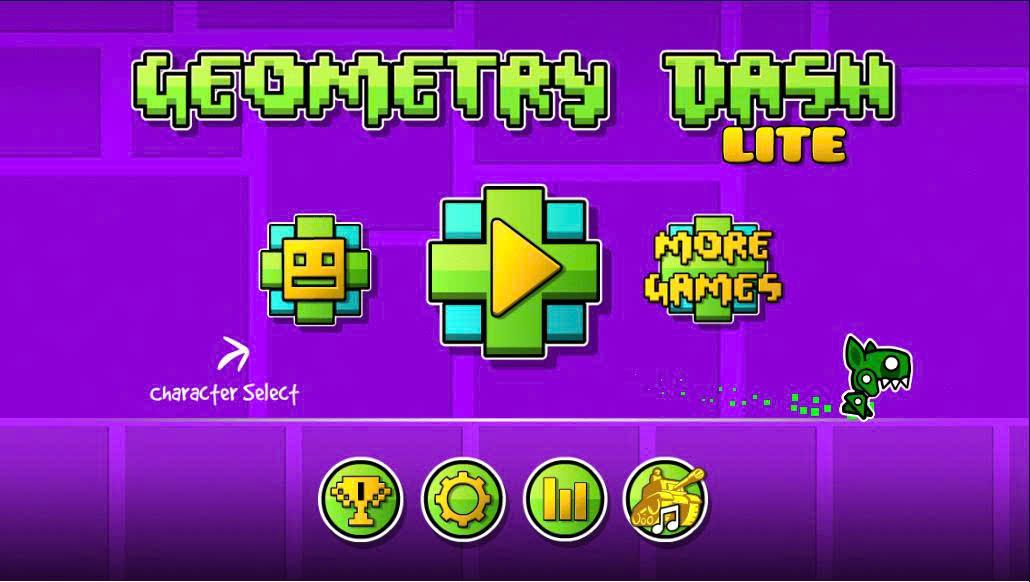
The genre of "geometry jump" games—rhythm-based platformers where precision is king—is a fascinating corner of the gaming world. It strips away complex RPG mechanics, loot boxes, and expansive open worlds, boiling the experience down to pure reflex and muscle memory. While there are many imitators, the undisputed king of this style is Geometry Dash. If you are looking to dip your toes into this high-octane genre, or if you’re just wondering why your friends keep smashing their keyboards, this guide will walk you through how to experience the thrill of the jump.
The Core Gameplay: One Button, Infinite Possibilities
At its heart, the concept of a geometry jump game is deceptively simple. You are an object moving automatically from left to right. You cannot stop. You cannot slow down. Your only interaction with the world is to jump.
In Geometry Dash, this simplicity is the hook. You press a key (Spacebar, Up Arrow, or a mouse click) to jump. Holding the key makes you jump repeatedly. That’s the entire control scheme. Yet, from this single input, the game creates a symphony of chaos.
The game is divided into levels, each synced perfectly to a driving, electronic soundtrack. The obstacles—usually spikes or blocks—appear in time with the beat. When the bass drops, the speed often ramps up. When the snare hits, you might need to tap. The visual environment pulses and flashes with the music, creating a synesthetic experience where you aren't just playing a platformer; you are playing the song itself.
However, the game doesn’t let you stay a simple cube for long. To keep the "jump" mechanic interesting, the game introduces portals that transform your character.
Each of these modes changes the physics entirely, forcing your brain to rewire itself mid-level. The transition from a heavy, gravity-bound cube to a floaty spaceship happens in a split second, demanding instant adaptation. This variety is what keeps the "geometry jump" concept fresh even after thousands of attempts.
Tips for Surviving the Neon Gauntlet
If you boot up the game thinking it’s just a casual mobile port, you are in for a rude awakening. These games are notoriously difficult. They are "masocore"—designed to kill you repeatedly. But unlike unfair games, every death here is a lesson. Here is how to survive and actually enjoy the process.
1. Music is Your greatest Tool
Many beginners play with the sound off or listen to their own playlists. This is a huge mistake. The levels are designed around the soundtrack. The jumps often align with the drum beats or melody changes. If you listen closely, the music tells you when to click. Turn the volume up, wear headphones, and let the rhythm guide your fingers. You’ll find yourself entering a "flow state" much faster.
2. Practice Mode is Not Cheating
In the main levels, one mistake sends you back to the very beginning (0%). This can be demoralizing when you are trying to learn the tricky end section of a level. Use Practice Mode! This allows you to place green checkpoints (diamonds) anywhere you want. If you die, you respawn at your last checkpoint. Use this to rehearse difficult segments over and over until your muscle memory locks in. Once you can do it in practice, you can do it in the real run.
3. Look Ahead, Not at Your Cube
It’s natural to stare directly at your character, but by the time you see an obstacle right in front of you, it’s often too late to react. Train your eyes to scan the right side of the screen. You want to perceive the upcoming spikes a split second before you reach them. Your peripheral vision will keep track of the cube; your focused vision should be on the threat ahead.
4. Keep Your Cool (Seriously)
This genre induces "gamer rage" like no other. You will die at 98%. You will crash into the very last spike. It happens to everyone. When you feel your hands shaking or your frustration boiling over, take a break. Playing while angry leads to sloppy inputs and more failure. The game isn't going anywhere. Walk away, get a drink of water, and come back with a clear head.
5. Customization is Key
Sometimes, a change of scenery helps. You can unlock different icons, colors, and trails. While these are cosmetic, some players find that certain icon shapes "feel" more precise or have hitboxes that are easier to visualize. Experiment with your look. If you look good, you play good.
Conclusion: The Joy of the 100%
So, why do we do it? Why do we subject ourselves to thousands of crashes and hours of repetitive music?
It’s about the payout. There is a specific, unparalleled rush that comes from conquering a geometry jump level. When you finally beat a demon-difficulty map after 500 attempts, the feeling is euphoric. You didn't grind for XP to get stronger; you got stronger. Your reaction times improved, your rhythm tightened, and your focus sharpened.
Experiencing a game like Geometry Dash is less about finishing a story and more about mastering a skill. It’s a digital performance art. Whether you are tackling the main levels or diving into the millions of user-created maps that range from serene artistic voyages to hellish gauntlets, the core appeal remains the same.
It is just you, the music, and the jump. It is frustrating, loud, and incredibly difficult. And once you clear your first hard level, you’ll realize it is also the most fun you can have with just one button. So, go ahead—take the leap. Just remember to breathe.


