Notifications

7 minutes, 54 seconds
-80 Views 0 Comments 0 Likes 0 Reviews
The first thing people notice about the Serengeti is the silence. It is not empty. It is simply unhurried.
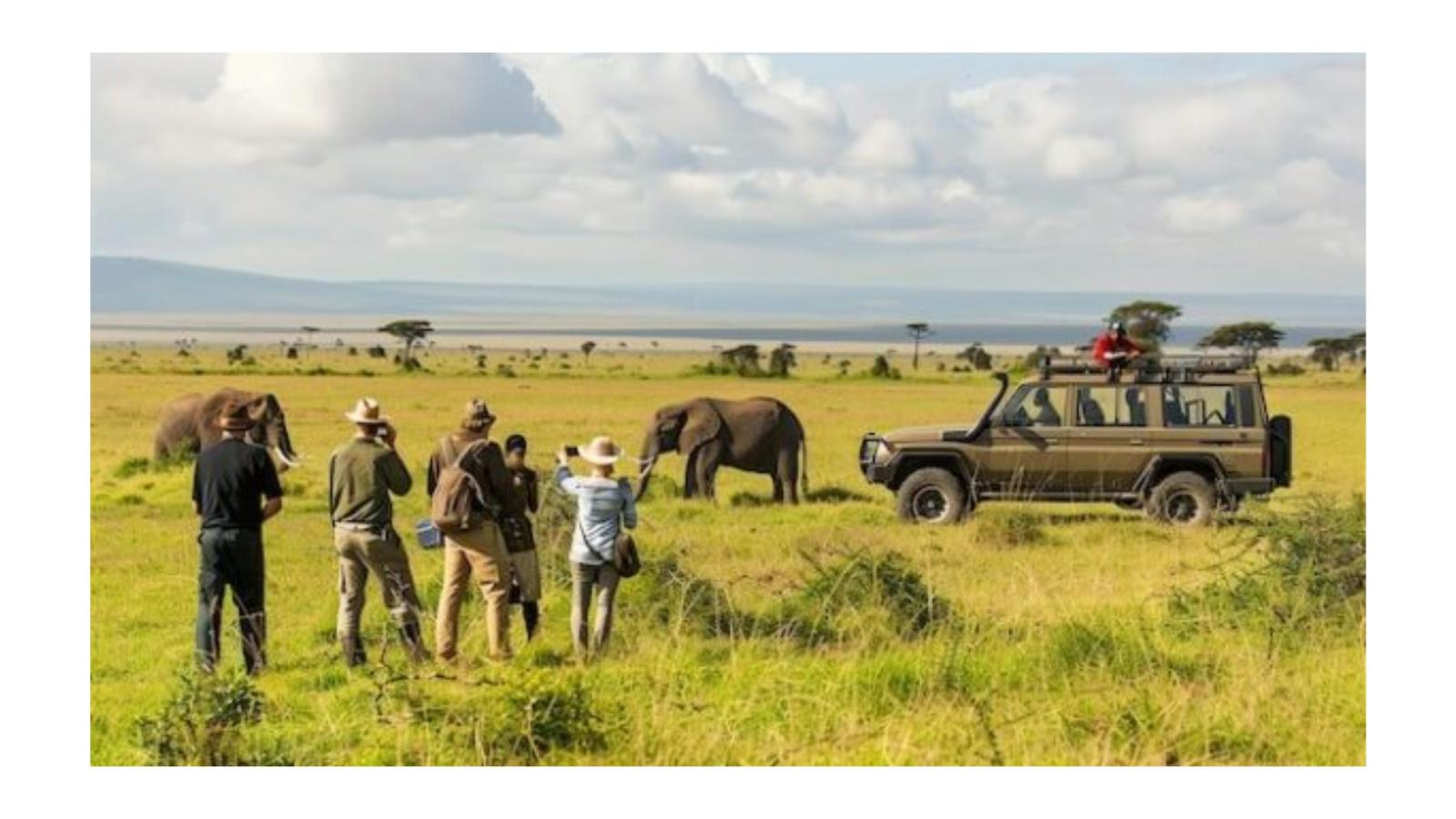
At dawn, the plains stretch in every direction, pale gold under a low sky. A vehicle moves slowly along a narrow track. The guide does not rush. He scans the horizon the way someone reads a familiar page, looking for what has changed since yesterday.
There is no promise of immediate sightings. That expectation fades quickly here.
Travelers often arrive with a clear picture in mind. They expect movement, density, and drama. They imagine wildlife appearing on cue. But the Serengeti does not respond to expectation. It follows its own rhythm, shaped by rain, grass, and instinct.
What unfolds instead is something quieter and more complex.
Why Learning to Wait Becomes the Most Important Safari Skill
A guide stops the vehicle without explanation. At first, there is nothing obvious to see. The grass moves slightly in the wind. A few birds shift position along the ground.
Then he points, not urgently, but with certainty.
A line forms in the distance. It sharpens as the light changes. Wildebeest begin to emerge, one after another, until the horizon seems to move.
No one speaks for a moment.
This is how the Serengeti reveals itself. Not through constant action, but through patience. The experience depends on slowing down enough to notice what is already happening.
Guides understand this instinctively. Many have spent years in these landscapes. They know when to wait and when to move. They read the land through signs that visitors would likely miss.
A broken line in the grass. A distant call. A shift in bird movement. Each detail carries meaning.
Who Are the People Behind the Journey and How Do They Shape It
It is easy to focus only on the wildlife. Yet the experience is shaped just as much by the people who guide it.
In northern Tanzania, guiding is often a lifelong path. Knowledge builds over time, through repetition and observation. It is passed between generations, refined through daily work in the field.
One guide speaks quietly about lion behavior while watching a pride rest under a tree. He explains how they position themselves based on heat and wind. He points out the direction of their gaze, suggesting where movement might come next.
There is no performance in the explanation. It feels practical, grounded in experience rather than rehearsed detail.
This approach changes how travelers engage with the environment. They stop asking what they are supposed to see. They begin asking why things happen the way they do.
How the Serengeti Landscape Stays in Constant Motion Across Seasons
The Serengeti is often described as vast, but scale alone does not define it. What matters more is movement.
The Great Migration is the most visible example. Millions of animals cross the plains in search of grazing. Their path shifts each year, responding to rainfall patterns that no one can fully predict.
This uncertainty shapes every safari.
Some days offer clear, dramatic encounters. A river crossing. A predator in pursuit. Other days feel quieter, marked by long drives and small observations.
Both experiences hold value. The quieter moments often reveal more about how the ecosystem functions.
A guide might stop to examine tracks in the dirt. He explains how recently an animal passed and in which direction it moved. These details create a different kind of engagement. One that relies less on spectacle and more on understanding.
What Happens Beyond the Safari Vehicle in Local Communities
Outside the park boundaries, the rhythm changes again. Communities live alongside conservation areas, navigating a balance between tradition and modern pressures.
Tourism plays a role here, but it is not the whole story. Some families depend on it directly. Others engage with it indirectly through shared resources and infrastructure.
When done responsibly, tourism supports these communities. It creates jobs, funds education, and strengthens local economies.
But the relationship requires care. It depends on operators who understand the long-term impact of their work.
Travelers often notice this difference in subtle ways. A conversation at a lodge. A visit to a nearby village. These moments add context to what they see inside the parks.
They begin to understand that the Serengeti is not isolated. It is part of a larger human and ecological system.
Why Letting Go of the Checklist Changes the Entire Experience
Many visitors arrive with a mental list of animals they hope to see. Lions, elephants, cheetahs, leopards. The list feels important at first.
Over time, it becomes less relevant.
What stays with people are not the numbers, but the moments. A quiet morning drive. The sound of wind moving through grass. The way light changes at sunset.
These details are harder to define, but they shape the memory of the experience.
The Serengeti does not reward urgency. It rewards attention.
How Travelers Carry the Impact of the Serengeti Long After They Leave
When travelers leave, they often carry a different understanding of what they experienced. It is not just about wildlife or landscape. It is about how those elements connect.
The role of the guide. The influence of local communities. The balance between tourism and conservation.
These layers become clearer in hindsight.
A well-planned journey allows space for this clarity. It avoids rushing between destinations. It respects the pace of the environment.
Access 2 Tanzania approaches the Serengeti with this perspective in mind. The focus remains on thoughtful planning, experienced guiding, and a respect for how the land functions.
In the end, the Serengeti does not try to impress. It does not need to.
It simply continues, vast and steady, revealing itself to those willing to slow down and pay attention.


