Notifications

15 minutes, 39 seconds
-45 Views 0 Comments 0 Likes 0 Reviews
Planning a trip to Namibia from Japan? You’re probably picturing endless dunes, wildlife roaming freely, and those unreal sunsets you see on Instagram. And honestly, Namibia delivers all of that and more. But before you get carried away planning your safari or desert road trip, there’s one thing you’ll need to sort out first: the visa. The good news is that the Namibia Visa Online for Japanese Citizens Requirements and Apply Online has made things a lot simpler than it used to be. No embassy visits, no piles of paperwork—just a fairly straightforward online process if you follow it properly.
Yes, Japanese citizens do need a visa to enter Namibia. That said, it’s not something to stress about. Namibia has introduced an eVisa system, which makes the whole process much easier than traditional visa applications. Still, it’s always smart to double-check requirements before booking your flights. Visa policies can change, sometimes without much notice. A lot of travelers assume, “Oh, I didn’t need a visa for another country in Africa, so it’ll be the same here.” Not always true. Namibia has its own rules.
There are a few visa options depending on why you’re traveling:
Tourist eVisa: This visa is intended for travelers coming to Namibia for vacations, sightseeing, or to experience its well-known natural attractions. It typically supports multiple entries and allows you to stay for up to 90 days within its validity period.
eVisa for Visiting Friends or Family: This type is suitable for those planning to visit relatives or friends residing in Namibia. It usually permits multiple entries and lets you remain in the country for a total of up to 90 days during the visa’s validity.
Transit or Stopover eVisa: This visa is meant for travelers who are only passing through Namibia while heading to another destination. It is designed for short stays and may allow more than one entry, depending on your travel itinerary.
Medical Treatment eVisa: Issued to individuals traveling to Namibia for medical care or treatment. It generally allows multiple entries and provides a stay period of up to 90 days within the approved timeframe.
Business / Conference / Meeting eVisa: This option is for professionals visiting Namibia for work-related purposes such as meetings, conferences, or corporate events. It typically offers multiple entries and allows stays of up to 90 days.
If you’re planning something longer or more official (like work or study), then you’ll need a different visa altogether.
Trying to use the wrong visa type usually doesn’t end well, so it’s worth getting this right.
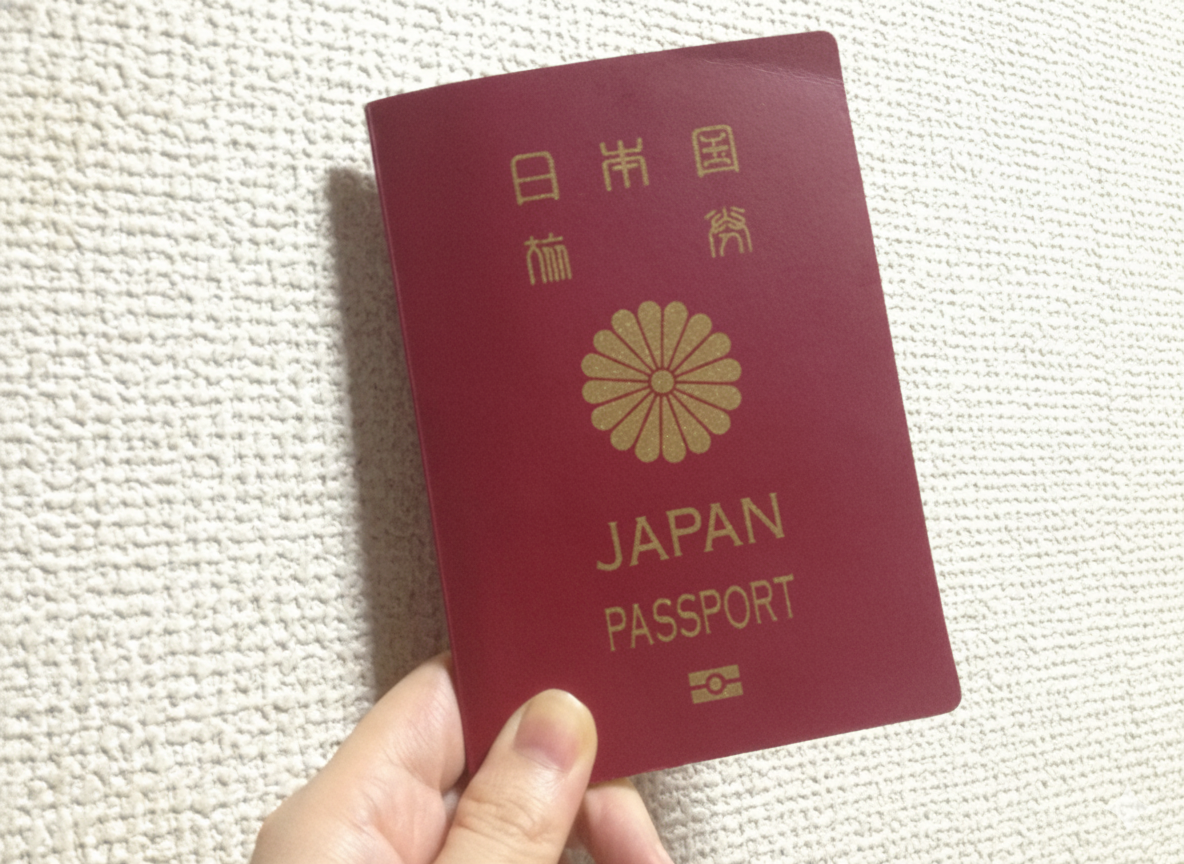
You don’t need anything too complicated, but the basics Namibia online visa application requirements must be correct:
Passport Bio Page: You’ll need to upload a clear, full-color copy of your passport’s biodata page. Make sure every detail is visible, especially the machine-readable zone (MRZ) at the bottom. If the image is blurry, cropped, or taken with a low-quality camera, it could cause delays—or even rejection.
Photograph of the Applicant: A recent passport-style color photo is required. The background should be plain white, and your face must be clearly visible, filling roughly 70–80% of the image. Avoid filters, edits, or any kind of digital enhancements.
Travel Itinerary Proof: You must provide a document that shows your confirmed travel plans. This should outline how and when you plan to enter Namibia, along with your general trip schedule.
If Traveling by Air – Confirmed Flight Booking: For air travelers, a confirmed round-trip flight ticket is required. It should clearly display both your arrival and departure details. Also, the name on the ticket must exactly match your passport.
If Traveling by Land or Other Means – Declaration Letter: If you’re not flying, you’ll need to submit a signed declaration. This letter should mention your travel dates, how you plan to enter and exit Namibia, and your next destination. Don’t forget to include your full name and passport information.
Proof of Accommodation: You’ll need to show where you’ll be staying during your visit. This can be a hotel booking confirmation or any official document that covers your entire stay period.
Invitation Letter (If Staying with Someone): If you’re planning to stay with a friend or family member, an invitation letter is required. It should include the host’s full name, address, and how long you’ll be staying with them.
Financial Proof: Recent bank statements—usually covering the past six months—must be provided. These should clearly show that you have enough funds to support your trip, including accommodation and daily expenses.
Travel Insurance Coverage: A valid travel insurance policy is needed for the entire duration of your stay. It should include coverage for medical emergencies, accidents, and unexpected travel disruptions.
A lot of delays happen because of small technical mistakes, not big issues.
The process is pretty straightforward, almost like filling out an online booking form.
Here’s how it usually goes:
Complete the online application form
Upload your documents
Pay the visa fee
Wait for the approval email
Once approved, you’ll get your eVisa digitally. You can print it, or just keep it on your phone (though printing is safer, honestly).
One small thing—try not to rush the application. A slow connection or a mistake during upload can cause issues later.
The Namibia eVisa system offers three processing options, allowing applicants to choose based on how quickly they need their visa. With the standard processing option, applications are usually reviewed and approved within 1 to 2 days after submission. For those who need a quicker turnaround, the rush processing service is available. This option speeds things up significantly, with approvals typically completed in 6 to 12 hours. If you’re dealing with an urgent or last-minute travel situation, the super rush service is the fastest choice. It can process your application in as little as 1 to 6 hours, making it ideal for emergencies.
The Tourist eVisa for Namibia is exactly what it sounds like it’s for travel, leisure, and exploration.
You should apply for this if you’re:
Going on a safari
Visiting national parks
Exploring cities and landscapes
Traveling for relaxation
It’s the most common choice for Japanese visitors, and in most cases, it’s all you need.
Just keep your travel purpose clear and simple. It helps avoid confusion during entry.
Typically, you can stay up to 90 days with an eVisa. That’s quite generous, actually. Many travelers spend around 2–3 weeks, which already feels like a full experience. But Namibia is huge. Distances are long, and there’s a lot to see. So even 90 days might feel short once you’re there. If you want to stay longer, extensions might be possible but they’re not guaranteed.
Rejections aren’t super common, but they do happen and usually for avoidable reasons:
Incorrect or incomplete information
Poor-quality document uploads
Passport validity issues
Inconsistent travel details
Nothing too dramatic, right? Mostly small errors.
The best thing you can do is slow down and review everything before submitting. It sounds obvious, but it really helps.
Travel insurance isn’t always mandatory but it’s strongly recommended.
Namibia has some remote areas, especially if you’re heading out on safari or road trips. Medical facilities can be far apart.
Insurance can cover:
Medical emergencies
Trip delays or cancellations
Lost or delayed luggage
Skipping insurance might save money upfront, but it can cost a lot more if something goes wrong.
Even with your eVisa approved, you should carry a few important documents:
Printed eVisa approval
Your passport
Return or onward ticket
Accommodation proof
Travel insurance (if you have it)
Sometimes immigration officers ask for these, sometimes they don’t but it’s better to be prepared.
Also, don’t rely only on your phone. Batteries die, screens crack, it happens.
The help desk agent supports applicants by providing step-by-step guidance throughout the entire application procedure.
They provide answers to questions about forms and documents as well as eligibility and submission requirements.
The application review process involves checking applications for both missing details and incorrect information.
They provide updates on application status together with estimated time frames for processing.
They help users resolve their technical difficulties which prevent them from accessing online application systems and portals.
They make sure applicants fully comprehend the instructions to prevent any delays or application rejections.
They maintain contact with applicants while delivering support until the completion of their application process.
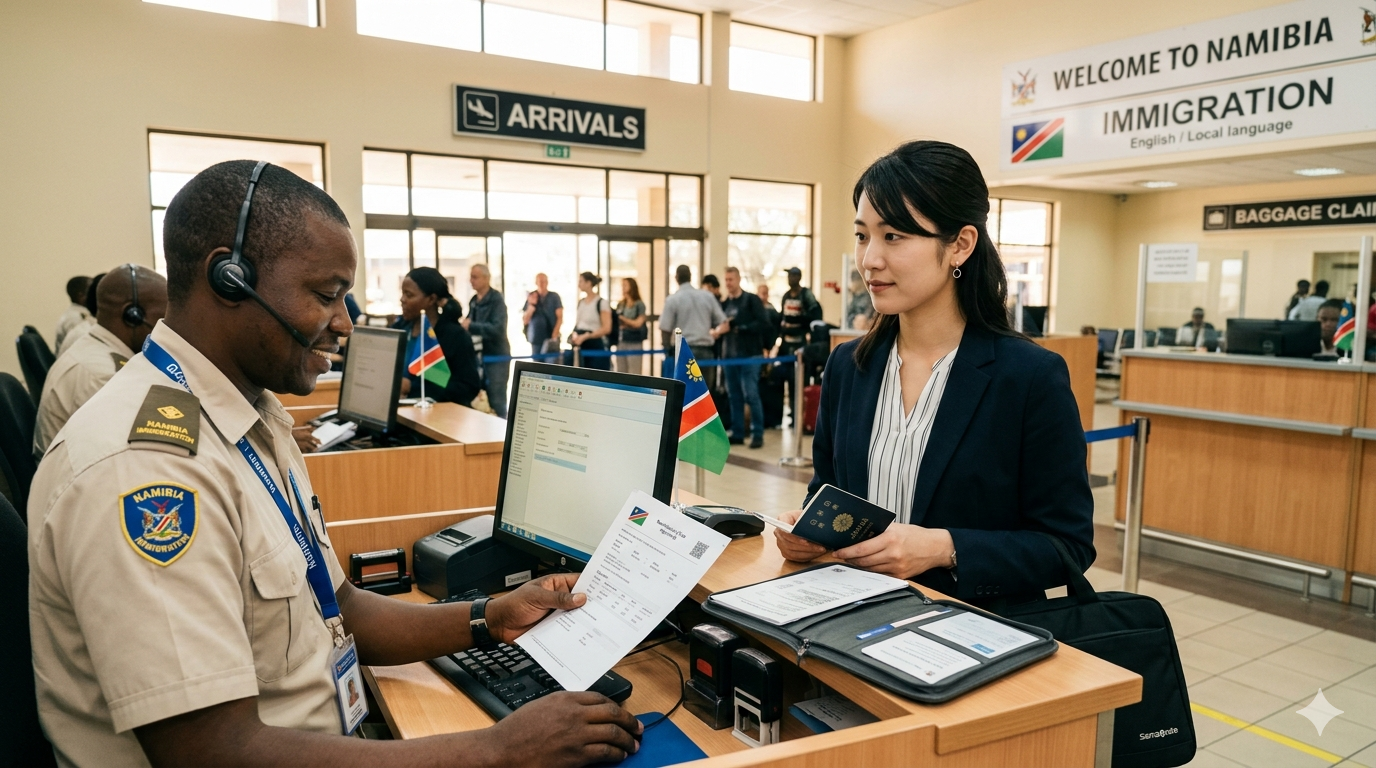
Yes, a visa on arrival is available but it’s not always the best idea.
Here’s why:
You might face long queues
Processing can be slower
There’s always a bit of uncertainty
After a long flight, standing in line is probably the last thing you want.
That’s why many travelers prefer the eVisa. You land, show your documents, and move on. Much smoother.
Extensions are possible, but not guaranteed. You’ll need to apply through Namibia’s immigration authorities and provide a valid reason for staying longer. Also, you may need to show proof of funds and updated travel plans. If you think you might want to stay longer, it’s better to plan ahead rather than depend on an extension.
A few simple things can make the whole experience smoother:
Apply early don’t rush it
Double-check all details before submitting
Keep documents clear and properly formatted
Save copies of everything (digital + printed)
Stick to your stated travel purpose
And honestly, don’t overthink it. The process is quite manageable once you get started.
The Namibia visa online for Japanese citizens has made travel planning much easier than before. You can handle everything from home without dealing with embassies or complicated paperwork. As long as your documents are in order and you apply with a bit of time to spare, the process is usually smooth. After that, it’s all about the experience of those wide-open landscapes, the wildlife, the quiet moments in the desert.
Namibia eVisa for Japanese citizens requirements 2026 How to apply Namibia visa online for Japanese passport holders Namibia visa requirements for Japanese citizens travel documents Do Japanese citizens need visa for Namibia or eVisa process


