Notifications

7 minutes, 28 seconds
-63 Views 0 Comments 0 Likes 0 Reviews
Construction efficiency has become a defining factor in successful building projects. As timelines grow tighter and expectations rise, builders and contractors are continuously searching for materials that simplify processes while maintaining high standards of quality. Modern construction methods prioritize speed, precision, and durability, making advanced bonding solutions an essential component of contemporary building practices.
Material innovation has significantly transformed how tiles are installed in residential, commercial, and industrial environments. Traditional installation methods often required extensive preparation, longer curing times, and greater labor effort. Today’s solutions focus on improving workflow efficiency while ensuring long-lasting structural integrity.
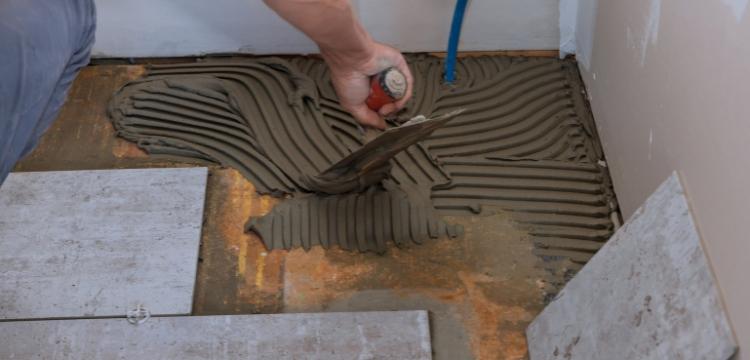
The evolution of building materials has introduced solutions that streamline installation processes and reduce project delays. Among these innovations, tile fixing adhesive plays a critical role in improving productivity and ensuring reliable performance across diverse construction applications.
Modern bonding solutions are designed to offer superior adhesion, faster setting times, and ease of application. These qualities enable construction teams to complete installations efficiently without compromising structural stability or aesthetic appeal. The improved performance of advanced adhesives contributes directly to better time management and resource utilization on construction sites.
One of the most significant advantages of modern tile bonding solutions is their ability to reduce installation time. Traditional cement-based methods often require multiple preparation steps, extended drying periods, and careful surface treatment. These processes can slow down construction schedules and increase labor requirements.
Advanced adhesive formulations simplify application by offering ready-to-use or easy-mix solutions that require minimal preparation. Their strong bonding capability allows tiles to be securely fixed with less material and reduced effort. Faster curing times enable construction teams to move quickly to subsequent project stages, improving overall workflow efficiency.
Reduced installation complexity also minimizes the need for specialized labor. Contractors can achieve consistent results with simplified application techniques, making the construction process more manageable and cost-effective.
Efficiency in construction is closely linked to the long-term performance of materials. High-quality bonding solutions enhance durability by creating strong adhesion between tiles and substrates. This improved bond strength helps prevent tile displacement, cracking, and surface damage over time.
Reliable adhesion ensures that tiled surfaces can withstand environmental stress, temperature variations, and regular usage. Enhanced durability reduces the likelihood of maintenance issues and structural failures, contributing to long-term cost savings.
Materials that deliver both efficiency and durability support sustainable construction practices by reducing repair requirements and extending the lifespan of building components.
Consistency is essential for achieving professional-quality construction outcomes. Uneven bonding, improper placement, or material inconsistency can lead to structural weaknesses and visual imperfections. Modern adhesives are engineered to provide uniform bonding strength and predictable performance.
Their smooth application characteristics allow for precise tile alignment and even distribution of bonding material. This precision enhances the final appearance of tiled surfaces while ensuring structural reliability.
Improved consistency reduces material waste and minimizes the risk of installation errors. Contractors benefit from greater control during application, leading to higher-quality results and improved project outcomes.
Construction efficiency is not limited to speed and productivity; it also involves maintaining safe and organized work environments. Traditional tile installation methods often involve handling heavy materials, extensive mixing processes, and prolonged exposure to dust.
Modern bonding solutions help improve workplace safety by reducing manual effort and simplifying material handling. Cleaner application processes contribute to better site organization and reduce potential health risks associated with dust and debris.
Efficient materials support safer working conditions by minimizing physical strain and simplifying installation procedures. Improved site management contributes to smoother project execution and better overall performance.
Versatility is another key factor that enhances construction efficiency. Modern adhesives are designed to perform effectively across various surfaces, including concrete, cement boards, and prepared substrates. Their adaptability allows contractors to use a single solution for multiple applications.
This versatility simplifies material selection and reduces the need for multiple bonding products. Contractors can streamline procurement processes and maintain consistency across different areas of a project.
Flexible application capabilities support a wide range of construction environments, from residential interiors to large commercial developments. Efficient materials that adapt to diverse conditions contribute to improved project management and faster completion.
Sustainability has become an important consideration in modern construction. Efficient materials help reduce environmental impact by minimizing waste, conserving resources, and improving energy performance. Advanced bonding solutions support these goals through optimized formulations and reduced material consumption.
By enabling precise application and strong adhesion, modern adhesives reduce the need for rework and material replacement. This efficiency contributes to resource conservation and supports environmentally responsible construction practices.
Sustainable construction approaches prioritize materials that enhance building performance while minimizing ecological impact. Efficient bonding solutions align with these goals by supporting durable, long-lasting installations.
Construction efficiency is driven by materials that enhance productivity, simplify processes, and ensure reliable performance. Advanced bonding solutions have transformed tile installation by reducing labor effort, improving durability, and supporting consistent results. Their contribution extends beyond speed, influencing safety, sustainability, and overall project quality.
As the construction industry continues to evolve, the demand for innovative materials that deliver both performance and efficiency will remain strong. By streamlining installation processes and supporting long-term structural integrity, modern bonding technologies play a vital role in shaping the future of construction.