Notifications

4 minutes, 21 seconds
-30 Views 0 Comments 0 Likes 0 Reviews
For preschoolers, learning to express thoughts, understand language, and interact socially sets the foundation for future academic success and personal confidence. Targeted speech therapy offers structured support that nurtures these essential skills, helping children develop communication abilities in a way that is both engaging and effective.
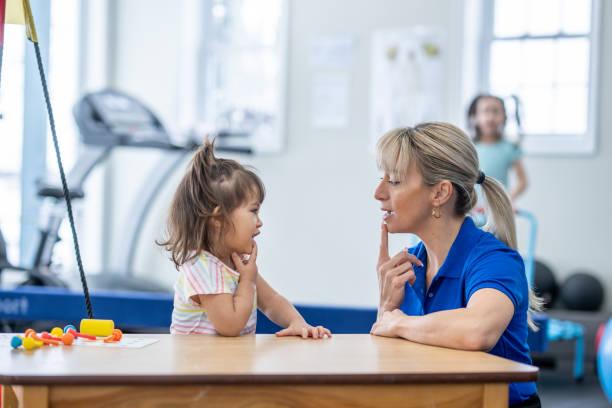
Speech therapy for preschoolers focuses on helping children articulate words and sentences more clearly. At this stage, children may struggle with sounds, pronunciation, or sentence structure. Through guided activities and playful exercises, therapists create opportunities for children to practice forming sounds correctly and using language in context. These early interventions can prevent frustration and build confidence, allowing preschoolers to express their needs and ideas with greater ease. By reinforcing correct speech patterns consistently, children gain a solid foundation for future reading and writing skills.
Beyond producing words, understanding language is crucial for learning. Speech therapy for preschoolers addresses comprehension by introducing children to vocabulary, following directions, and interpreting questions. Activities often involve listening games, story-based exercises, and interactive play that encourage children to respond appropriately and think critically about language. Developing comprehension skills at this age not only strengthens communication but also supports cognitive growth and problem-solving abilities, laying the groundwork for success in school and social interactions.
Communication is more than just words—it is the bridge to social connection. Targeted speech therapy also emphasizes the social use of language, helping preschoolers learn how to take turns in conversation, recognize emotions in speech, and respond appropriately to peers and adults. This guidance fosters emotional intelligence alongside verbal skills, encouraging children to build positive relationships and navigate social situations more confidently. Early practice in these areas can reduce social anxiety and make group interactions, like classroom activities, less overwhelming for young children.
Speech therapy for preschoolers is not limited to correcting specific sounds or vocabulary gaps; it is a tool for lifelong learning. Children who receive early support often approach reading, writing, and classroom discussions with increased confidence. By developing both expressive and receptive language skills, they are better prepared to engage with educational material and communicate effectively with teachers and classmates. This proactive approach can prevent learning delays and supports smoother transitions as children progress through early education.
An important aspect of speech therapy is its integration into everyday routines. Parents and caregivers play a key role by reinforcing skills at home, whether during play, storytelling, or mealtime conversations. These consistent opportunities for practice enhance the effectiveness of therapy, making communication a natural part of a child’s daily experience. By creating a supportive environment, families help preschoolers generalize skills beyond the therapy setting, ensuring long-term progress and confidence.
Targeted speech therapy for preschoolers is a powerful tool for fostering communication, comprehension, and social-emotional development. By addressing both the mechanics and the social use of language, therapy empowers young children to express themselves clearly, understand others, and interact with confidence. Early intervention lays a strong foundation for academic and personal success, highlighting the importance of nurturing communication skills during these formative years.