Notifications

5 minutes, 44 seconds
-16 Views 0 Comments 0 Likes 0 Reviews
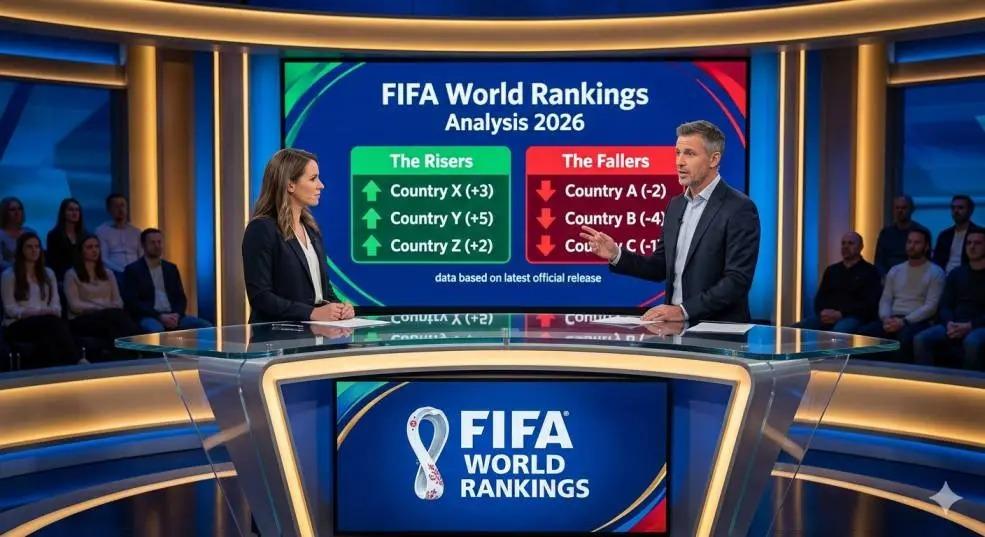
As the 2026 FIFA World Cup approaches, the FIFA World Rankings Analysis 2026 highlights the surprising teams that have risen and fallen in the global rankings. In this FIFA World Rankings Analysis 2026, some teams surprised us by climbing high. Others fell unexpectedly due to poor form, injuries, or tactical issues.
The trends in this FIFA World Rankings Analysis 2026 show shifts in international football strength. These changes reflect momentum before the biggest tournament in the world, not results.
The system calculates FIFA World Rankings using results from official international matches. It weighs these results by match importance, opponent strength, and regional strength.
While not a perfect reflection of true team quality, these rankings are widely used as an aim gauge of form and comparative ability. Rankings affect World Cup seedings, draw pots, and team confidence. So, they are key metrics before the tournament.
Several nations made notable gains in the most recent rankings update:
1. Morocco
Morocco's rise is impressive. They consistently perform well against strong African teams. Their results in friendlies and qualifiers are also competitive. Their tactical discipline, defensive solidity, and increasing depth have rewarded them with a significant jump in ranking points.
2. Canada
Host nation Canada continues to surprise. Canada’s key wins in CONCACAF and solid defense have boosted their consistency. This improvement has moved them into higher seed pots, raising hopes for fans and analysts.
3. Senegal
Senegal’s upward movement reflects a blend of experienced stars and emerging talents. Senegal showed strong results in the Africa Cup of Nations qualifiers.
They also performed well in competitive friendlies against European teams. This form earns them respect worldwide.
Not all teams maintained or improved their rankings. Some big names experienced surprising downturns:
Netherlands
The Netherlands had a strong qualifying run, but their ranking dropped. This was due to disappointing friendly matches and questions about their tactics. Concerns arose around squad depth and offensive creativity.
Japan
Japan’s descent in the rankings came as a surprise, especially considering their disciplined playing style. Fixture congestion hurt them. They also missed key players. On top of that, they lost to lower-ranked teams. These factors led to their slip.
Italy
Italy’s drop is partially attributed to transitional phases within the squad and managerial changes. Inconsistent results, despite moments of brilliance, have hurt their ranking points ahead of the World Cup.
FIFA World Rankings Analysis 2026: Key Risers and Fallers Before the World Cup. This report shares important insights for fans and experts.
Group Stage Implications: Higher rankings can lead to better group stage draws. This helps teams avoid early matches against other strong contenders.
Team Confidence: Rankings can boost teams climbing the charts. This gives them momentum for high-pressure matches.
Seeding and Pots: The final seedings and draw pots for the World Cup show these rankings. This means that teams that rise in rank might get a competitive edge with “easier” early matches.
Beyond individual team movements, the 2026 rankings suggest several larger trends:
Teams from Africa, Asia, and CONCACAF showed real progress. This growth highlights increased investment in youth programs and local leagues.
European Power Shifts: Traditional European powers are showing vulnerability. Tactical unpredictability and transitions are affecting their ranking points.
Global Tactical Evolution: The rankings show a shift. Now, more balanced and defensively strong teams are doing better. This change moves away from attack-focused strategies.
FIFA World Rankings Analysis 2026: The Shock Risers and Fallers Before the World Cup shows which teams have risen or fallen. It also highlights the changing competition in international football.
As millions of fans gear up for the 2026 World Cup, these rankings show which teams could fight for glory. They also highlight those that will need resilience and smart tactics to go far in the tournament.
The trends highlighted in this critical rankings analysis will undoubtedly shape the story of the next World Cup, not on the pitch.


