Notifications

13 minutes, 32 seconds
-10 Views 0 Comments 0 Likes 0 Reviews
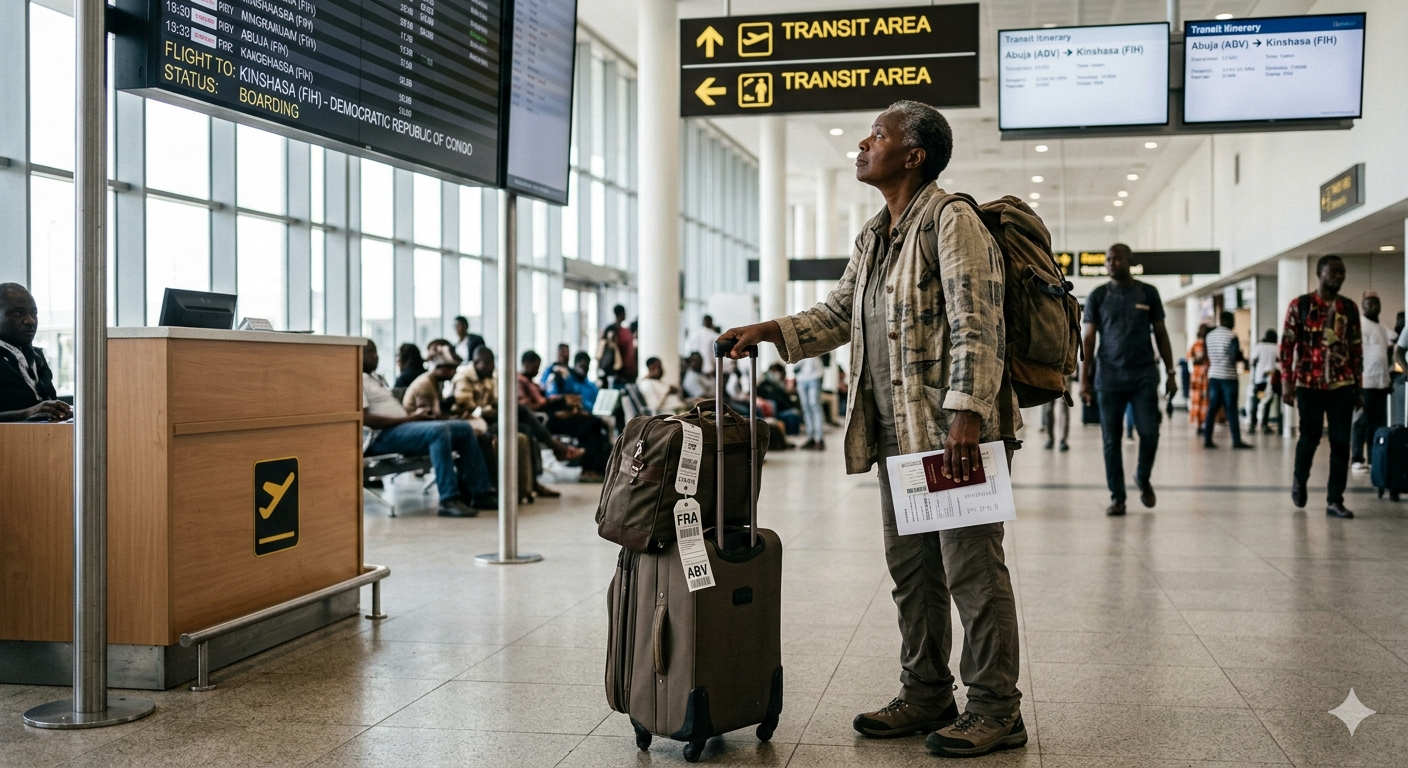
Traveling through Africa can be exciting, especially if your trip involves the Democratic Republic of the Congo Transit Visa: Complete Guide for Travelers. If you need a transit visa, understanding how it works will make your journey much easier and stress-free.
In this guide, I’ll explain everything you need — what documents to prepare, common mistakes to avoid, and tips for traveling with kids or pets. Think of this as planning the trip together. I’ll give simple, step-by-step advice so you feel ready and confident.
Here’s a simple breakdown:
Travel Tip: Even with Rush or Super Rush, apply a little early. It’s always good to have extra time for unexpected delays.
A transit visa for the Democratic Republic of the Congo is typically issued for a short maximum stay of 7 days. This allows enough time to complete your layover and move on to your final destination without issues.
It’s important to respect this limit. Overstaying even for a short time can result in fines or penalties that can affect future travel plans.
To avoid delays and make sure your application is accepted, here’s a helpful checklist of what you’ll generally need:
Each embassy or processing agent may have slight variations in what they request, so check beforehand to confirm what’s needed from your country.
Although some applications can be done through embassies, many travelers now choose to apply online because it’s more convenient and faster in many cases. Here’s the general process:
Once approved, you’ll either get a document or approval notification to present during travel. Always carry printed copies during your journey for peace of mind and smooth entry.
Yes! You can travel with your pets if they’re with you during your journey. However, many countries — including those where you transit or your final destination — have separate regulations for animals. Before you travel:
This preparation will make your experience with pets stress-free.

Yes — business travelers who are just passing through the country on their way to another destination can use a transit visa. It’s especially useful if your itinerary includes a meeting or transit point in the DRC but doesn’t involve staying longer or engaging in extended local business activities.
However, if you plan to conduct business within the country beyond a simple connection or brief stop, you’ll want to explore other visa categories suitable for business visits.
Travelers often trip up on these:
Avoid these by using a checklist and double-checking everything before submission.
In most cases, transit visas for the Democratic Republic of the Congo must be obtained before you travel. There’s typically no on-arrival option available, especially if your nationality isn’t exempt.
Always check the latest information for your passport type. Some nationalities are exempt or have special arrangements, but it’s safest not to assume this unless you’ve confirmed it.
Yes — transit permissions are typically checked at the airport where you land in the Democratic Republic of the Congo. The entry airport — such as one of the major international hubs — will be where authorities review your documents and any paperwork related to final destinations.
If you’re not leaving the international transit zone, the check might be different. But it’s safest to be prepared before arrival.

Absolutely! Children traveling with you who are part of your itinerary will also need a transit visa if they are required for your stopover. The application process is generally similar, but it’s a good idea to prepare additional documents such as birth certificates or parental consent letters if they’re traveling alone or with one parent.
Extra documentation provides peace of mind at every checkpoint and helps keep your journey seamless.
Most international airlines will allow a passenger with a valid transit visa to board flights that include a stop in the Democratic Republic of the Congo. Before booking your ticket, confirm with your airline that:
This step can help avoid denied boarding at your departure airport.
Each traveler — including children — generally needs their own transit visa. There isn’t typically a “single family transit visa” that covers multiple people. Always apply individually for each passport holder to avoid issues at check-in or border checkpoints.
A transit visa is needed if:
For some passport holders, transit may be allowed without additional permissions — but this varies by nationality. Always verify in advance for your specific situation.
Here are concise notes for travelers from different countries who may want to transit via the DRC:
These summaries help you know that many nationalities have streamlined approaches to transit permissions.
Yes! eVisa agents make getting a DRC transit visa much easier. They help by:
A trusted agent like congo-evisa.com can help you complete your application smoothly. They make sure everything is correct so you can focus on your trip without stress.

Navigating the Democratic Republic of the Congo Transit Visa process doesn’t have to be complicated. With clear planning, the right documents, and attentive preparation, you can make this part of your journey smooth and stress-free. Whether it’s a brief stopover or a longer layover adventure, trust this guide to help you feel confident and ready for takeoff!
Q1. Do all travelers need a transit permit to stop in the DRC?
Not all — it depends on how long your layover is and whether you leave the secure transit area. Always check specific requirements.
Q2. Can your transit permission be extended?
Generally, no — transit stays are meant to be short and extensions are uncommon.
Q3. What happens if my passport expires soon?
You’ll likely need to renew before applying — most permits require at least 6 months remaining validity.
Q4. Is it easier to apply online or through an embassy?
Many find online processing more convenient and faster, especially if you use a supportive processing partner.
Q5. Do I need proof of onward travel?
Yes — showing your confirmed itinerary helps authorities understand your travel plan.