

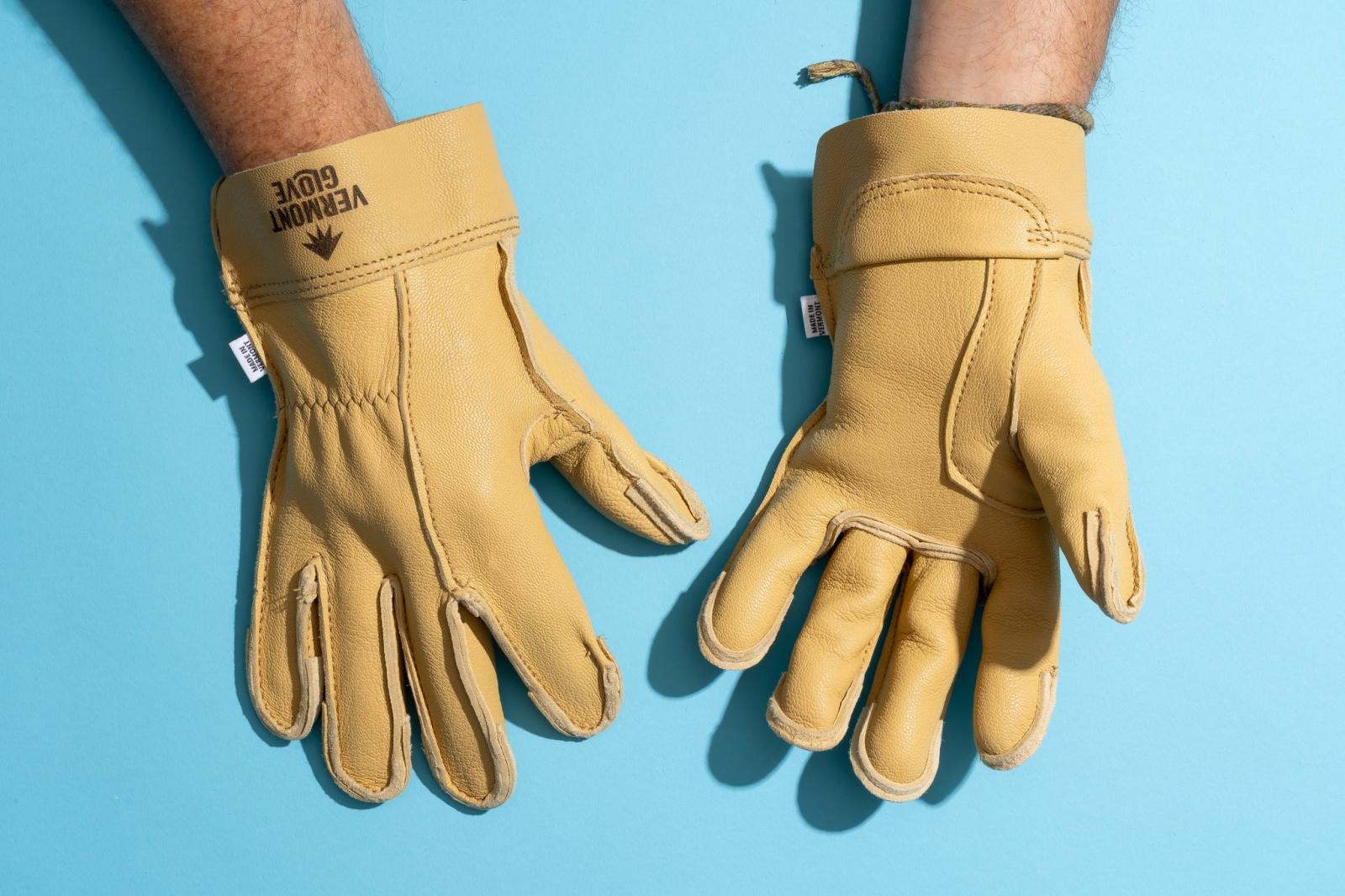
Gardening is both an art and a discipline. Whether cultivating a backyard vegetable patch, maintaining a landscaped estate, or managing a commercial nursery, the tools you use determine not only your efficiency but also your long term comfort and safety. Among those tools, gloves are often underestimated. Yet the right pair can significantly influence grip control, hand protection, and overall endurance.
For professionals, hobbyists, and garden focused brands alike, the shift toward custom gardening gloves reflects a deeper understanding of performance, personalization, and identity. Rather than settling for generic options, growers and businesses are recognizing the value of gloves designed around specific needs, climates, materials, and visual preferences.
This article explores how tailored gardening gloves elevate functionality, safety, branding, and sustainability while enhancing the daily experience of working with soil and plants.
Understanding the Role of Gloves in Modern Gardening
Gloves serve multiple purposes in gardening. They protect hands from sharp thorns, abrasive soil, splinters, insects, and moisture. They also improve grip, reduce friction, and support repetitive hand movements such as pruning, digging, and transplanting.
However, not all gloves are designed equally. Standard, mass produced options often focus on basic protection without considering ergonomics, breathability, or the specific tasks gardeners perform. Over time, poorly fitted gloves can cause discomfort, blisters, or reduced dexterity.
Tailored gloves address these shortcomings by aligning material choice, fit, grip texture, and durability with the intended use. The result is a better balance between protection and control.
Why Fit and Ergonomics Matter More Than You Think
A glove that fits correctly becomes an extension of the hand. One that does not can hinder precision and increase fatigue.
When gloves are too tight, they restrict circulation and finger movement. When too loose, they reduce grip strength and create friction points. A personalized fit accounts for hand measurements, finger length proportions, and flexibility zones.
Ergonomic design also plays a critical role. Reinforced palms, flexible knuckle panels, and strategically placed seams reduce pressure during repetitive tasks such as pruning shrubs or planting seedlings. For professionals who spend hours outdoors, these details significantly improve endurance and reduce strain.
Materials That Match the Task
Different gardening tasks demand different materials. A single glove style rarely covers every scenario.
Natural Fibers
Cotton and bamboo blends offer breathability and comfort for light tasks like potting and seed planting. They are ideal for warm climates where ventilation is essential.
Leather
Leather gloves provide superior protection against thorns, rough branches, and heavy debris. They are durable and resistant to punctures, making them suitable for landscaping and rose gardening.
Synthetic Coated Fabrics
Nitrile or latex coated gloves enhance grip in wet or muddy conditions. They are often used for vegetable gardening or irrigation work where moisture resistance is critical.
Hybrid Constructions
Some designs combine breathable fabric backs with reinforced palms and fingertips. This hybrid approach offers dexterity and durability simultaneously.
Choosing materials based on usage is one of the primary advantages of customization. It ensures the glove supports the gardener’s real environment rather than forcing adaptation to a generic product.
Climate and Seasonal Considerations
Gardening is not a one season activity. From early spring planting to late autumn pruning, gloves must adapt to changing conditions.
In colder regions, insulated linings help maintain warmth without sacrificing movement. In humid or hot climates, moisture wicking fabrics prevent sweat buildup and discomfort. UV resistant materials protect hands from prolonged sun exposure during summer months.
A tailored approach allows glove specifications to reflect geographic and seasonal realities. This is particularly important for professional growers and landscape teams who work year round.
Branding Opportunities for Garden Centers and Landscaping Companies
Beyond performance, personalized gloves offer strong branding potential. Garden centers, nurseries, landscaping firms, and agricultural suppliers often seek practical merchandise that reinforces identity.
Branded gloves can serve multiple purposes
-
Staff uniforms that present a cohesive, professional image
-
Retail merchandise for customers
-
Promotional items at trade shows and gardening events
-
Corporate gifts for environmentally focused campaigns
Unlike disposable promotional products, quality gloves provide long term visibility. Every time they are worn, they reinforce brand recognition in a functional and meaningful way.
Sustainability and Responsible Manufacturing
Sustainability is a growing priority within gardening communities. Many gardeners are environmentally conscious and prefer products aligned with eco friendly values.
Custom production allows brands to select sustainable materials such as organic cotton, recycled polyester, or responsibly sourced leather. Manufacturing processes can also prioritize reduced waste, ethical labor standards, and durable construction that extends product lifespan.
Durability itself is an environmental benefit. Gloves that last longer reduce waste and decrease the need for frequent replacements. This aligns with the broader principles of sustainable gardening.
Enhanced Safety and Risk Reduction
Gardening may seem gentle, but it involves sharp tools, thorny plants, soil borne microbes, and physical strain. High quality gloves reduce exposure to cuts, punctures, and skin irritation.
Reinforced fingertips protect against splinters. Padded palms reduce vibration from tools. Extended cuffs shield wrists and forearms from scratches. Water resistant coatings prevent prolonged contact with damp soil that can cause skin issues.
For commercial operations, investing in better gloves can also support workplace safety standards and reduce minor injuries. This contributes to both employee well being and operational efficiency.
Comfort That Encourages Productivity
Comfort is not a luxury in gardening. It directly impacts productivity.
When hands feel secure and comfortable, gardeners can focus on technique rather than discomfort. Tasks are completed more efficiently, and fatigue sets in more gradually. For hobbyists, comfort enhances enjoyment. For professionals, it supports consistent output.
Small details such as breathable panels, flexible stitching, and balanced weight distribution create a noticeable difference over long hours outdoors.
The Psychological Value of Personalization
There is also a psychological dimension to tailored equipment. Personalization fosters a sense of ownership and pride.
A gardener using gloves designed to meet their exact needs feels more confident and prepared. For brands, custom colors and logos reinforce identity. For community gardening groups, coordinated designs create unity and belonging.
These intangible benefits strengthen both personal satisfaction and professional presentation.
Selecting the Right Specifications
Choosing the right glove specifications requires a thoughtful approach.
First, identify primary tasks. Are they light planting, heavy landscaping, or thorn intensive pruning?
Second, evaluate climate conditions. Consider temperature, humidity, and exposure to water or chemicals.
Third, determine durability expectations. Is the glove for occasional weekend use or daily professional work?
Fourth, consider branding elements. Logo placement, color schemes, and packaging design should align with overall identity.
Finally, ensure size ranges accommodate diverse hand shapes. Inclusivity in sizing improves comfort and satisfaction.
The Role of Quality Control
Consistency matters. Even the most thoughtful design loses value without reliable production standards.
Quality control includes testing for tear resistance, seam strength, coating durability, and color stability. Reliable suppliers perform inspections at multiple stages to maintain uniform performance across batches.
For businesses ordering in bulk, this reliability ensures that every pair meets the same standards of comfort and protection.
Innovations in Gardening Glove Technology
Modern manufacturing continues to improve glove performance.
Advanced grip textures enhance control on smooth or wet surfaces. Touchscreen compatible fingertips allow gardeners to use smartphones without removing gloves. Anti microbial treatments reduce odor and bacterial growth. Ergonomic shaping mirrors natural hand curves for improved dexterity.
These innovations demonstrate that gardening gloves are evolving tools rather than static accessories.
Supporting Professional Identity in Landscaping
For landscaping professionals, appearance influences perception. Uniform gloves that align with company branding create a polished look when interacting with clients.
Clients often associate professional equipment with expertise and reliability. Clean, well designed gloves signal attention to detail. This subtle visual cue can strengthen trust and reinforce brand credibility.
Cost Efficiency Over Time
While personalized gloves may require an initial investment, long term value often outweighs upfront cost.
Durable construction reduces replacement frequency. Improved comfort decreases downtime from discomfort. Enhanced safety lowers minor injury risks. For businesses, branding value adds marketing impact beyond the product itself.
Viewed holistically, well designed gloves represent an investment in efficiency, safety, and reputation.
How Tailored Gloves Support Different Gardening Niches
Different segments of the gardening industry have distinct needs.
Home gardeners prioritize comfort and style. Organic growers value eco friendly materials. Commercial farms require durability and bulk consistency. Botanical gardens focus on staff professionalism. Educational gardening programs appreciate branding for identity and community building.
Customization allows each niche to align glove design with its operational goals.
Maintenance and Care for Longevity
Even high quality gloves require proper care.
Cleaning instructions vary by material. Fabric gloves often benefit from gentle machine washing, while leather options require conditioning to prevent cracking. Proper drying is essential to maintain shape and integrity.
Storing gloves in a cool, dry place prevents mold growth and material degradation. Encouraging users to follow care guidelines maximizes product lifespan.
Looking Ahead at the Future of Gardening Gear
As gardening continues to blend tradition with innovation, protective gear will evolve alongside it. Increased focus on ergonomics, sustainability, and branding will shape future designs.
Gloves will likely integrate smarter materials, improved breathability, and enhanced adaptability to different tasks. Personalization will remain central, reflecting the diverse ways people engage with soil, plants, and landscapes.
The move toward tailored solutions is not a trend. It is a reflection of growing awareness that details matter in both performance and presentation.
Frequently Asked Questions
Are personalized gardening gloves suitable for beginners
Yes. Beginners benefit from improved comfort and fit just as professionals do. A well fitting glove reduces blisters and makes learning new techniques more comfortable.
Can these gloves be used for heavy landscaping tasks
When designed with reinforced materials and durable stitching, they can handle demanding tasks such as pruning, digging, and debris removal.
Are eco friendly materials durable enough for regular use
Many sustainable fabrics offer excellent strength and resilience. Durability depends on material quality and construction standards rather than whether the material is natural or recycled.
How long do high quality gardening gloves typically last
Lifespan varies by usage intensity and care. With proper maintenance, well constructed gloves can last significantly longer than basic mass produced alternatives.
Is branding on gloves long lasting
When applied through quality printing or embroidery techniques, logos and designs can withstand repeated washing and extended outdoor use.
Gardening is an ongoing relationship between people and the natural world. The tools chosen for that journey shape both experience and outcome. Thoughtfully designed gloves enhance comfort, safety, and identity, allowing gardeners and professionals alike to work with confidence and care.


