Notifications

11 minutes, 32 seconds
-49 Views 0 Comments 0 Likes 0 Reviews
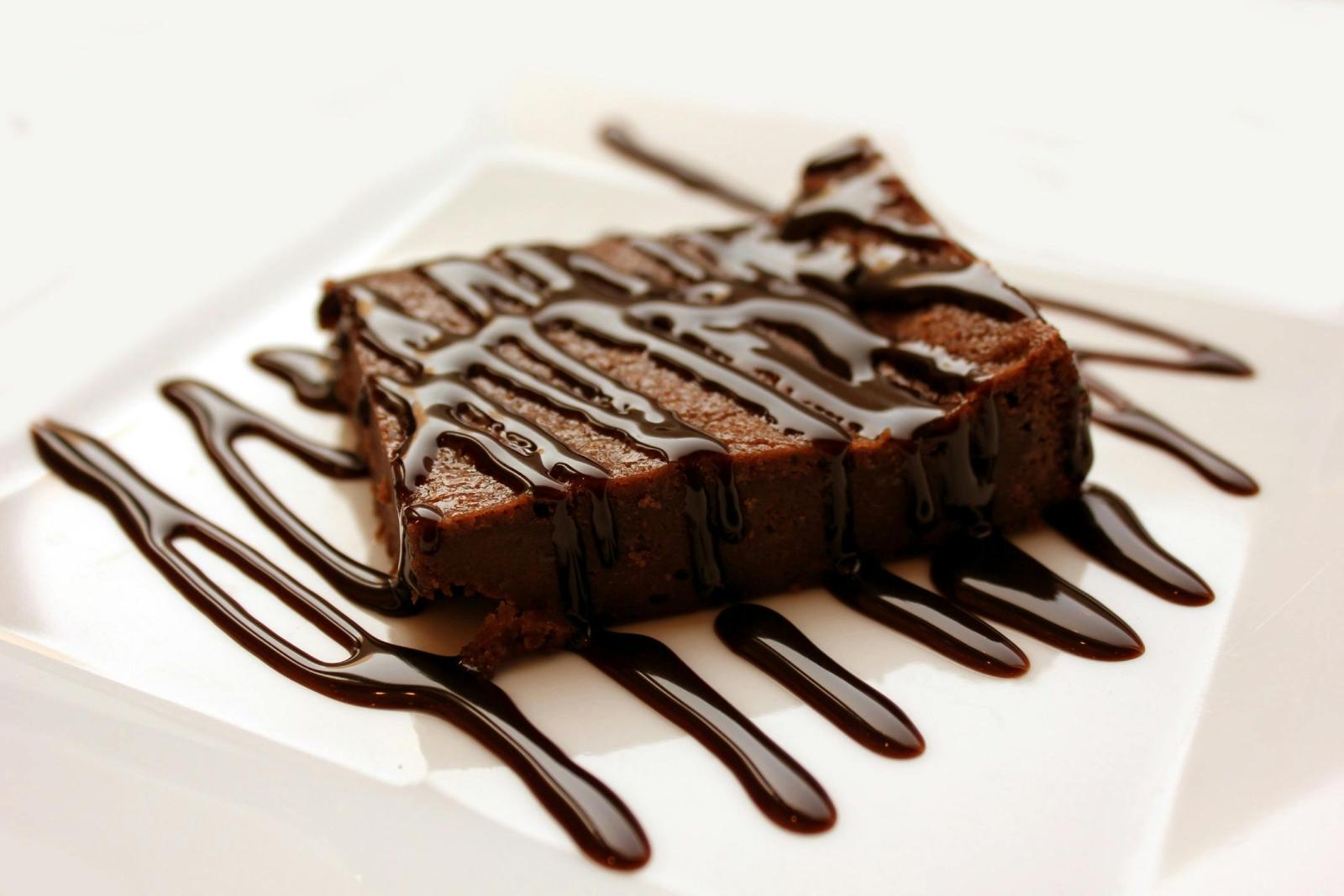
Few desserts capture the hearts of chocolate lovers quite like brownies. Rich, dense, and irresistibly chocolatey, brownies have become a timeless favorite in bakeries and home kitchens around the world. Whether served warm with a scoop of ice cream, paired with coffee, or enjoyed on their own, brownies offer the perfect balance between cake and cookie.
Over the years, brownies have evolved into many variations — from classic fudgy squares to soft brownie cake textures and layered desserts that combine the richness of chocolate with creative flavors. Despite these variations, the core appeal remains the same: a deep chocolate flavor with a satisfying texture that melts in your mouth.
In this guide, we’ll explore what makes brownies so popular, the secrets behind a perfect brownies recipe, and how you can create delicious brownies at home that rival those from professional bakeries.
The History of Brownies
Brownies originated in the United States in the late 19th century. Unlike traditional cakes, brownies were designed to be denser, richer, and easier to serve in small portions. They quickly became popular because they required simple ingredients and minimal preparation.
Early brownies were often closer to a brownies cake, with a slightly lighter texture. Over time, bakers experimented with ingredients and baking techniques to create the fudgy brownies that many people love today.
Today, brownies are found in bakeries, cafés, and dessert shops worldwide, and they continue to inspire new variations that push the boundaries of chocolate desserts.
Why Brownies Are So Popular
Brownies stand out among desserts because they combine simplicity with indulgence. They are easy to prepare yet incredibly satisfying.
Several reasons explain their enduring popularity:
They require basic ingredients found in most kitchens
The preparation process is straightforward
They can be customized with different flavors and toppings
They deliver a rich chocolate experience
Brownies also bridge the gap between cookies and cake. Some recipes produce dense, chewy squares, while others create a softer brownies cake texture that resembles a chocolate dessert bar.
This versatility allows brownies to adapt to different tastes and occasions.
Understanding Brownie Texture
One of the most interesting aspects of brownies is how small changes in ingredients affect the final texture.
Generally, brownies fall into three categories:
1. Fudgy Brownies
Fudgy brownies are dense and moist with an intense chocolate flavor. They contain a higher fat-to-flour ratio, which gives them their signature richness.
2. Chewy Brownies
Chewy brownies have a slightly firmer structure but remain soft and satisfying. The use of both melted chocolate and cocoa powder often creates this balanced texture.
3. Cake-Like Brownies
Cake-like brownies resemble a light brownie cake, with a fluffier interior and softer crumb. They typically contain more flour and sometimes an extra egg to provide structure.
Choosing the right texture depends on personal preference, but many chocolate lovers favor the rich, fudgy style.
Essential Ingredients for a Perfect Brownies Recipe
A great brownies recipe relies on a few key ingredients that work together to create flavor and texture.
Chocolate
Chocolate is the star ingredient. Using high-quality dark chocolate or cocoa powder ensures a deeper flavor.
Butter
Butter adds richness and moisture. It also contributes to the smooth, melt-in-your-mouth texture brownies are known for.
Sugar
Sugar sweetens the dessert and influences the texture. Higher sugar content can create a shinier crust and softer interior.
Eggs
Eggs bind the ingredients together and help structure the brownies.
Flour
Flour provides structure but should be used sparingly. Too much flour can turn brownies into a dry cake.
Balancing these ingredients is the key to achieving the perfect brownie.
A Classic Brownies Recipe
Below is a simple recipe that produces rich and fudgy brownies.
Ingredients
200 g dark chocolate
150 g unsalted butter
1 cup sugar
2 large eggs
1 teaspoon vanilla extract
¾ cup all-purpose flour
¼ cup cocoa powder
½ teaspoon salt
Optional additions:
Chocolate chips
Chopped walnuts
Caramel swirls
Instructions
Preheat the oven
Set the oven to 175°C (350°F) and line a baking pan with parchment paper.
Melt the chocolate and butter
In a heatproof bowl, melt the chocolate and butter together until smooth.
Mix sugar and eggs
In another bowl, whisk the sugar and eggs until the mixture becomes slightly thick and glossy.
Combine the mixtures
Slowly pour the melted chocolate mixture into the egg mixture while stirring.
Add dry ingredients
Sift the flour, cocoa powder, and salt, then gently fold them into the batter.
Pour into the pan
Spread the batter evenly in the prepared baking pan.
Bake
Bake for about 20–25 minutes. The center should remain slightly soft.
Cool before cutting
Allow the brownies to cool completely before slicing into squares.
The result is a rich chocolate dessert with a fudgy center and delicate crust.
Tips for Better Brownies
Professional bakers often rely on small techniques that significantly improve brownies.
Use Quality Chocolate
High-quality chocolate creates a richer flavor.
Do Not Overmix
Overmixing the batter develops gluten, which can make brownies tough.
Avoid Overbaking
Brownies should remain slightly soft in the center when removed from the oven.
Let Them Rest
Cooling allows the structure to set, making the brownies easier to cut.
These simple tips can elevate any brownies recipe and produce bakery-quality results.
Creative Brownie Variations
Brownies provide a perfect base for experimentation. Many modern dessert recipes build on traditional brownies to create new textures and flavors.
Popular variations include:
Brownie cake
A thicker version baked in cake pans and sometimes layered with frosting.
Stuffed brownies
Brownies filled with caramel, peanut butter, or cream cheese.
Nut brownies
Adding walnuts or pecans for extra crunch.
Chocolate overload brownies
Combining cocoa powder, chocolate chips, and melted chocolate.
These variations demonstrate how flexible brownies can be while still maintaining their signature richness.
Brownies in Modern Dessert Culture
In recent years, brownies have become an essential part of modern dessert menus. Cafés, bakeries, and dessert shops frequently feature brownies alongside cookies and cakes.
Many bakeries also experiment with presentation by turning brownies into layered desserts, brownies cake, or plated chocolate treats served with ice cream and sauces.
Social media has also played a role in popularizing brownies. Images of gooey chocolate centers and perfectly sliced squares have inspired countless home bakers to try their own versions.
Serving Ideas for Brownies
Brownies can be enjoyed in many ways depending on the occasion.
Some popular serving ideas include:
Warm brownies with vanilla ice cream
Brownies topped with chocolate ganache
Brownie cake slices served with whipped cream
Brownies paired with fresh berries
Because of their rich flavor, brownies pair well with beverages such as coffee, milk, or espresso.
Final Thoughts
Brownies have earned their place among the most beloved chocolate desserts in the world. Their rich flavor, satisfying texture, and simple preparation make them accessible to both beginner and experienced bakers.
Whether you prefer a classic square, a soft brownie cake, or creative variations with added ingredients, brownies continue to offer endless possibilities. With the right ingredients and techniques, anyone can create delicious homemade brownies that rival those from professional bakeries.
At the heart of every great brownies recipe is a commitment to quality chocolate, balanced ingredients, and careful baking. Master these basics, and you’ll discover why brownies remain one of the most irresistible desserts ever created.


