Notifications

7 minutes, 43 seconds
-60 Views 0 Comments 0 Likes 0 Reviews
The rapid evolution of technology has completely transformed the way businesses operate across the globe. From startups to multinational corporations, organizations are shifting their infrastructure to digital platforms that are scalable, secure, and cost-efficient. This transformation has created an enormous demand for skilled professionals who can manage, deploy, and optimize modern IT environments. As a result, learners today are actively seeking flexible and industry-oriented learning paths that can help them stay relevant in a competitive job market.
One of the biggest advantages of modern learning is accessibility. With the right training approach, anyone can gain advanced technical skills without being limited by geography, time, or traditional classroom constraints. This has opened new doors for students, working professionals, and career switchers who want to upskill without disrupting their existing commitments.
Businesses today rely heavily on digital systems to store data, manage applications, and deliver services efficiently. Traditional IT infrastructure often struggles to keep up with growing workloads, security threats, and performance expectations. This is why organizations are rapidly adopting advanced computing solutions that allow them to scale resources on demand and pay only for what they use.
This shift has created a strong demand for professionals who understand system architecture, data management, virtualization, automation, and security. Companies are no longer just looking for theoretical knowledge; they want practical expertise that can be applied immediately in real-world environments.
Professionals with hands-on experience are better positioned to secure high-paying roles, freelance opportunities, and leadership positions in IT teams.
Online education has changed how people learn technical skills. Instead of being tied to fixed schedules or physical classrooms, learners now have the freedom to study at their own pace. This flexibility is especially beneficial for working professionals who want to enhance their skill set without leaving their jobs.
Well-structured Cloud Computing Courses Online provide learners with access to expert instructors, real-time projects, recorded sessions, and updated curriculum aligned with industry standards. These programs are designed to balance theory with practical exposure, ensuring that students gain job-ready skills.
Another key advantage of online learning is global exposure. Learners get familiar with tools and platforms used by international organizations, which significantly improves employability in both domestic and global markets.
Online courses are suitable for a wide range of learners, including:
Fresh graduates looking to start a career in IT
Working professionals aiming for career growth
System administrators and developers seeking specialization
Entrepreneurs wanting to manage their own digital infrastructure
Career switchers entering the tech industry
Even individuals from non-technical backgrounds can benefit, as many programs start with fundamentals and gradually move toward advanced concepts.
A well-designed training program focuses on building both technical and professional skills. Learners typically gain expertise in:
Understanding modern system architecture
Managing servers, storage, and databases
Deploying applications efficiently
Ensuring data security and compliance
Automating routine operational tasks
Monitoring system performance and costs
These skills are highly transferable and can be applied across industries such as IT services, healthcare, finance, e-commerce, and education.
Professionals who complete Cloud Computing Courses Online are eligible for a wide range of roles, including:
Cloud Engineer
Solutions Architect
DevOps Engineer
System Administrator
Technical Consultant
Site Reliability Engineer
With experience, professionals can move into senior positions such as cloud architects or infrastructure managers. Many learners also choose freelancing or remote job opportunities, which offer flexibility and global exposure.
Choosing the right training provider plays a crucial role in career success. Industry-aligned programs emphasize real-world scenarios, live projects, and certification preparation. Learners who combine online learning with structured mentorship gain deeper insights into practical challenges faced by organizations.
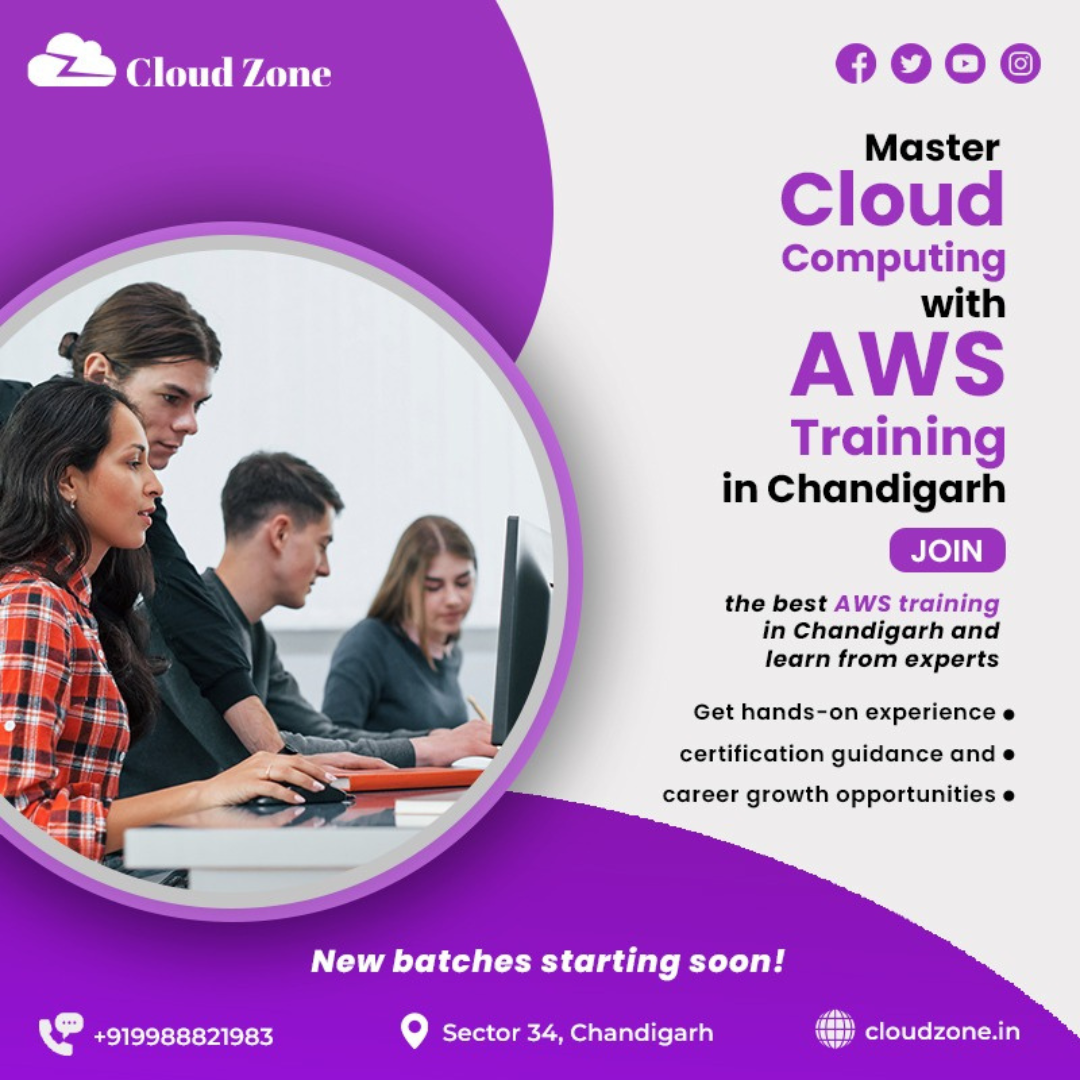
For learners in North India, combining online education with localized support such as AWS training in Chandigarh can be especially beneficial. This hybrid approach offers the flexibility of online learning along with the advantage of regional guidance and placement support.
Technology continues to evolve, and professionals must continuously update their skills. Online platforms make it easier to learn new tools, upgrade certifications, and stay aligned with industry trends. Continuous learning ensures job security and opens doors to leadership roles.
Moreover, employers value candidates who show initiative and adaptability. Completing advanced training programs demonstrates commitment to professional growth and technical excellence.
The future belongs to professionals who can adapt to technological change and leverage digital solutions effectively. Investing in Cloud Computing Courses Online is a smart move for anyone looking to build a stable, high-growth career in today’s digital economy. With flexible learning, practical exposure, and strong career prospects, online training has become a powerful pathway to success.
Yes, most programs start with foundational concepts and gradually move to advanced topics, making them ideal for beginners.
Absolutely. Online courses are designed with flexible schedules, allowing professionals to learn alongside their jobs.
Yes, quality programs include live projects, case studies, and hands-on labs to ensure real-world exposure.
Learners can apply for multiple roles in IT infrastructure and operations, with opportunities for rapid career advancement.
Yes, employers value skills and practical knowledge. Certifications and project experience further strengthen credibility.


