Notifications

11 minutes, 31 seconds
-37 Views 0 Comments 0 Likes 0 Reviews
Digital nutrition is undergoing a fundamental shift as artificial intelligence becomes deeply embedded in how people plan, track and optimize their diets. For businesses, startups and health-tech innovators, AI diet planner app development is no longer a speculative trend but a high-demand service opportunity driven by data-driven wellness, preventive healthcare and personalized user experiences. Modern users expect more than static meal plans; they want adaptive, intelligent systems that evolve with their bodies, preferences and lifestyles.
This growing demand is creating a new generation of nutrition platforms where algorithms analyze behavior, health signals and food data to deliver precise recommendations. From fitness brands and healthcare providers to wellness startups and enterprise platforms, the AI-powered diet planner is becoming a strategic digital product rather than a simple utility.
The surge in AI-powered nutrition tools is closely tied to changing consumer behavior. Users are overwhelmed by generic diet advice and conflicting nutritional information. AI-based systems solve this by translating complex data into actionable, personalized guidance. These apps learn continuously from user input such as eating habits, goals, allergies, metabolic patterns and even cultural food preferences.
From a business perspective, AI-based nutrition apps offer scalability and differentiation. Instead of relying solely on human dietitians or static content, companies can deploy intelligent systems that support thousands or millions of users simultaneously while maintaining personalization. This combination of scale and relevance is why AI diet planner app development has become a core focus for digital health service providers.
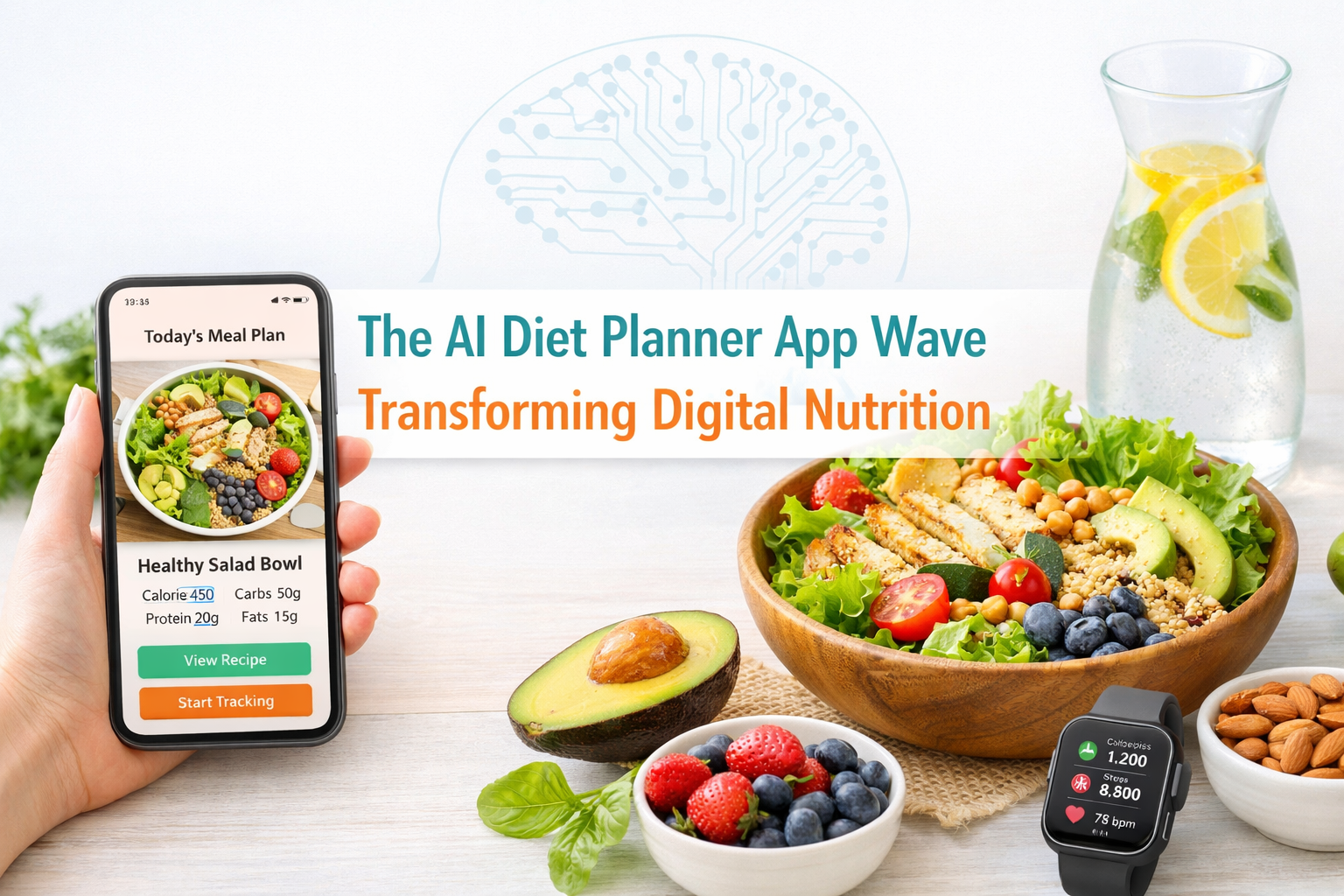
Another major driver is integration. Today’s diet planner apps are not isolated products; they connect with wearables, fitness trackers, smart scales and health records. AI acts as the central intelligence layer, transforming raw data into insights that users can trust and act upon.
At the technical level, AI-powered diet planning relies on multiple intelligent components working together. Machine learning models process historical data, while predictive analytics anticipate user needs and outcomes. Natural language processing enables conversational interfaces, making nutrition guidance feel more human and accessible.
These systems are trained on extensive food databases, nutritional science research and behavioral data. Over time, the app refines its recommendations, adjusting portion sizes, meal timing and nutrient balance based on progress and feedback. This adaptive capability is what sets AI-driven platforms apart from traditional nutrition apps.
For service seekers, it’s important to understand that successful AI diet planner app development is not just about adding AI features. It requires thoughtful data architecture, secure handling of sensitive health information and alignment with user goals. Businesses that invest in this foundation gain long-term product value rather than short-lived novelty.
AI-powered apps dynamically generate meal plans based on user goals such as weight management, muscle gain, medical conditions, or lifestyle choices. Unlike manual planning, AI adapts recommendations in real time, responding to user behavior and progress without requiring constant intervention.
Users value clear explanations, not just recommendations. AI systems can provide contextual insights, explaining why certain foods are suggested and how they align with personal goals. This educational layer increases trust and long-term engagement.
Advanced diet planner apps go beyond logging meals. By analyzing trends, AI predicts potential plateaus or nutrient deficiencies and proactively suggests adjustments. This predictive capability enhances results and reduces user frustration.
These features collectively demonstrate why businesses increasingly seek specialized partners for AI diet planner app development rather than relying on generic app templates.
The commercial potential of AI-driven nutrition apps spans multiple industries. Fitness brands use them to enhance customer retention, healthcare organizations integrate them into preventive care programs and wellness startups build subscription-based models around personalized nutrition.
For companies offering full-cycle mobile app development, AI diet planners represent a high-value product category. From ideation and UX design to AI model deployment and post-launch optimization, these projects demand end-to-end expertise. This creates opportunities for development firms to position themselves as strategic partners rather than just technical vendors.
Additionally, enterprises are increasingly interested in white-label or custom solutions that align with their brand identity and data ecosystems. This is where custom AI development services become essential, enabling tailored algorithms, proprietary data integration and unique user experiences that competitors cannot easily replicate.
AI diet planner apps rarely operate in isolation. They often form part of a larger digital health ecosystem that includes fitness coaching, mental wellness and medical support. Integration with wearable devices allows continuous data flow, while APIs connect the app to external platforms such as telehealth services or corporate wellness dashboards.
In some projects, AI-based diet planning is combined with a calories counter app development service to offer users both macro-level insights and detailed nutritional tracking. The AI layer interprets this data, reducing manual effort while maintaining accuracy. This hybrid approach appeals to both casual users and those with specific health objectives.
From a strategic standpoint, businesses that build interoperable nutrition platforms gain flexibility. They can expand features, enter new markets and adapt to evolving regulations without rebuilding their core systems.
One of the most common questions businesses ask relates to AI development cost. The investment required for AI diet planner app development varies depending on complexity, data requirements and scalability goals. Factors such as algorithm sophistication, third-party integrations, compliance standards and ongoing model training all influence cost.
However, focusing solely on upfront expenses can be misleading. AI-powered nutrition apps often deliver long-term ROI through subscription models, data-driven upselling and improved user retention. When designed strategically, the AI component reduces operational costs by automating personalization and support functions that would otherwise require significant human resources.
For service seekers, the key is to align development scope with business objectives. A well-planned AI nutrition app balances innovation with practicality, ensuring that every feature contributes measurable value.
As AI becomes more involved in personal health decisions, trust and transparency become critical. Users need confidence that recommendations are evidence-based, unbiased and respectful of their privacy. Ethical AI practices, clear data policies and explainable algorithms are no longer optional features; they are competitive differentiators.
From a development perspective, this means implementing robust data security measures, anonymization techniques and compliance with health data regulations. Businesses that prioritize responsible AI usage not only reduce risk but also build stronger brand credibility in a crowded digital health market.
Looking ahead, AI-powered nutrition platforms are expected to become more context-aware and predictive. Advancements in biometric data analysis, microbiome research and behavioral science will further refine personalization. Voice assistants, augmented reality food recognition and real-time metabolic feedback are likely to become standard features rather than experimental additions.
For businesses seeking growth opportunities, AI diet planner app development offers a unique intersection of technology, health and user engagement. Those who invest early in intelligent, scalable solutions position themselves as leaders in the evolving digital nutrition landscape.
The rise of AI-powered diet planner apps reflects a broader shift toward personalized, data-driven health solutions. For businesses and service seekers, AI diet planner app development represents more than a technical project; it is an opportunity to create meaningful digital experiences that improve lives while generating sustainable value. By combining intelligent algorithms, thoughtful design and responsible data practices, organizations can lead the next phase of digital nutrition and wellness innovation.
AI diet planner apps continuously learn from user data, adapting recommendations over time instead of relying on static meal plans or manual updates.
Yes, startups can leverage AI-based nutrition apps to differentiate their offerings, especially when targeting niche audiences or specific health goals.
Timelines vary based on features and complexity, but most projects require careful planning, data preparation and iterative testing to ensure accuracy and usability.
Modern AI nutrition apps are designed for integration, allowing seamless connections with wearables, fitness apps and healthcare systems.
mobile app development ai development services AI diet planner app development