Notifications

6 minutes, 45 seconds
-334 Views 0 Comments 0 Likes 0 Reviews
Understanding Autism in Early Childhood
Autism Spectrum Disorder (ASD) is a developmental condition that affects how a child communicates, interacts socially, and responds to their surroundings. Autism is called a “spectrum” because signs and abilities vary widely from one child to another. While every toddler develops at their own pace, recognizing early signs of autism can help parents seek timely evaluation and support. Early awareness plays a key role in helping children reach their full potential.
Why Early Identification Is Important
The toddler years are a critical period for brain development. During this time, children learn language, social skills, and emotional regulation. Identifying autism early allows families to access early intervention centre for autism services that support communication, learning, and behavior. Early support does not change who a child is, but it can greatly improve daily functioning and long-term outcomes.
Delays in Speech and Communication
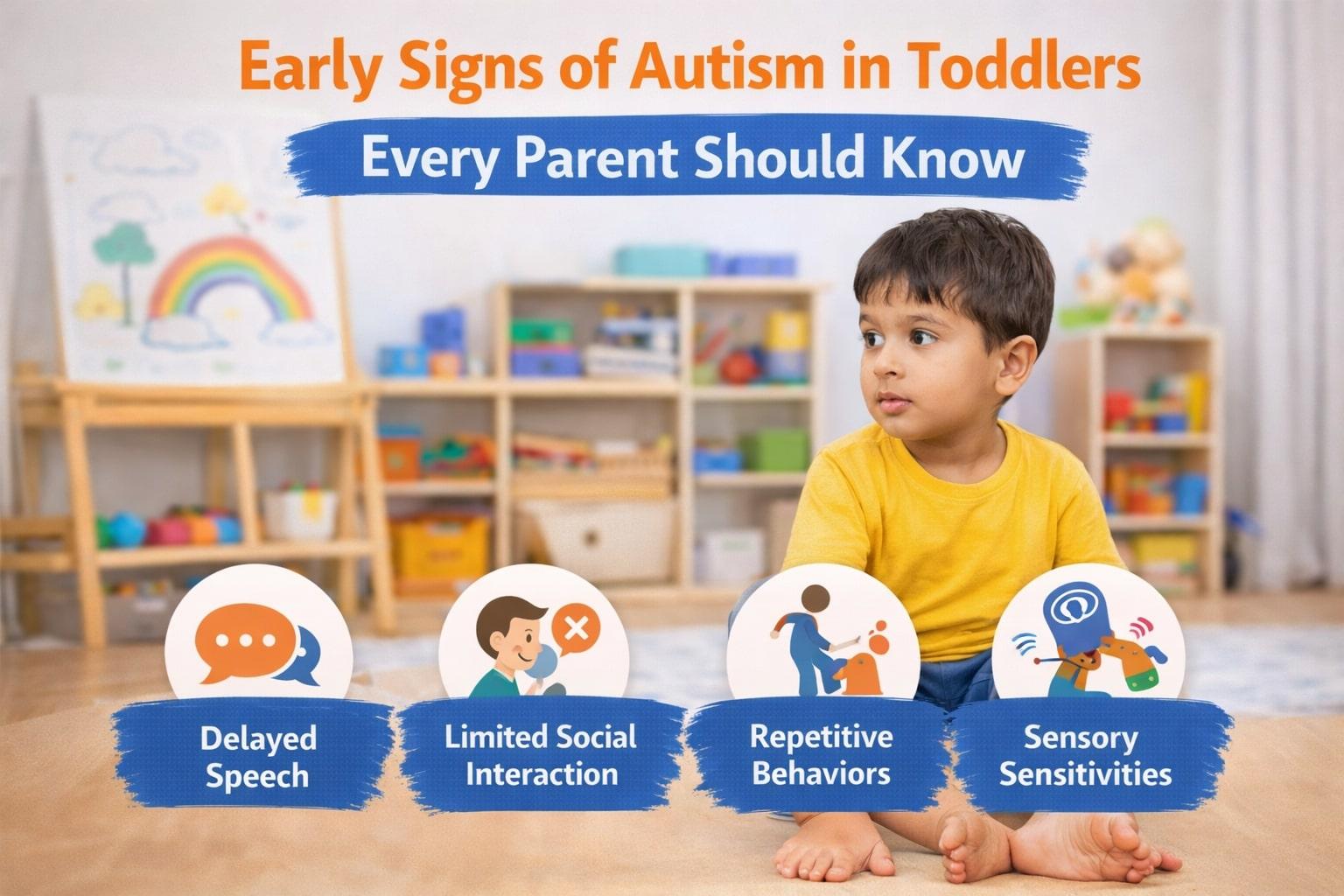
One of the most noticeable early signs of autism in toddlers is delayed speech or unusual communication patterns. Some toddlers may not use words by the expected age, while others may lose words they previously used. Limited babbling, difficulty imitating sounds, or using gestures less frequently are also signs parents should observe. Toddlers with autism may have trouble expressing needs or understanding simple instructions.
Limited Eye Contact and Social Engagement
Toddlers typically enjoy making eye contact, smiling, and engaging with caregivers. Reduced eye contact or limited interest in social interaction can be an early sign of autism. Some toddlers may not respond when their name is called or may seem unaware of people around them. Difficulty sharing attention, such as pointing to show interest, is another important social indicator.
Challenges with Social Interaction
Toddlers with autism may prefer playing alone rather than engaging with peers or caregivers. They may not show interest in interactive games like peek-a-boo or pretend play. Difficulty understanding emotions, facial expressions, or social cues can also be noticeable. These social challenges often become clearer as children grow and social expectations increase.
Repetitive Behaviors and Restricted Interests
Repetitive movements or behaviors are common early signs of autism. These may include hand flapping, rocking, spinning, or lining up toys repeatedly. Some toddlers may become intensely focused on specific objects or routines and show distress when routines change. While repetition is a normal part of toddler development, persistent and intense patterns may warrant further evaluation.
Sensory Sensitivities
Many toddlers with autism experience heightened or reduced sensitivity to sensory input. They may be unusually sensitive to sounds, lights, textures, or certain clothing. Some toddlers may avoid being touched, while others seek deep pressure or sensory stimulation. Sensory sensitivities can affect daily activities such as eating, dressing, or participating in play.
Difficulty with Emotional Regulation
Toddlers with autism may have difficulty managing emotions and transitions. Frequent tantrums, meltdowns, or difficulty calming down can be signs of underlying challenges. These behaviors are often linked to communication difficulties or sensory overload rather than intentional misbehavior. Understanding this helps parents respond with patience and appropriate support.
Limited Use of Gestures and Imitation
Gestures such as waving, clapping, or pointing are important early communication tools. Toddlers with autism may use fewer gestures or have difficulty imitating actions. They may not copy simple movements or facial expressions during play. Limited imitation can impact language development and social learning.
Regression in Skills
Some toddlers with autism experience regression, where they lose previously acquired skills such as words, gestures, or social engagement. This regression can be concerning for parents and should always be discussed with a healthcare professional. While regression does not occur in all children with autism, it is an important sign to be aware of.
When to Seek Professional Help
If parents notice one or more of these signs consistently, it is important to seek professional evaluation. Consulting a pediatrician or developmental pediatrician can help determine whether further assessment is needed. Early screening does not provide a label immediately but helps guide next steps and appropriate support.
Role of Early Intervention
Early intervention services play a crucial role in supporting toddlers with autism. These services may include speech therapy, occupational therapy, behavioral therapy, and parent training. Early support helps toddlers develop communication, social, and adaptive skills during a critical stage of development.
Reassurance for Parents
Not every developmental delay means a child has autism. Children develop at different rates, and some signs may overlap with typical development. Seeking evaluation is about understanding a child’s needs, not assigning blame or labels. Early guidance provides clarity and reassurance for families.
Final Thoughts
Recognizing early signs of autism in toddlers empowers parents to take proactive steps in supporting their child’s development. Trusting parental instincts and seeking professional advice early can make a meaningful difference. With early identification, appropriate intervention, and a supportive environment, toddlers with autism can continue to grow, learn, and thrive in their own unique ways.


