Notifications

5 minutes, 26 seconds
-17 Views 0 Comments 0 Likes 0 Reviews
Ordering food online has become a daily convenience for millions of people. With a few taps on a food order app, you can have your favourite meal delivered straight to your doorstep. But have you ever wondered why the same dish costs noticeably more when you order through a popular food delivery app than when you order directly from the restaurant?
While it’s easy to assume it’s just “convenience pricing,” the truth involves several hidden factors. Understanding these can help both customers and restaurants make smarter choices. By knowing what drives these extra costs, you can make more informed decisions about where and how to place your order.
Food delivery apps make our lives easier, but that convenience comes with a price. Restaurants often pay high commissions for every order placed through these platforms. In some cases, the commission can range from 15% to 30% of the order value.
Other hidden costs include:
Marketing charges: Restaurants often pay extra to appear at the top of the app’s listings.
Service fees: These are sometimes passed on to customers, raising menu prices.
Transaction fees: Online payments may include processing charges, again contributing to inflated costs.
These combined costs mean that restaurants must raise their menu prices on these apps to maintain profitability. The end result? Customers pay more, often without realising why.
The financial burden of food delivery apps doesn’t just affect customers; it hits restaurants even harder. Smaller businesses, in particular, struggle to cover high commissions and additional fees while maintaining the same quality and portion sizes.
For customers, the result is a double impact:
Higher prices: Your favourite meal may cost significantly more online than in-store.
Limited options: Some restaurants may reduce their menu offerings or remove items from the app to cut losses.
Quality compromises: To balance costs, restaurants may subtly alter recipes, portion sizes, or packaging.
This creates a system in which convenience comes at a premium, often leaving both parties less satisfied than they expected.
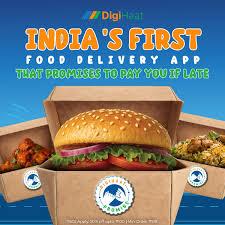
Unlike traditional food delivery apps, Digihaat is rethinking the approach. By reducing the number of intermediaries, they can connect customers and restaurants more directly.
Key advantages include:
Lower commissions: Restaurants keep more of their revenue without inflating menu prices.
Transparent pricing: Customers see the real cost of the food without hidden fees.
Fair marketing options: Promotions and visibility are designed to be accessible to restaurants of all sizes.
By keeping the process simple and straightforward, these platforms ensure that everyone benefits: the restaurant maintains profitability, and the customer pays a fair price.
When the middlemen are reduced, customers get clear benefits:
Consistent prices: Meals cost the same as they would at the restaurant.
No hidden charges: Service and transaction fees are minimal or eliminated.
Access to more options: Restaurants are more willing to list their full menu since they aren’t losing money to commissions.
Essentially, it’s a win-win scenario. Customers enjoy their favourite dishes at fair prices, and restaurants maintain both quality and margins.
The rise of food delivery apps has revolutionised the way we order meals, but it has also introduced hidden costs that affect both customers and restaurants. While traditional platforms have made convenience expensive, DigiHaat provides a smarter solution. Unlike many other platforms, using a food order app that focuses on transparency can help you enjoy your meals at fair prices without compromising on quality.
By minimising middlemen, keeping pricing transparent, and offering fair terms for restaurants, your favourite meals become accessible without unnecessary markups. If you want a seamless experience where affordability meets convenience, DigiHaat shows how a fair, transparent food order app ecosystem can make online dining better for both customers and restaurants.
Branded food ordering app #shoppingappdevelopment food ordering apps apps


