In 2026, interior design is moving beyond aesthetics and embracing deeper meaning, storytelling, and cultural richness. One of the most striking trends shaping this evolution is the growing popularity of Aboriginal
wall art.
This unique art form, rooted in one of the oldest living cultures in the world, is now finding its place in modern homes, offices, and creative spaces across the globe.
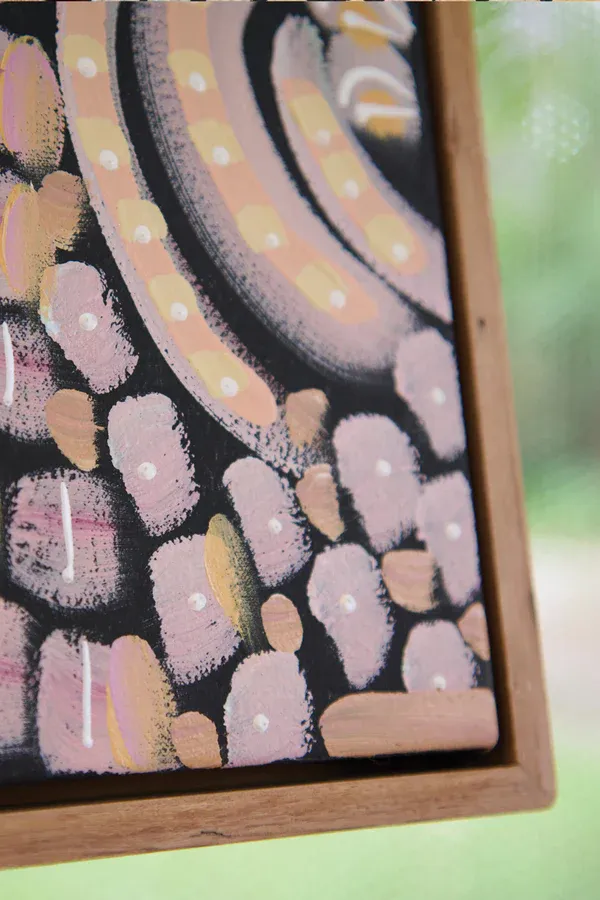
Aboriginal art is more than decoration. It is a visual language that tells stories of land, ancestry, spirituality, and tradition. Each piece carries symbolic patterns, often using dots, lines, and earthy tones to represent natural elements such as rivers, animals, and landscapes. As modern interiors increasingly lean toward authenticity and personal expression, aboriginal wall art offers a meaningful way to bring depth and character into a space.
One key reason behind this rising trend is the shift toward conscious design. Homeowners and designers are becoming more mindful about what they bring into their environments. Instead of mass produced decor, there is a growing demand for artwork that has cultural significance and a story behind it. Aboriginal art fulfills this desire perfectly, making it both visually appealing and emotionally engaging.
Another factor driving the popularity of this trend is its versatility. Aboriginal wall art blends effortlessly with various interior styles. Whether your home follows a minimalist aesthetic, a bohemian vibe, or a contemporary layout, these artworks can complement and enhance the overall design. The organic color palettes often found in Aboriginal art, such as ochres, browns, whites, and blacks, align well with the natural tones that dominate modern interiors in 2026.
In open living spaces, large Aboriginal canvases are being used as statement pieces. They create a focal point that immediately draws attention and sparks conversation. In smaller rooms, such as bedrooms or study areas, subtle pieces can add texture and warmth without overwhelming the space. Designers are also experimenting with gallery walls that incorporate multiple pieces of aboriginal wall art, creating a curated and layered visual experience.
Sustainability is another important element influencing design trends in 2026. Many Aboriginal artworks are created using traditional methods and natural materials, which aligns with eco friendly values. This makes them an ideal choice for individuals who want to decorate their homes responsibly while supporting indigenous artists and communities.
Lighting also plays a crucial role in showcasing these artworks. Soft, warm lighting enhances the intricate patterns and details, allowing the artwork to stand out beautifully. Whether it is natural daylight or strategically placed indoor lighting, highlighting aboriginal wall art correctly can transform the entire ambiance of a room.
Moreover, the emotional connection that people feel with art is becoming a central aspect of interior design. Instead of choosing decor solely based on trends, people are now selecting pieces that resonate with them on a personal level. Aboriginal art, with its storytelling nature, creates a deeper bond between the artwork and the viewer. It invites curiosity, reflection, and appreciation of a rich cultural heritage.
As we move forward, it is clear that this trend is not just a passing phase. The integration of cultural art forms like
Aboriginal wall art into modern interiors reflects a broader shift toward meaningful and intentional living. It is about creating spaces that are not only beautiful but also inspiring and culturally aware.
Final Thoughts
Incorporating aboriginal wall art into your interior design is a powerful way to elevate your space while embracing authenticity and tradition. If you are looking to explore unique and meaningful pieces that align with modern design trends, you can discover a curated collection at
https://miimiandjiinda.com/. Their offerings reflect the true essence of Aboriginal artistry, helping you bring culture, beauty, and storytelling into your everyday environment.

 By Miimi Jiinda

)
)