Notifications

7 minutes, 19 seconds
-19 Views 0 Comments 0 Likes 0 Reviews
Successful gardening begins with healthy seeds and strong root development. Whether growing vegetables, flowers, or ornamental plants, the early stages of growth are critical. Seeds require a stable, nutrient-balanced, and well-aerated environment to germinate properly. Traditional garden soil often falls short because it can be too dense, contain pathogens, or retain excessive moisture. For this reason, growers increasingly rely on Soilles Potting Mix to create optimal conditions for seed starting and plant propagation.
Garden soil may seem like a natural choice, but it can present several challenges during the germination phase. It often contains weed seeds, pests, fungi, and bacteria that may harm delicate seedlings. Additionally, its heavy texture can restrict airflow and compact around young roots.
Compacted soil limits oxygen availability, which is essential for root respiration. Poor drainage can also cause waterlogging, leading to root rot and damping-off disease. Because seedlings are fragile, they require a lighter and more controlled growing medium that supports consistent moisture and airflow.
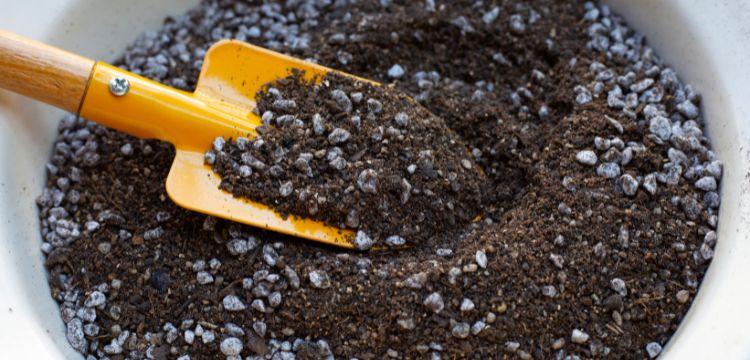
A soilless growing medium is specifically formulated to provide the right balance of aeration, drainage, and moisture retention. Instead of field soil, it typically contains materials such as peat moss, coco coir, perlite, vermiculite, or other organic and inorganic components.
These ingredients work together to create a lightweight and sterile environment. The absence of natural soil reduces the risk of soil-borne diseases and pests. The structure of the mix ensures that water drains efficiently while still retaining enough moisture to support seed germination.
Seeds require consistent moisture to activate the germination process. A properly prepared growing medium holds adequate water without becoming saturated. This balance ensures seeds remain hydrated but not suffocated.
Uniform texture also promotes even seed placement and stable contact between seeds and the medium. This consistency encourages uniform sprouting, which is especially important in commercial nurseries and large-scale planting operations. Faster and more reliable germination improves overall plant health from the very beginning.
Healthy roots form the foundation of a thriving plant. A lightweight and porous medium allows young roots to grow freely without resistance. The air pockets within the mix provide oxygen, which supports root respiration and nutrient uptake.
Improved aeration reduces the likelihood of fungal infections and root diseases. Strong root systems enable seedlings to adapt better when transplanted into larger containers or outdoor gardens. By minimizing transplant shock, growers can achieve higher survival rates and healthier plants.
Maintaining proper moisture levels is one of the most challenging aspects of seed starting. Overwatering can cause fungal growth, while underwatering may lead to dehydration. A balanced medium simplifies moisture management by evenly distributing water throughout the container.
Components such as coco coir and vermiculite help retain moisture, while perlite enhances drainage. This combination ensures that excess water flows away from roots while essential hydration remains available. The result is a stable environment that promotes steady growth.
Propagation through cuttings requires a medium that supports root initiation without encouraging decay. A well-draining and sterile mix provides the right conditions for new roots to develop from stems or leaves.
Because it is free from contaminants, the risk of infection is reduced. The loose structure also allows roots to penetrate easily as they form. This makes it suitable for propagating herbs, ornamental plants, shrubs, and even certain trees. Consistent results make it a preferred choice for both hobbyists and professional growers.
Unlike garden soil, a soilless medium typically contains minimal nutrients at the start. This allows growers to control fertilization more precisely. Seedlings require gentle feeding, and excessive nutrients can damage tender roots.
By adding diluted liquid fertilizers or slow-release nutrients at appropriate stages, gardeners can tailor feeding schedules to plant needs. This flexibility prevents over-fertilization and encourages balanced growth. Controlled nutrition contributes to stronger stems, vibrant leaves, and healthy development.
Another advantage of using a specialized growing medium is cleanliness. It is easier to handle, store, and transport compared to heavy garden soil. The absence of debris, stones, and clumps makes filling trays and pots simpler and more efficient.
For indoor gardening, cleanliness is particularly important. A sterile and lightweight mix reduces mess and minimizes exposure to soil-borne pests. This makes it suitable for homes, greenhouses, and controlled growing environments.
Modern gardening practices increasingly emphasize environmental responsibility. Many soilless mixes now incorporate renewable and biodegradable materials. Sustainable sourcing and reduced soil extraction help preserve natural ecosystems.
Additionally, improved water retention reduces overall water usage, which is especially beneficial in regions facing water scarcity. Efficient germination and higher plant survival rates also minimize waste, contributing to more sustainable cultivation practices.
Starting seeds and propagating plants require careful attention to growing conditions. A lightweight, sterile, and well-balanced medium provides the ideal environment for germination and early growth. By promoting proper aeration, moisture control, and root development, Soilles Potting Mix supports healthier seedlings and higher success rates.
Whether used for home gardening, greenhouse production, or commercial nurseries, a soilless growing medium ensures consistent results and stronger plants. With improved disease resistance, better nutrient control, and enhanced convenience, it remains an essential tool for successful seed starting and propagation.



: What Buyers Should Know Before Relying on Them)


