Notifications

9 minutes, 7 seconds
-73 Views 0 Comments 0 Likes 0 Reviews
As skin changes over time, many people notice reduced firmness, softer facial contours, and changes in texture. These changes are often linked to reduced levels of Collagen and elastin, natural proteins that help support skin structure and flexibility.
Skin tightening treatments are commonly chosen by people looking for non-surgical options that may support skin firmness and overall skin appearance. In Melbourne, several professional clinics offer treatment plans designed to suit different skin types, ages, and treatment goals.
It is important to understand that results vary from person to person. No cosmetic treatment can guarantee a specific outcome, and a proper consultation is always required before deciding whether a treatment is appropriate.
Under Australian advertising requirements, cosmetic treatment information should be factual, balanced, and should not create unrealistic expectations. Treatment suitability depends on individual assessment, skin condition, medical history, and practitioner advice.
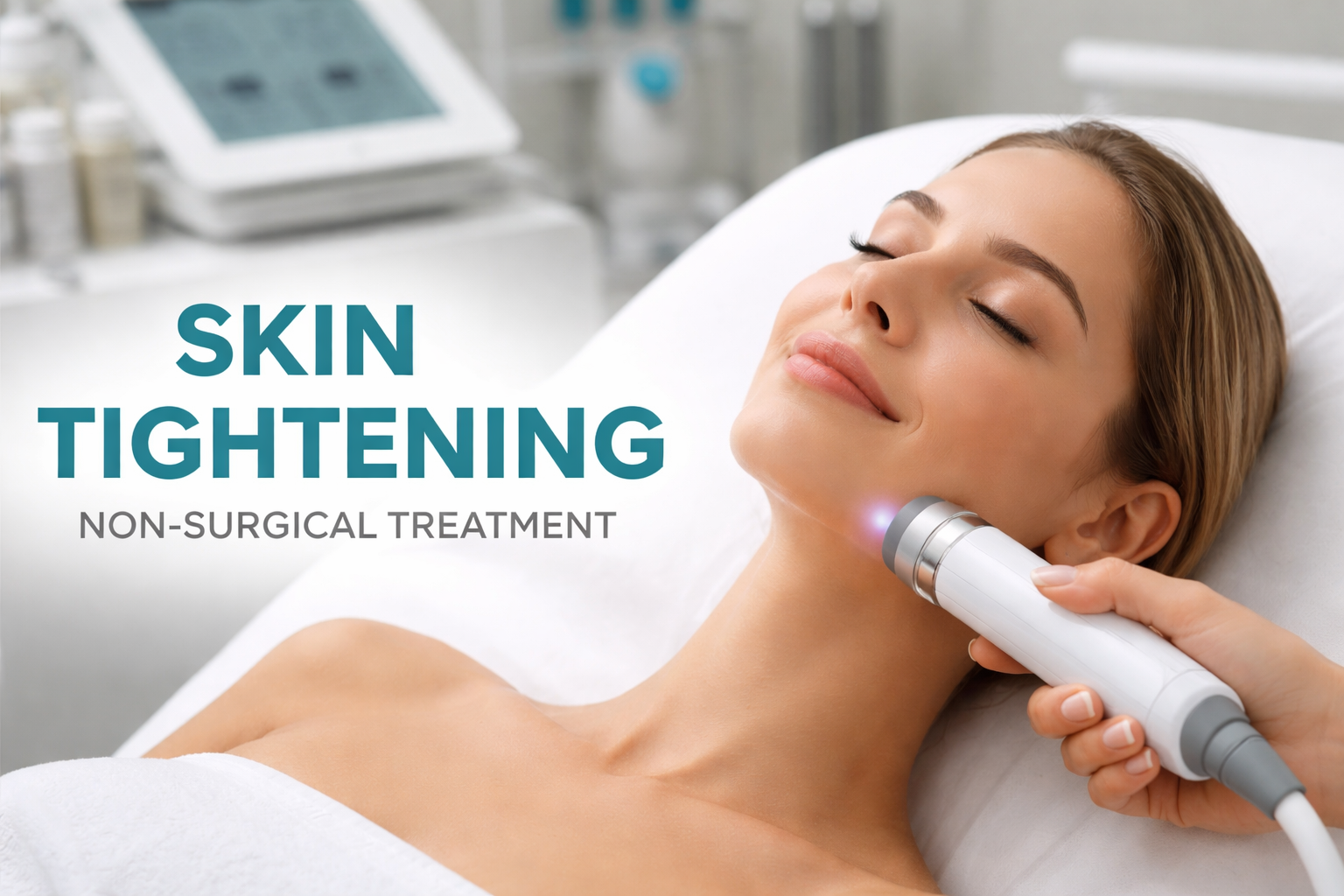
Skin tightening refers to non-surgical cosmetic procedures that aim to improve the appearance of skin firmness by supporting natural skin renewal processes.
These treatments are often selected for areas such as:
Face
Jawline
Neck
Décolletage
Abdomen
Arms
Some treatments use controlled heat or energy to target deeper layers of the skin. The purpose is to stimulate natural skin response over time, which may gradually improve skin texture and visible firmness.
Because skin responds differently depending on age, lifestyle, sun exposure, and genetics, treatment outcomes are individual and may require multiple sessions.
Many people explore skin tightening when they notice:
Mild skin laxity
Fine lines
Loss of contour definition
Changes after weight loss
Age-related texture changes
Skin tightening is often chosen when someone prefers a treatment option that does not involve surgery or extended recovery time.
A clinical consultation helps determine whether treatment is suitable and whether another skin approach may be more appropriate.
Professional cosmetic clinics may use different technologies depending on skin concerns and treatment goals.
Radiofrequency uses controlled thermal energy applied to deeper skin layers. This process is intended to support natural tissue response while leaving the outer skin surface largely unaffected.
These treatments are often chosen for:
Facial firmness
Jawline definition
Neck appearance
Treatment intensity varies depending on device type and practitioner assessment.
Focused ultrasound treatments target deeper support layers beneath the skin.
These treatments are sometimes selected when addressing:
Lower face softness
Mild sagging under the chin
Neck support
Not every person is suitable for this approach, and assessment is important before treatment.
Some laser systems are used to deliver controlled heat into the skin.
Laser-based approaches may be selected for:
Surface texture
Fine lines
General skin quality
Treatment plans depend on skin sensitivity, skin tone, and prior cosmetic history.
In some cases, practitioners may combine skin tightening with other non-surgical skin therapies.
This may include:
Skin rejuvenation programs
Hydration-focused treatments
Collagen-supporting maintenance plans
Combination treatment decisions should always follow professional assessment.
A professional consultation usually includes:
Skin assessment
Discussion of treatment goals
Medical history review
Explanation of realistic outcomes
Review of possible side effects
This process helps determine whether treatment is appropriate and whether expectations are realistic.
A consultation should also explain that cosmetic procedures may not stop future skin ageing.
The experience depends on the treatment method used.
Many people describe skin tightening sessions as involving:
Gentle warmth
Mild tingling
Temporary sensitivity
Session length often depends on treatment area size.
Some treatments take under an hour, while larger treatment areas may take longer.
After treatment, practitioners may recommend:
Sun protection
Gentle skincare
Avoiding excessive heat
Temporary pause on active skincare ingredients
Some people notice temporary redness or warmth, which usually settles.
Any unusual reaction should be reviewed by the treating practitioner.
Skin changes usually develop gradually rather than immediately.
Some people notice changes over several weeks as natural skin processes continue.
Because skin response varies, treatment plans often involve more than one session.
Maintenance may also be recommended depending on long-term goals.
No clinic can ethically promise exact timing or guaranteed outcomes.
Suitability depends on:
Age
Skin condition
Skin thickness
Treatment history
Overall health
People with mild to moderate skin laxity are often assessed differently from those with advanced skin changes.
A practitioner may recommend another treatment if skin tightening is unlikely to meet expectations.
Skin tightening should always be performed by appropriately trained practitioners using approved systems according to clinical protocols.
Australian advertising rules require cosmetic providers to avoid exaggerated safety claims and avoid suggesting that treatments are risk free.
Possible short-term effects may include:
Redness
Warmth
Mild swelling
Temporary sensitivity
Risks vary depending on treatment type and skin response.
A consultation is essential before proceeding.
When selecting a clinic, it helps to look for:
Qualified practitioners
Clear consultation process
Honest discussion of limitations
Individual treatment planning
Appropriate aftercare support
A responsible clinic explains both benefits and limitations rather than promising dramatic change.
Skin tightening often works best when combined with broader skin care habits such as:
Daily sun protection
Consistent hydration
Medical-grade skincare where appropriate
Professional skin review when needed
Lifestyle factors such as smoking, sun exposure, and sleep also influence long-term skin quality.
Most people describe treatment as tolerable, with warmth or mild discomfort depending on technology used.
This varies depending on skin condition and treatment goals. Some people may require a series of sessions.
Non-surgical skin tightening does not produce the same result as surgical lifting. It is generally considered for mild to moderate skin laxity.
Some treatments have minimal downtime, while others may involve short-term redness or sensitivity.
Changes often develop gradually over weeks or months depending on the treatment approach and individual skin response.
Suitability depends on the device used, skin assessment, and practitioner advice.
In some cases yes, but this depends on professional assessment and timing between procedures.
Some people may benefit from maintenance or repeat sessions depending on treatment goals.
Yes. A proper consultation helps assess suitability, risks, and realistic expectations.
SkinTightening SkinTighteningMelbourne Melbourne Skin Clinic Non Surgical Skin Tightening Skin Firming Treatment