Notifications

4 minutes, 8 seconds
-48 Views 0 Comments 0 Likes 0 Reviews
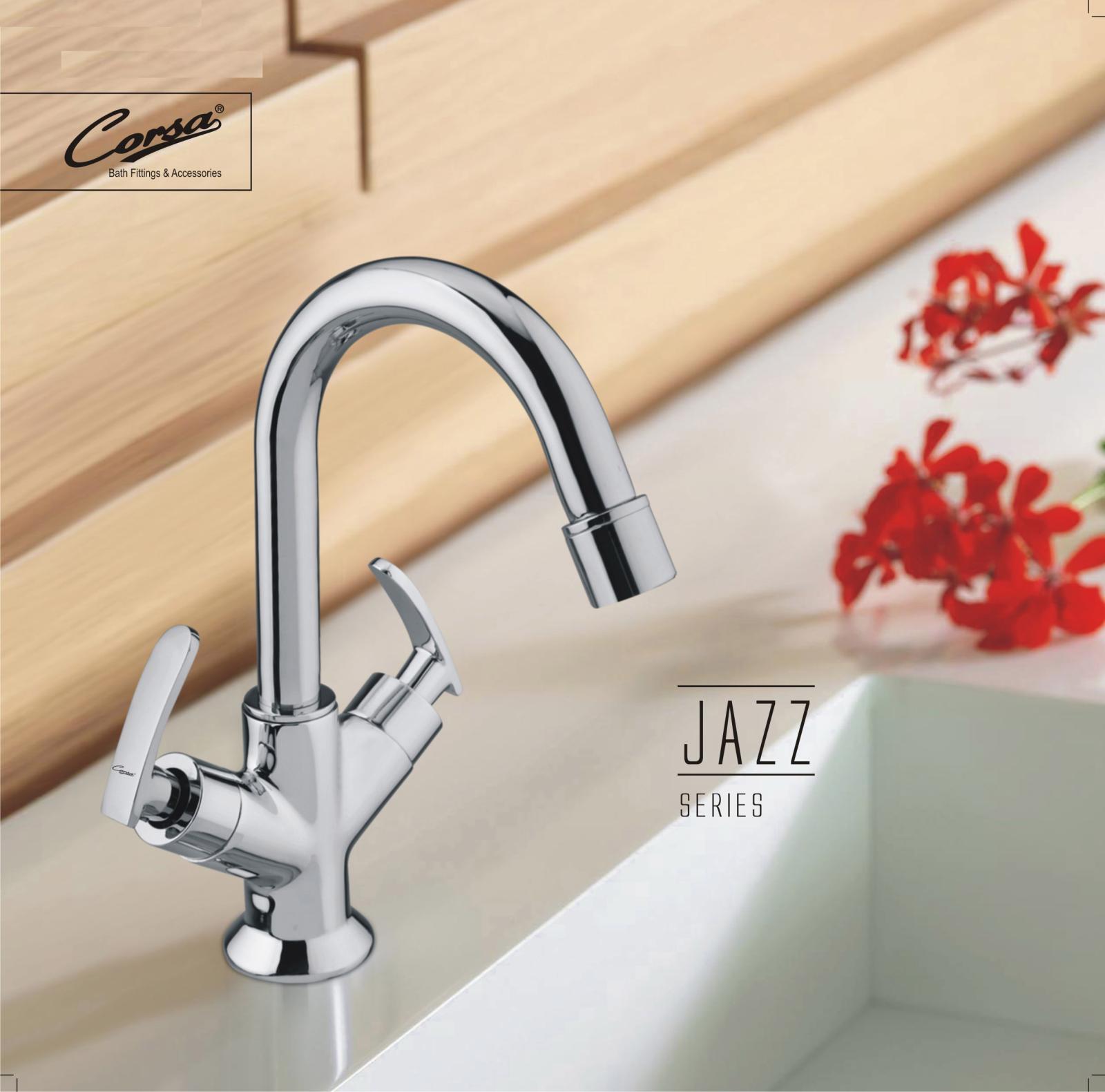
A kitchen or bath mixer is used several times a day, often without much thought. Over time, internal wear, water quality, and daily handling begin to affect its performance. Many homeowners delay replacement until a complete failure occurs, but mixers usually show clear warning signs much earlier. Recognizing these signs helps prevent water wastage, damage to fittings, and unnecessary repair costs. Products designed by reliable Kitchen and Bath Mixer Manufacturers are built to last, but even the best mixers have a defined service life.
Below are the most common indicators that your kitchen or bath mixer needs replacement rather than another temporary fix.
Multiple Point Leakage
Occasional dripping can sometimes be solved by changing a washer or cartridge. However, if leaks return within weeks or appear from multiple points such as the handle base and spout joint, it points to internal wear. Ageing mixers often develop microscopic cracks or distorted seals that repairs cannot resolve for long. Continued use in this condition increases water bills and can damage surrounding surfaces. This is often seen in older installations that predate current quality benchmarks, followed by modern kitchen and bath mixer manufacturers.
Stiff Handle Movement
A mixer handle should move smoothly and respond accurately to temperature and flow adjustments. If the handle feels unusually tight, jerky, or loose, the internal cartridge may be worn or corroded. In older mixers, mineral deposits from hard water can also damage internal components beyond repair. Replacing such units with designs aligned to present-day standards set by kitchen and bath mixer manufacturers improves ease of use and long-term reliability.
Visible Discolouration
The exterior finish of a mixer does more than affect appearance. Peeling chrome, rust spots, or dull patches indicate that the protective coating has worn off. Once corrosion starts, it often spreads to internal metal parts. At this stage, the mixer’s structural integrity is compromised, and replacement becomes the more sensible option.
Reduced Water Flow
If the water pressure in your home is stable but the mixer delivers a weak or uneven flow, internal blockages may be the cause. Sediment buildup inside old mixers restricts water passages and reduces efficiency. While cleaning may offer short-term relief, recurring flow issues usually mean the internal design is no longer performing as intended.
Frequent Repairs
When a mixer requires repeated repairs within a short period, it signals the end of its service life. Replacing cartridges, seals, or handles again and again often costs more in the long run than installing a new, well-built mixer. Modern designs also offer better water efficiency and smoother operation.
Delaying replacement can lead to hidden water damage, higher maintenance costs, and inconsistent performance. Trusted kitchen and bath mixer manufacturers design mixers to withstand demanding water conditions while maintaining durability and consistent performance. Replacing a kitchen or bath mixer is not just about appearance. It is a practical decision that supports water efficiency, safety, and everyday comfort when addressed at the right time.


