Notifications

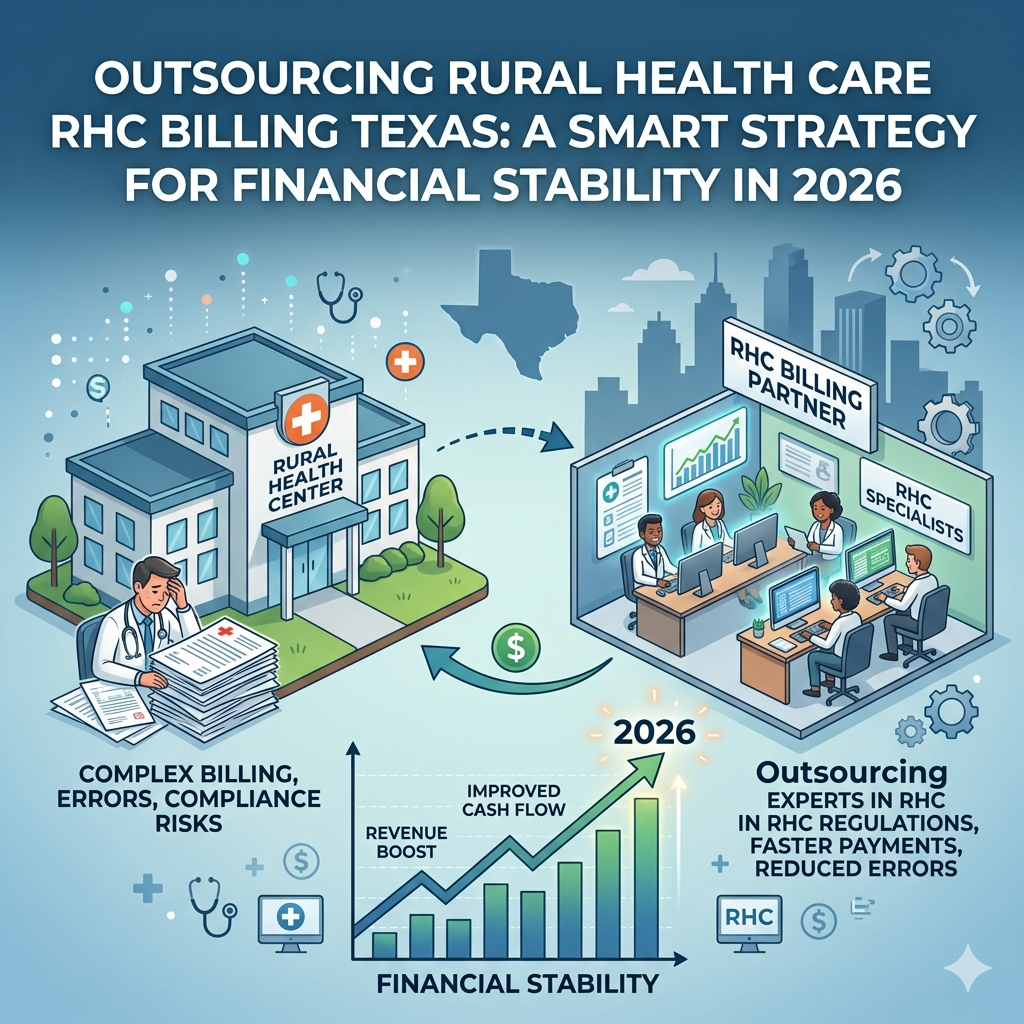
Running a Rural Health Clinic (RHC) in Texas comes with unique challenges. Providers must deliver quality healthcare to underserved communities while also managing complex administrative tasks. One of the most demanding responsibilities is medical billing. With evolving regulations, payer requirements, and increasing claim denials, handling billing internally can quickly become overwhelming for clinic staff.
This is why many healthcare providers are now considering outsourcing rural health care RHC billing Texas as a strategic solution. By partnering with experienced billing professionals, rural clinics can streamline revenue cycles, reduce claim errors, and focus more on patient care rather than paperwork.
For many practices, companies like 247 Medical Billing Services provide specialized support tailored to the needs of Texas-based rural healthcare providers. Outsourcing is no longer just a cost-cutting measure—it has become a growth strategy for clinics that want to remain financially stable while continuing to serve their communities.
Rural Health Clinics operate under a special reimbursement structure, which is very different from traditional physician practices. The RHC billing model includes specific guidelines related to Medicare, Medicaid, and commercial insurance payers.
Some of the most common billing challenges faced by Texas RHCs include:
Complex Medicare RHC billing regulations
Frequent updates in Medicaid reimbursement policies
High claim denial rates due to coding errors
Limited in-house billing expertise
Time-consuming compliance requirements
Staff shortages in rural areas
Because of these challenges, many clinics find it difficult to maintain consistent cash flow. Even small billing mistakes can delay reimbursements for weeks or months.
This is where outsourcing rural health care RHC billing Texas becomes extremely valuable. Professional billing teams specialize in navigating these complexities and ensuring claims are submitted correctly the first time.
Across Texas, rural healthcare providers are increasingly turning to outsourced billing partners to improve operational efficiency. Instead of building and managing an internal billing department, clinics can rely on experienced professionals who focus solely on revenue cycle management.
Outsourcing provides several advantages:
Billing specialists understand the nuances of RHC billing codes and payer requirements. This significantly reduces coding errors and claim rejections.
When claims are submitted accurately and promptly, insurance providers process them faster. This helps clinics maintain steady revenue flow.
Clinic staff can spend less time on paperwork and more time supporting physicians and patients.
Outsourced billing companies work with multiple healthcare providers and stay updated on regulatory changes. This expertise is difficult to maintain in a small in-house team.
Hiring, training, and maintaining an internal billing team can be expensive. Outsourcing often provides better results at a lower overall cost.
Because of these benefits, outsourcing rural health care RHC billing Texas has become a growing trend among rural healthcare providers.
Specialized billing providers offer services designed specifically for Rural Health Clinics. These services go beyond simple claim submission and cover the entire revenue cycle.
Typical services include:
Patient eligibility verification
Medical coding and documentation review
Accurate RHC claim submission
Denial management and appeals
Payment posting and reconciliation
Compliance monitoring
Detailed revenue cycle reporting
By handling these tasks, professional billing services allow clinics to operate more efficiently while ensuring compliance with Texas healthcare regulations.
Companies like 247 Medical Billing Services focus on helping healthcare providers navigate the complexities of RHC billing. Their expertise in rural healthcare reimbursement models can help clinics reduce claim denials and improve financial performance.
Revenue Cycle Management (RCM) is one of the most critical aspects of any healthcare practice. Poor revenue management can quickly lead to financial instability, especially for smaller rural clinics.
Outsourcing billing services improves RCM in several key ways.
Denied claims are a major problem for many clinics. Outsourced billing teams analyze denial patterns and correct the underlying issues to prevent future losses.
When billing processes are optimized, payments arrive more consistently. This stability allows clinics to manage operational costs and plan future growth.
Professional billing providers often supply detailed reports and analytics. These insights help clinic administrators identify opportunities for improvement within their revenue cycle.
Healthcare billing regulations change frequently. Billing partners stay updated on policy updates to ensure clinics remain compliant with payer requirements.
For many providers, outsourcing rural health care RHC billing Texas is the most practical way to strengthen revenue cycle performance without overburdening internal staff.
Not all billing companies have experience working with Rural Health Clinics. When selecting a partner, Texas providers should evaluate several important factors.
Choose a billing company that understands RHC-specific billing requirements, including Medicare and Medicaid reimbursement models.
Billing providers should use modern, HIPAA-compliant systems that ensure patient data is protected.
Regular financial reports allow clinics to track billing performance and revenue trends.
An effective billing partner should actively manage denied claims and work to recover lost revenue.
Strong communication between the clinic and the billing team ensures smoother operations and quicker issue resolution.
By carefully selecting a trusted partner, clinics can maximize the benefits of outsourcing rural health care RHC billing Texas while maintaining control over their financial operations.
The primary mission of any healthcare provider is patient care. However, administrative responsibilities often take valuable time away from that mission.
When billing operations are outsourced, clinic staff can redirect their attention to more meaningful tasks such as:
Improving patient experience
Expanding healthcare services
Supporting physicians and clinical staff
Strengthening community healthcare programs
This shift not only improves operational efficiency but also enhances the overall quality of care provided to rural populations across Texas.
In many cases, clinics that adopt outsourced billing solutions experience improved staff satisfaction and reduced workplace stress.
The healthcare industry is evolving rapidly, and billing processes are becoming more complex each year. Technology advancements, regulatory updates, and changing payer policies all influence how medical billing operates.
As these changes continue, rural healthcare providers will need efficient systems and expert guidance to maintain financial stability.
Outsourcing billing services offers a flexible and scalable solution. Instead of constantly updating internal processes and training staff, clinics can rely on specialized professionals who stay ahead of industry trends.
This approach allows rural healthcare providers to adapt quickly while continuing to deliver essential medical services to their communities.
Rural Health Clinics play a vital role in delivering healthcare to underserved populations across Texas. However, managing the financial and administrative side of healthcare can be challenging, particularly when it comes to complex billing processes.
By outsourcing rural health care RHC billing Texas, clinics gain access to experienced professionals who understand the intricacies of rural healthcare reimbursement. This support helps reduce claim denials, improve revenue cycle efficiency, and ensure compliance with evolving regulations.
Organizations like 247 Medical Billing Services provide specialized billing expertise that allows healthcare providers to focus on what matters most—delivering quality care to their patients.