Notifications

9 minutes, 1 second
-14 Views 0 Comments 0 Likes 0 Reviews
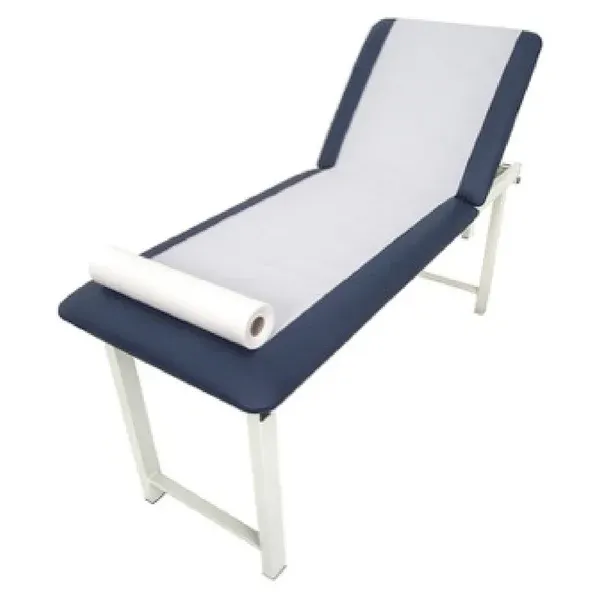
Enter any hospital or clinic and you will find clean flooring, shiny equipment, and employees who are going somewhere. But have you ever wondered about the bed sheets, I ask you, simple fellow? They look harmless, right? White fabric was stretched nicely on a mattress. However, these sheets are where patient care begins and ends. They contact the skin, take on fluid and silently play an enormous part in preventing the hopping out of one patient to another.
Cross-contamination does not always come in siren-style. It just creeps in and mostly through surfaces we overlook. Good medical bed sheets are silent guards, as they prevent unwanted germs before they can multiply. Imagine them bed gloves--they are touching, touching, and they are always on the job.
Cross-contamination occurs as a result of bacteria, viruses, and other types of microorganisms migrating between locations. This movement may be as basic as a patient laying on a dirty surface in hospitals or poor storage of fresh sheets in hospitals.
The sheets aren’t up to standard or aren’t changed correctly. The next patient lies down. No dramatic moment, no warning. Yet, the transfer has already happened. That’s how small oversights turn into serious health risks.
Why Quality Medical Bed Sheets Make a Real Difference
Here’s where quality steps in. Good medical bed sheets aren’t just about softness or neat looks. They are built with purpose.
The sheets of high grade are designed to prevent fluids seepage, minimize bacterial attachment and resist the frequent breaking up when subjected to washing. Instead, cheap sheets lose strength quickly. Fibers weaken, minute holes and the same holes turn into the welcome mats of germs.
Playing with quality sheets is associated to picking a closed water bottle over an open glass in a large area. There is one option that is obviously more protective.
A medical bed sheet is patterned to determine the quality of performance during pressure. And no, pressure here involves leaks, sweat and use.
There are a number of benefits associated with quality materials:
· They take in the moisture but do not allow it to flow to the mattress.
· They minimize skin irritation which minimizes the risk of infections.
· They are durable even when being washed numerous times.
There are those facilities that favour disposable products whereas others use reusable sheets with stringent control over laundry. Both of them may be effective in case the material is selected thoughtfully. A bed sheet roll kept well can assist in maintaining hygiene even before the sheet lands in a bed.
You may get the best sheets in the building, however, when they are handled badly everything is ruined. Sheets that are on open carts or kept adjacent to soiled linens lose their protective qualities very fast.
Clean sheets should always be:
It is a perfectly wrapped roll of bed sheets that is placed in a clean and dry area until it is required. The mere fact that that is a small step will minimise exposure risks than most individuals know.
Spending prolongs times of staying on a bed with sheets is the same as trying to wear the same clothes after the workout and hoping to remain fresh. There is a rapid accumulation of bodily fluids, skin cells and moisture.
Regular sheet changes help by:
They do not tear, do not lose their form, do not become coarse after frequent washing. Such permanency motivates employees to replace them whenever necessary without being apprehensive.
Comfort does not merely mean being nice. A patient with a relaxed mind will sleep better, become healed quicker, and will also touch fewer unnecessarily optional surfaces. Quality bed sheets are also softer in touch, they also do not cause friction, particularly in people who spend a considerable amount of time in the bed.
As patients change their positions less frequently because of discomfort, they have fewer contacts with other regions. The limited movements imply reduced opportunities to provide the spread of germs. It is just a little Game of Chain, but a very efficient one, indeed.
Any clean hospital bed is behind a good laundry schedule. Medical bed sheets of high quality are designed to be able to withstand high temperatures washing in order to kill bacteria and viruses. When the quality of the sheets is low, they become weak under these conditions and the facilities have to reduce the intensity of the wash or change the sheets frequently.
Strong sheets support:
This maintains high hygiene standards at a modest price. On the long-term basis, the investment in quality sheets can save money without exposing patients to risks.
Working long shifts are provided by nurses and support staff. They do not require slipping sheets, tearing sheets or sheets that must be adjusted all the time. Medical bed sheets should be created in such a way that they are well-fit and do not move around.
That means:
· Faster bed-making
· Reduced stress when there is an emergency.
· Increased work time with patients.
When systems are operating well, hygiene is observed more. And consistency is the actual superhero in infection control.
Cross-contamination prevention is not limited to a single big move. It is a question of lots of little, clever decisions each day. The quality of medical bed sheets may be a small detail but it keeps patients, staff and reputation safe. Every detail matters, starting with the material that is chosen and the storing of a bed sheet roll. Clean, strong, and reliable sheets create a safer care space without making noise about it. And in healthcare, the best protection often works silently in the background.
medical bed sheets hospital bed linens infection control bedding


