Notifications

11 minutes, 2 seconds
-321 Views 0 Comments 0 Likes 0 Reviews
Eyebrows play a powerful role in facial expression, balance, and overall appearance. When brows become thin, uneven, or sparse, the change can affect more than just looks—it can impact confidence and self-image. For men and women seeking a permanent, natural solution, an eyebrow hair transplant in Culver City offers advanced techniques designed to restore brows with precision, artistry, and long-term results.
Modern hair restoration has moved far beyond cosmetic camouflage. Today’s eyebrow transplant procedures are medical-grade solutions performed by experienced specialists who understand both facial anatomy and aesthetic design. Whether eyebrow loss is caused by genetics, over-plucking, trauma, or medical conditions, transplant technology allows patients to regain natural density using their own hair.
This guide explores how eyebrow transplants work, who they are best suited for, how they compare to other hair restoration procedures, and what patients can expect before and after treatment.
Eyebrow thinning or loss can occur for many reasons. Some of the most common include:
Unlike scalp hair, eyebrow hair grows in a unique pattern and direction. Each hair emerges at a shallow angle and follows a curved growth line. This complexity makes restoration a specialized procedure requiring both technical skill and aesthetic judgment.
Temporary solutions such as makeup, microblading, or tattooing may offer short-term improvement, but they cannot replicate the texture, growth, or realism of natural hair. That is why more patients are choosing surgical restoration for lasting results.
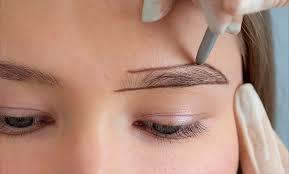
An eyebrow transplant is a minimally invasive procedure in which individual hair follicles are harvested—usually from the back of the scalp—and carefully implanted into the eyebrow area. These follicles continue to grow permanently, producing natural eyebrow hair that can be trimmed, shaped, and styled.
Patients seeking an eyebrow hair transplant in Culver City often choose clinics that combine advanced extraction methods with customized brow design. The goal is not simply to add hair, but to recreate a natural brow shape that complements the patient’s face.
The most commonly used method is Follicular Unit Extraction (FUE), which allows surgeons to harvest single follicles with minimal scarring and precise placement.
Unlike scalp hair restoration, eyebrow transplants require a high level of artistic planning. Each eyebrow is designed based on:
The surgeon must place each follicle at an extremely shallow angle—often less than 10 degrees—to ensure the hair lies flat against the skin. This is what creates a soft, natural appearance rather than a raised or artificial look.
Inexperienced placement can result in brows that appear stiff, uneven, or unnatural. For this reason, selecting a qualified specialist is one of the most important decisions in the process.
Eyebrow transplantation is suitable for both men and women who:
Patients with autoimmune conditions or active hair loss disorders may require medical evaluation before proceeding. A consultation with a qualified provider helps determine candidacy and ensures safe, predictable results.
The process begins with a detailed consultation where the surgeon evaluates eyebrow loss, donor hair quality, and facial proportions. Brow shape, thickness, and arch are discussed and mapped before treatment.
Hair follicles are typically taken from the back of the scalp, where hair growth is strong and permanent. Only fine, single-hair grafts are selected to match natural eyebrow texture.
Each follicle is implanted one by one, following the natural direction of eyebrow hair growth. This step requires patience, experience, and precision.
The procedure is performed under local anesthesia, and most patients return to normal activities within a few days. Mild redness or scabbing resolves quickly.
Hair restoration techniques vary depending on the area being treated. While eyebrow transplants focus on fine, detailed work, procedures like scalp and facial hair transplants address different needs.
For example, many patients researching eyebrow restoration are also familiar with beard procedures and often review beard transplant before and after results to understand what surgical hair restoration can realistically achieve. These comparisons help set expectations for density, growth cycles, and overall outcomes.
Both eyebrow and beard procedures rely on similar extraction technology, but eyebrow restoration requires greater precision due to limited space and visibility.
Eyebrow transplant results develop gradually. Understanding the growth cycle helps patients stay confident throughout recovery.
Because scalp hair grows longer than eyebrow hair, regular trimming is required once growth stabilizes.
One of the most appealing aspects of eyebrow transplantation is permanence. Once transplanted follicles establish blood supply, they continue growing for life. This allows patients to shape their brows naturally rather than relying on cosmetic solutions.
Patients who review beard transplant before and after galleries often notice similar long-term benefits: natural texture, consistent growth, and improved facial balance. The same principles apply to eyebrow restoration when performed correctly.
Culver City has become a sought-after location for advanced aesthetic and medical treatments. When selecting a provider for eyebrow restoration, patients should look for:
A clinic that prioritizes individualized care and medical standards is essential for achieving refined, natural results.
Hair restoration is not purely cosmetic. Restoring eyebrows can improve facial harmony, reduce self-consciousness, and enhance confidence in both social and professional settings.
Patients often report feeling more comfortable without makeup, more expressive in conversation, and more confident in photos. These benefits mirror those seen in patients who undergo beard restoration and review beard transplant before and after outcomes as part of their decision-making process.
Most procedures take between 3 to 5 hours, depending on the number of grafts required and the complexity of the design.
The treatment is performed under local anesthesia. Patients typically experience minimal discomfort during and after the procedure.
Yes. When performed correctly, transplanted hairs grow naturally and blend seamlessly with existing brow hair.
Many patients researching advanced facial restoration actively search for eyebrow hair transplant culver city when looking for specialized clinics with proven experience in detailed hair work.
Both procedures use similar extraction methods, but eyebrow restoration requires finer grafts and more precise placement. Reviewing beard transplant before and after results can help patients understand the long-term nature of transplanted hair growth.
An eyebrow hair transplant in Culver City offers a reliable, permanent solution for individuals seeking fuller, natural-looking brows. With modern techniques, careful design, and experienced hands, eyebrow restoration can transform facial balance and confidence without looking artificial or overdone.
For men and women exploring surgical hair restoration—whether for brows, scalp, or facial hair—understanding realistic outcomes, reviewing case results, and choosing the right specialist are the keys to success. When done properly, eyebrow restoration is not just about hair; it’s about restoring harmony, expression, and self-assurance.
eyebrow hair transplant culver city beard transplant before and after


