Notifications

10 minutes, 35 seconds
-35 Views 0 Comments 0 Likes 0 Reviews
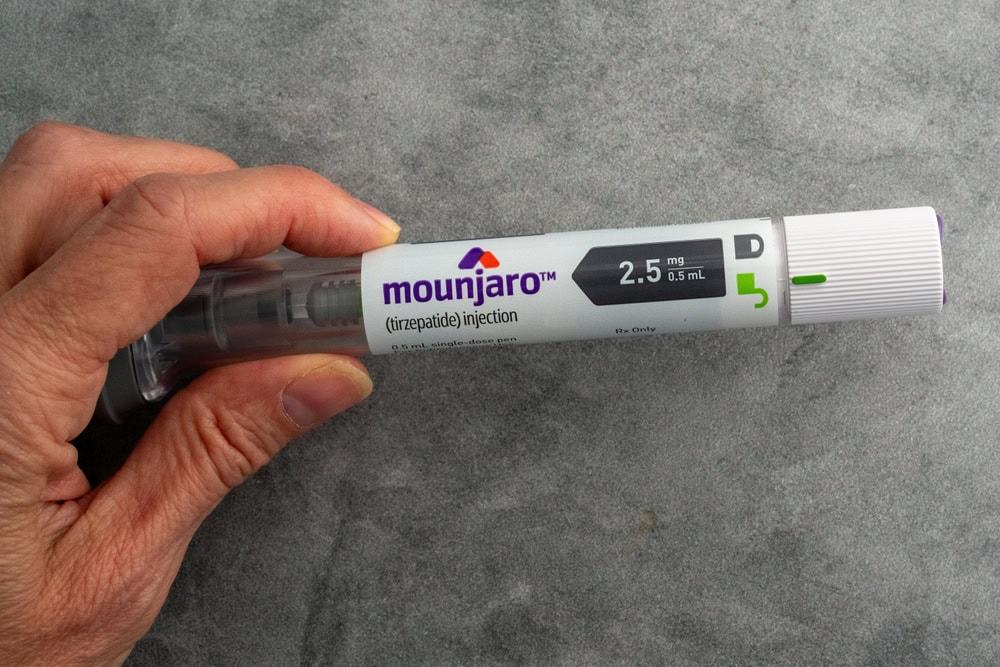
The conversation around weight management has evolved significantly in recent years, bringing new options to the forefront of public interest. Among these, a particular medication originally designed for a different purpose has captured widespread attention for its remarkable effects on body weight. Mounjaro in Dubai has led many individuals without certain health conditions to wonder about its potential for them. This article explores the topic for those curious about this option, providing a comprehensive overview written in a friendly and informative tone.
To fully grasp the context, it is helpful to first understand what this medication was created to do. It belongs to a class of drugs developed to improve blood sugar control in individuals living with a specific metabolic condition. It works by mimicking hormones in the body that help regulate appetite and insulin secretion.
These hormones, known as incretins, are released naturally after eating. They signal to the body to produce more insulin, which helps move sugar from the bloodstream into cells for energy. For someone with the condition it was designed for, this mechanism is invaluable for managing their health on a daily basis. The discovery of its significant impact on weight was a notable outcome during clinical studies, which then opened the door to conversations about its broader applications.
The way this medication promotes weight loss is not mysterious; it is rooted in its interaction with the body's natural systems. It targets specific receptors in the brain that are involved in regulating hunger and feelings of fullness.
One of the primary effects is a noticeable slowing of gastric emptying. This means that food moves from the stomach to the small intestine at a slower pace. As a result, a person feels full for a longer period after eating a meal. This prolonged sensation of satiety naturally leads to a reduction in calorie intake throughout the day.
Furthermore, it acts directly on the appetite centers in the brain. It helps to quiet the persistent thoughts about food that many people struggle with, making it easier to make conscious, healthy choices and resist impulsive snacking. This dual action on the stomach and the brain creates a powerful environment for weight loss, independent of one's baseline health status.
The concept of off-label use is important to understand in this context. When a medication is prescribed for a purpose other than the specific condition it was approved for by health authorities, that is considered off-label use. This is a common and legal practice in medicine, often based on emerging evidence and a doctor's clinical judgment.
For individuals without the original condition, using this medication for weight loss falls into this category. The substantial evidence from studies showing significant weight reduction in participants has made it an attractive option for those seeking medical help to manage their weight. It represents a shift in how weight is perceived, moving beyond simple willpower to acknowledge the complex biological factors involved.
The growing interest is understandable. Many people face challenges with weight that are not easily overcome with diet and exercise alone. They may have tried numerous programs and strategies with limited or temporary success. The possibility of a medication that can genuinely assist in this effort by working with the body's own systems is a compelling prospect.
Considering this option is not a decision to be taken lightly. It is typically discussed with individuals who have a significant amount of weight to lose and for whom excess weight is a barrier to their overall well-being.
Healthcare providers generally evaluate several factors when determining if someone might be a candidate. These often include an individual's body mass index and the presence of weight-related health concerns. A person with a high body mass index who also struggles with issues like high blood pressure or joint pain might be considered. The goal is always to improve overall health, not just to change a number on the scale.
It is essential to have a thorough conversation with a qualified healthcare professional. They can assess a person's complete health picture, including their medical history, current medications, and personal weight loss goals. This ensures that the decision is made with a full understanding of the potential benefits and the commitment required.
Embarking on this journey requires careful thought and preparation. It is not a quick fix but a tool to be used as part of a broader, healthier lifestyle. The commitment extends beyond simply taking the medication.
For the medication to be truly effective, it works best when paired with positive changes in daily habits. This is not a substitute for a healthy diet and regular physical activity. Instead, it is a companion that can make those efforts more fruitful.
Individuals often find it easier to adhere to a nutritious eating plan because the medication helps control cravings and portion sizes. It provides a window of opportunity to establish new, sustainable habits. Regular exercise becomes more manageable as weight decreases, creating a positive cycle of improvement. The focus should be on building a foundation of health that can be maintained long-term.
Navigating the use of any medication requires the expertise of a healthcare provider. They play a vital role in determining the right starting point and guiding the individual through the process. This includes providing education on how the medication works and setting realistic expectations for weight loss progress.
A professional can also help monitor progress and make adjustments as needed. The journey is unique for everyone, and having a supportive partner in this process makes a significant difference. They ensure that the approach is safe and tailored to the individual's specific needs and responses.
It works by mimicking natural hormones that regulate appetite and digestion. It slows down how quickly food leaves the stomach, leading to a longer feeling of fullness. It also acts on brain signals to reduce hunger and food cravings, which helps lower overall calorie intake.
The decision about safety is made on an individual basis by a healthcare professional. They consider a person's full medical history and current health status. While it was developed for another condition, its use for weight loss in others is based on clinical evidence and professional medical judgment.
The duration of use is highly individual and depends on the weight loss goals and the person's response to the medication. It is often seen as a tool to help establish healthier habits, and the timeline is best discussed with a healthcare provider who can tailor the plan to the individual.
Results vary from person to person. Many individuals experience significant weight loss, particularly when the medication is combined with a healthy diet and regular exercise. The amount of weight lost can depend on adherence to the lifestyle changes and how one's body responds to the treatment.
The best place to start is with a primary care physician or a healthcare provider who is familiar with weight management. They can provide personalized advice, discuss all available options, and determine if this approach is appropriate based on an individual's unique health needs and goals.


