
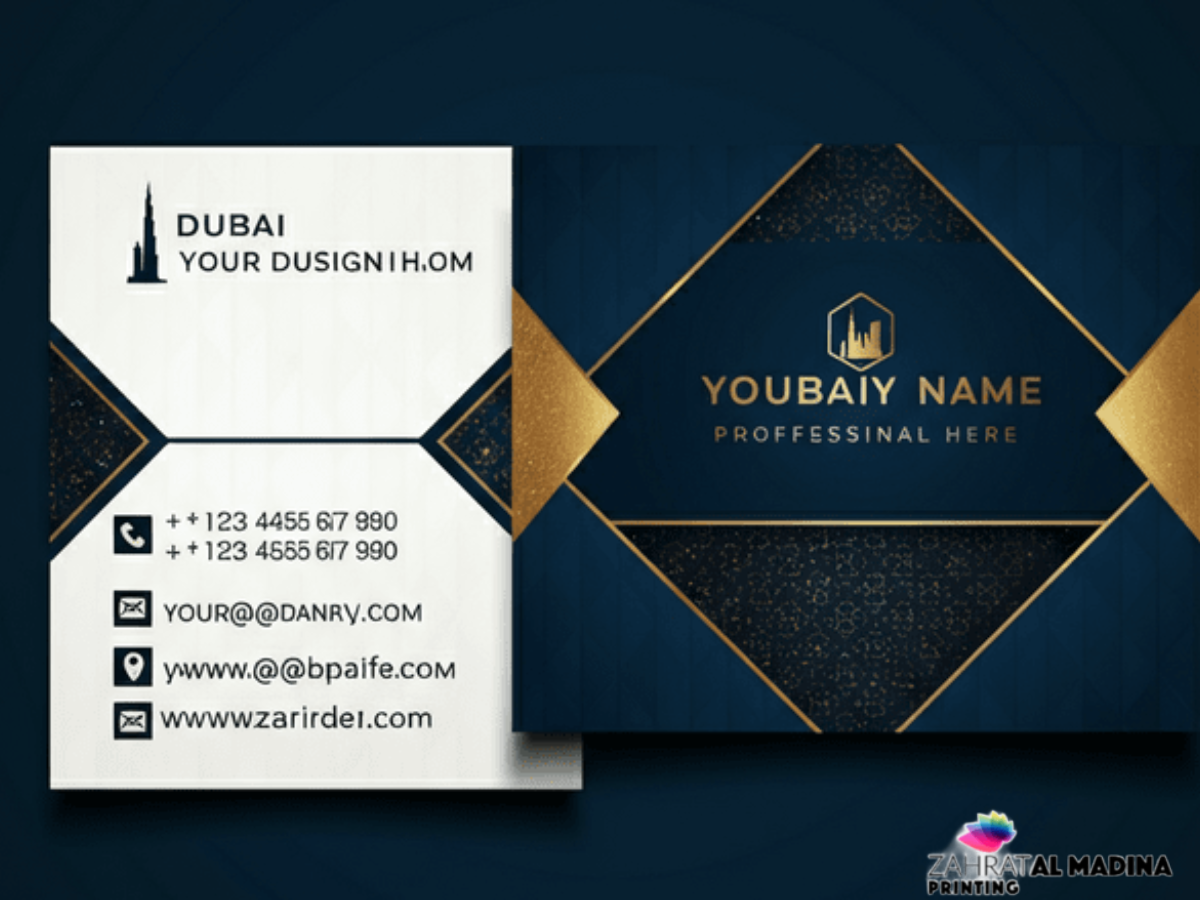
In a fast-moving business environment like Dubai, clear identification and professional presentation still matter, even in a digital-first world. One of the most practical and widely used tools for this purpose is the business card. Business card printing Dubai has evolved significantly over the years, adapting to modern design trends, new printing technologies, and the diverse needs of local and international businesses.
This article provides a detailed, educational overview of business card printing in Dubai. It explains why business cards remain relevant, how printing works, what materials and finishes are commonly used, and what challenges businesses should consider before printing. Whether you are a startup founder, freelancer, or part of an established organization, this guide is designed to give you a clear, practical understanding of the topic.
Understanding the Role of Business Cards in Today’s Market
Why Business Cards Still Matter
Despite digital contact sharing, business cards continue to play an important role in professional interactions. In Dubai, where networking events, trade exhibitions, and in-person meetings are common, business cards offer a quick and universally accepted way to exchange information.
A business card serves several functions:
-
It provides essential contact details in a compact format
-
It reflects brand identity through design and material
-
It helps create a professional first impression
-
It supports follow-up after meetings or events
Unlike digital methods, business cards do not depend on internet access or device compatibility, making them practical in many real-world situations.
Business Culture and Expectations in Dubai
Dubai is home to a multicultural business community. Professionals often interact with people from different industries, countries, and cultural backgrounds. In such settings, having a well-designed business card is considered a standard professional practice.
Business card printing Dubai reflects this diversity. Cards are produced in multiple languages, layouts, and styles to suit various industries such as real estate, hospitality, finance, technology, and retail.
Overview of Business Card Printing Dubai
What Business Card Printing Involves
Business card printing is the process of transferring a designed layout onto physical card material using professional printing equipment. The process typically includes:
-
Design preparation
-
Selection of paper or material
-
Choosing printing method
-
Finishing and cutting
Printing Dubai services range from basic single-color cards to advanced designs using premium materials and finishes.
Local Printing Standards and Practices
Printing standards in Dubai are influenced by international quality benchmarks. Many printers use modern digital and offset printing machines capable of producing sharp text, accurate colors, and consistent results.
Common card sizes generally follow international standards, but custom dimensions are also available depending on business needs.
Common Printing Methods Used in Dubai
Digital Printing
Digital printing is widely used for business cards due to its speed and flexibility. It is suitable for:
-
Small to medium quantities
-
Fast turnaround times
-
Variable data printing, such as different names or titles
Digital printing Dubai solutions are often chosen by startups and small businesses that need quick and affordable printing.
Offset Printing
Offset printing is typically used for large volumes. It provides:
-
High color accuracy
-
Consistent quality across large batches
-
Cost efficiency for bulk orders
This method is often selected by established companies that require thousands of cards with the same design.
Materials Used for Business Cards
Standard Paper Options
Most business cards are printed on cardstock paper, measured in GSM (grams per square meter). Common options include:
-
300 GSM cardstock
-
350 GSM cardstock
These materials provide durability while remaining cost-effective.
Premium and Specialty Materials
For businesses looking for a distinct appearance, business card printing Dubai also includes specialty materials such as:
-
Textured paper
-
Recycled paper
-
Plastic or PVC cards
-
Metallic or pearl-finish paper
These materials are often chosen to reflect specific brand values or industries.
Finishing Options and Their Practical Uses
Lamination
Lamination adds a protective layer to the card surface. Common types include:
-
Matte lamination, which reduces glare
-
Gloss lamination, which enhances color vibrancy
Lamination increases durability and protects against moisture and wear.
Spot UV and Embossing
Advanced finishing techniques are sometimes used to highlight specific design elements.
-
Spot UV adds a glossy effect to selected areas
-
Embossing creates a raised texture
These finishes are often used selectively to maintain readability while adding visual interest.
Design Considerations for Effective Business Cards
Layout and Readability
A clear layout is essential. Important information such as name, job title, phone number, and email should be easy to read. Overcrowding the card with text can reduce its effectiveness.
Designers in printing Dubai often recommend using white space to improve clarity.
Font and Color Choices
Fonts should be legible at small sizes. Simple fonts are usually more practical than decorative ones. Color choices should provide sufficient contrast between text and background.
For example, dark text on a light background is easier to read in most lighting conditions.
Language and Cultural Factors
Multilingual Business Cards
Dubai’s diverse population means that many business cards include more than one language, commonly English and Arabic. This approach helps ensure accessibility and professionalism in local and regional interactions.
Cultural Sensitivity in Design
Certain colors, symbols, or images may have cultural meanings. Understanding these factors helps avoid misunderstandings and ensures respectful communication.
Challenges in Business Card Printing
Design Errors
Mistakes such as incorrect contact details or low-resolution logos can lead to wasted print runs. Careful proofreading and design checks are essential before printing.
Material Selection Issues
Choosing the wrong material can affect durability or appearance. For example, very thin paper may bend easily, while overly glossy finishes may reduce readability.
Quantity Planning
Printing too few cards may require frequent reprints, while printing too many may lead to waste if details change. Planning quantities based on actual usage helps manage costs.
Real-World Use Cases
Networking Events and Trade Shows
At exhibitions and conferences, business cards are often exchanged quickly. Clear design and durable materials help ensure the card remains usable after the event.
Corporate Offices and Client Meetings
In formal meetings, a business card serves as a professional introduction and reference point for future communication.
Freelancers and Small Businesses
For freelancers, business cards help establish credibility and make it easier for potential clients to reconnect later.
Role of Local Printing Companies
Understanding the Market
Local printing companies understand Dubai’s business environment, regulatory requirements, and cultural considerations. This knowledge helps ensure accurate and appropriate printing results.
Example of Industry Presence
Companies such as Zahrat Al Madina Printing Services are part of the wider printing Dubai landscape, offering business card printing among other services. Their presence reflects the demand for reliable local printing solutions, especially for businesses that value consistent quality and timely delivery.
Mentioning such companies in an informational context helps readers understand the range of service providers available without implying endorsement.
Sustainability and Future Trends
Eco-Friendly Printing Options
Sustainability is becoming more important in business operations. Many printing Dubai providers now offer:
-
Recycled paper
-
Soy-based inks
-
Reduced packaging
These options allow businesses to align printing choices with environmental goals.
Digital Integration
Modern business cards sometimes include QR codes linking to websites or digital profiles. This combination of physical and digital tools reflects evolving communication habits while keeping the simplicity of traditional cards.
Conclusion
Business card printing Dubai remains a relevant and practical part of professional communication. From design and materials to printing methods and finishing options, understanding the full process helps businesses make informed decisions.
Key takeaways include:
-
Business cards continue to support networking and professional identity
-
Dubai’s printing industry offers diverse materials and technologies
-
Careful design, material choice, and quantity planning reduce common challenges
-
Cultural awareness and sustainability are increasingly important considerations
By understanding how business card printing works and what factors influence quality and usability, readers can approach the process with confidence and clarity, making business cards a useful and effective tool in today’s evolving business environment.


