Notifications

7 minutes, 12 seconds
-38 Views 0 Comments 0 Likes 0 Reviews
The world of home entertainment has seen remarkable advancements in recent years. Among the most exciting innovations is 3D viewing, which transforms ordinary movies and videos into immersive experiences. Whether you’re a casual viewer or a dedicated cinephile, the ability to watch 3D video at home has opened up a new dimension of entertainment. But when it comes to 3D technology, there’s an ongoing debate: traditional 3D glasses versus modern glasses-free solutions. In this article, we explore both options, their benefits, and how services like dtv installations can help you get the perfect setup.
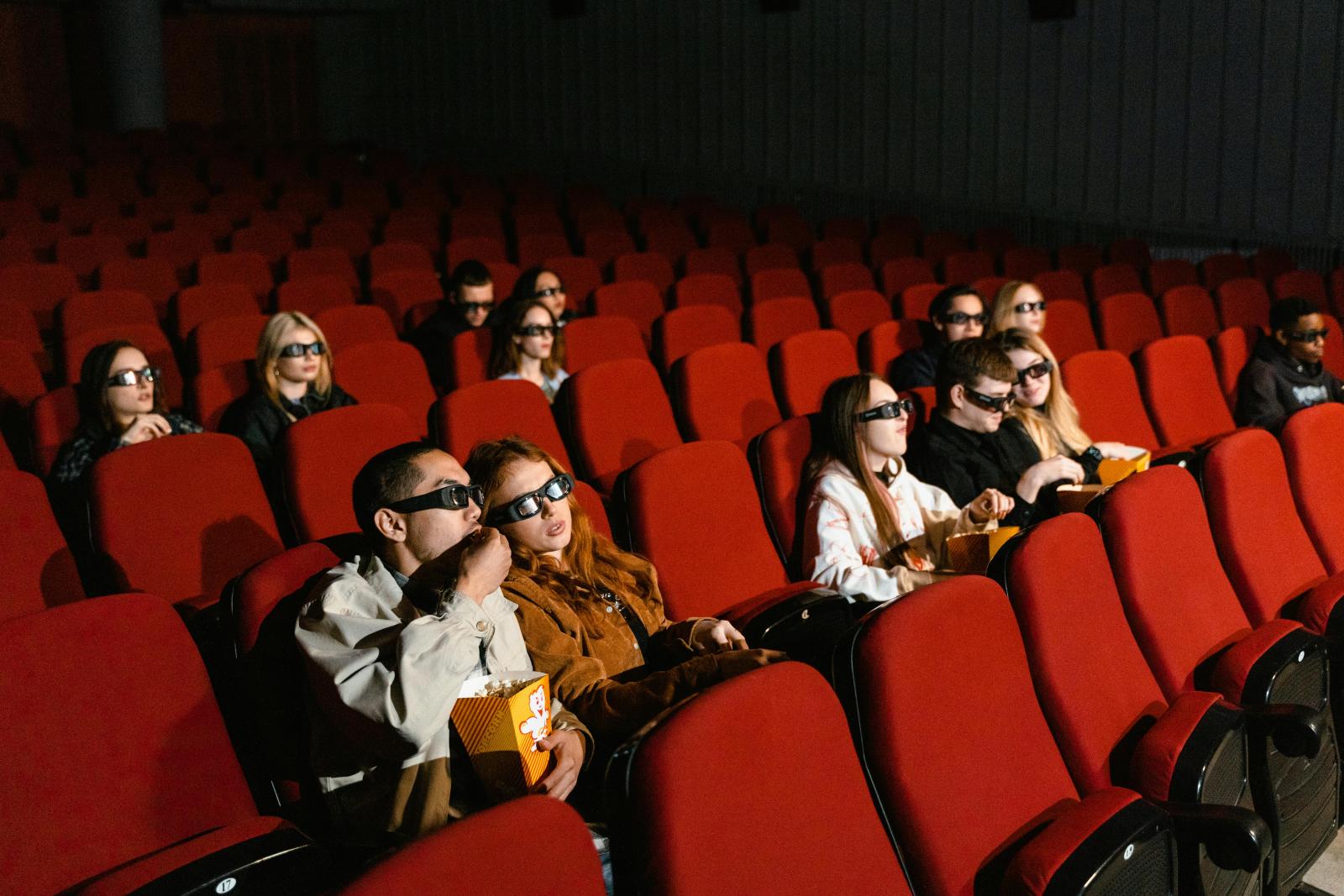
When most people think of 3D at home, they imagine wearing special glasses while watching a movie. This method has been around for decades and remains popular for several reasons.
Traditional 3D glasses technology, commonly referred to as stereoscopic 3D, works by delivering two slightly different images to each eye. The glasses filter these images—either through color lenses (anaglyph) or polarized lenses (passive 3D)—to create a sense of depth. The result is an immersive visual experience where objects appear to pop out of the screen.
High-Quality Depth Perception: Glasses-based 3D often provides more accurate depth cues, making movies, games, and sports more engaging.
Wide Content Availability: Most 3D movies and TV content are designed for glasses, making it easy to find entertainment to enjoy.
Affordability: 3D glasses are generally inexpensive, and many TVs come bundled with a pair.
Comfort Issues: Wearing glasses for long periods can be uncomfortable, especially for people who already wear prescription lenses.
Compatibility: Not all TVs or devices support traditional 3D, meaning you may need to upgrade hardware.
Shared Viewing Challenges: If multiple people are watching, each needs their own pair of glasses.
Advances in display technology have made it possible to enjoy 3D visuals without the need for glasses. Known as autostereoscopic 3D, glasses-free 3D is gaining traction among tech enthusiasts and homeowners seeking a clutter-free experience.
Glasses-free 3D displays use special lenses or barriers integrated into the screen to direct different images to each eye. This creates a depth effect without any wearable accessories. Some systems rely on eye-tracking technology to adjust the images based on the viewer’s position, ensuring the 3D effect is maintained across various angles.
No Accessories Required: No glasses mean a more comfortable and natural viewing experience.
Ease of Sharing: Multiple viewers can enjoy the 3D effect simultaneously without distributing glasses.
Future-Ready: Many cutting-edge devices, from gaming monitors to home theater setups, are adopting glasses-free technology.
Cost: Glasses-free 3D systems are often more expensive than traditional 3D setups.
Limited Viewing Angles: Some glasses-free displays only work optimally from specific positions.
Content Availability: While growing, the selection of content designed for glasses-free 3D is more limited than traditional 3D media.
Selecting between glasses and glasses-free technology depends on several factors, including budget, viewing habits, and space. Here’s a simple comparison to guide your decision:
| Feature | Glasses 3D | Glasses-Free 3D |
|---|---|---|
| Comfort | Can be uncomfortable for long sessions | Very comfortable, no accessories needed |
| Price | Affordable | Higher cost |
| Viewing Experience | High-quality depth perception | Depth can vary depending on angle |
| Content Availability | Wide | Limited but growing |
| Ideal For | Movie lovers, gamers with dedicated setups | Casual viewers, social gatherings, families |
Screen Size Matters: Larger screens enhance the 3D effect, whether you’re using glasses or glasses-free technology.
Proper Room Lighting: Minimize reflections and glare to maintain clear images.
Professional Installation: To get the best out of your 3D setup, consider professional dtv installations. Experts ensure optimal screen placement, sound calibration, and 3D performance.
Content Selection: Choose movies or videos specifically designed for 3D viewing. Streaming platforms and Blu-ray discs offer a variety of 3D content ready to enjoy.
Comfortable Seating: Especially for glasses-based systems, position seating at the ideal distance to prevent eye strain.
Glasses-free technology is still evolving, but it represents a glimpse into the future of home entertainment. Researchers are working on wider viewing angles, better resolution, and improved content compatibility. Meanwhile, glasses-based systems continue to be refined with lighter frames, rechargeable models, and enhanced visual effects.
No matter which path you choose, the ability to watch 3D video at home is now more accessible than ever. With professional support from dtv installations, setting up a home theater that delivers a true cinematic experience is easier and more enjoyable.
3D technology has transformed the way we experience movies, games, and videos at home. Traditional glasses-based systems offer tried-and-tested quality, while glasses-free solutions promise convenience and comfort. Your choice ultimately depends on your budget, content preferences, and how many people will be enjoying the 3D experience.
Whether you’re leaning toward the classic glasses setup or exploring cutting-edge glasses-free displays, investing in a professionally installed home theater ensures you get the most immersive 3D experience possible. With dtv installations, watching 3D video at home has never been easier or more thrilling.


