Notifications

6 minutes, 42 seconds
-72 Views 0 Comments 0 Likes 0 Reviews
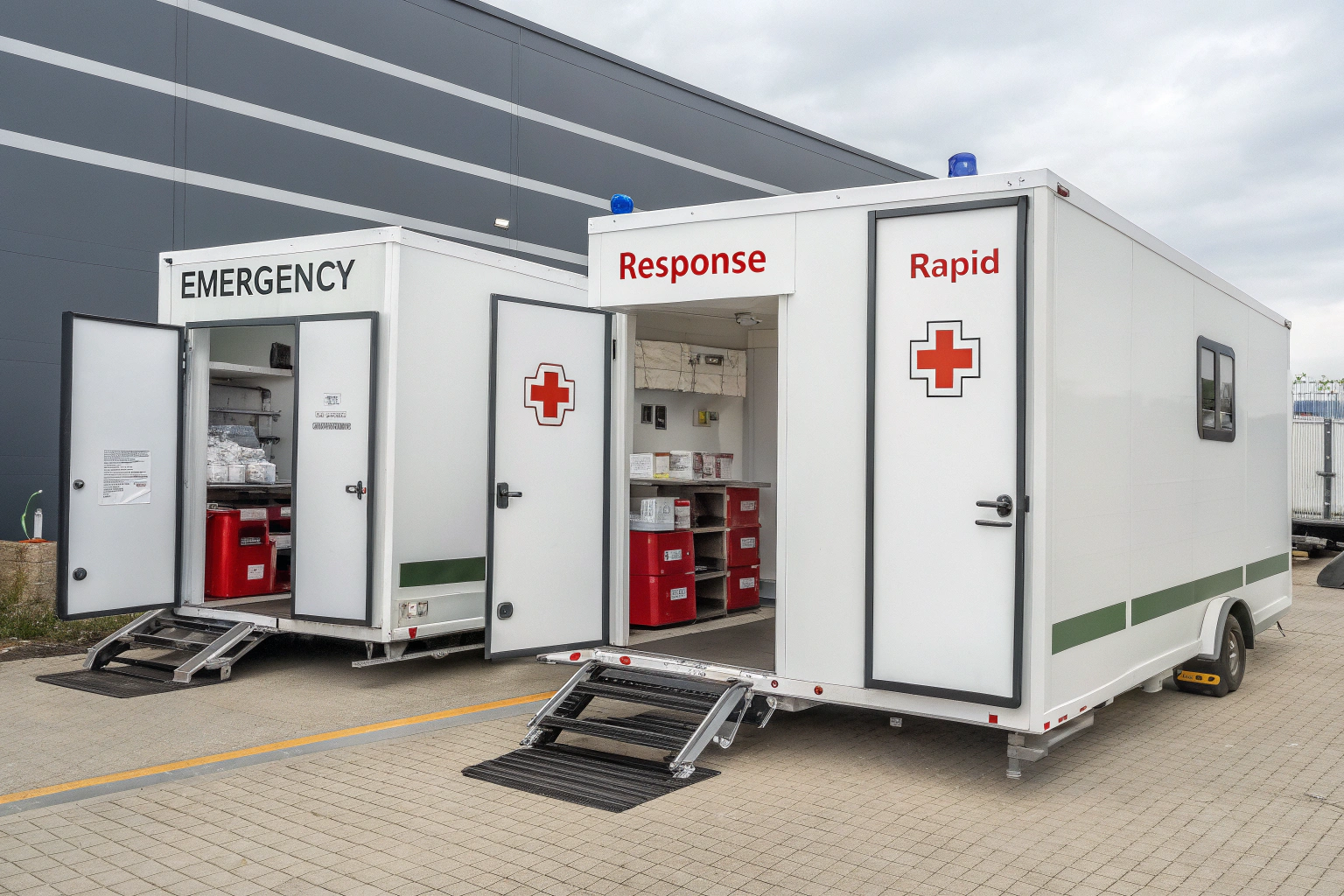
In critical moments, preparation and speed make all the difference. Emergency trailers play a vital role in supporting first responders, disaster relief teams, construction crews, and municipalities that need dependable mobile solutions. These units are designed to move quickly, deploy efficiently, and operate reliably in demanding environments.
Organizations today face unpredictable challenges from natural disasters to infrastructure failures and having the right mobile support equipment is no longer optional. Emergency trailers provide the flexibility, durability, and performance required to maintain operations when conditions are at their toughest.
Traditional fixed facilities cannot always meet urgent field needs. When situations change rapidly, teams require mobile units that can be transported and set up without delay.
Emergency trailers help by:
Supporting rapid field deployment
Providing sanitation and operational support
Maintaining hygiene and safety standards
Reducing downtime during emergencies
Improving response efficiency for teams
From disaster zones to remote job sites, these trailers serve as reliable mobile infrastructure when permanent facilities are unavailable or damaged.
Time pressure is one of the biggest challenges during emergencies. High-quality emergency trailers are engineered for fast setup so teams can focus on the mission rather than equipment complications.
Key rapid-response features often include:
Quick-connect water and power systems
User-friendly setup design
Road-ready trailer construction
Compact but functional layouts
Clear access points and secure entry
Because of these features, crews can move from arrival to full operation in minimal time, which is essential during disaster relief and emergency response scenarios.
Emergency environments are rarely predictable. Equipment must function in heat, cold, dust, mud, and heavy use. Reliable emergency trailers are constructed with durability as a core priority.
High-performance units typically include:
Reinforced steel frames
Weather-resistant exterior materials
Insulated interiors
Heavy-duty plumbing systems
Secure locking mechanisms
These elements help ensure the trailer continues operating even when conditions become challenging. For municipalities and emergency planners, this reliability reduces risk and improves preparedness.
One of the biggest advantages of emergency trailers is their flexibility. They serve a wide range of sectors that require mobile, dependable support.
Emergency trailers provide immediate sanitation and operational support in areas affected by floods, storms, fires, or other crises. Rapid deployment helps relief teams assist communities faster.
Large job sites often need temporary facilities that can move as the project progresses. Mobile trailers keep crews productive while maintaining hygiene standards.
Cities and counties rely on emergency trailers for planned events, backup preparedness, and public works operations.
From energy projects to rural initiatives, remote teams benefit from mobile units that bring essential services directly to the site.
While durability is critical, user comfort also matters. Modern emergency trailers are designed to create clean, functional environments that support both workers and the public.
Common comfort-focused features include:
Climate control options
Proper ventilation
Easy-clean interior surfaces
Adequate lighting
Efficient space layouts
These details help maintain usability during long deployments and improve the overall experience for users in the field.
Not every operation has the same requirements. Leading manufacturers offer customization options that allow organizations to configure trailers for specific missions.
Customization may include:
ADA-accessible layouts
Solar power packages
Additional water capacity
Branding and exterior graphics
Specialized interior configurations
Custom builds help agencies and companies match their equipment precisely to operational demands rather than relying on one-size-fits-all solutions.
Selecting the right unit requires careful evaluation of your operational needs. Before investing, organizations should consider:
Expected deployment environments
Frequency of transport
Required capacity
Utility access (water and power)
Maintenance requirements
Compliance standards
Working with an experienced manufacturer ensures the trailer will perform as expected in real-world conditions.
Although lower-cost options may seem appealing initially, well-built emergency trailers provide better long-term value. Durable materials, smart plumbing design, and reliable components reduce maintenance costs and downtime over the life of the unit.
Organizations that invest in quality equipment typically benefit from:
Longer service life
Fewer repairs
Better field performance
Improved team efficiency
Stronger return on investment
Emergency trailers have become essential tools for organizations that must respond quickly and operate reliably in unpredictable environments. With rapid deployment capabilities, rugged construction, and flexible configurations, these mobile units support teams when and where they are needed most.
Choosing a well-designed emergency trailer means investing in preparedness, operational continuity, and dependable field performance. In high-pressure situations, the right equipment is not just helpful, it is mission-critical.
Ready to upgrade your fleet with Emergency Trailers Built for Rapid Response and Reliability? Contact White Mountain Trailers today to discuss custom solutions designed to perform when every minute counts.


